



Croatia is a victim of its own success. The stunning Adriatic coastline, historic cities, and breathtaking national parks are attracting visitors in record numbers. But this boom has a downside: overtourism is turning dream trips into a test of patience.
1. Dubrovnik's Old Town
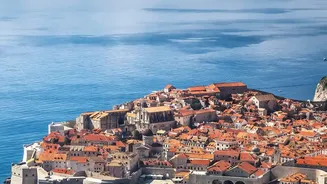
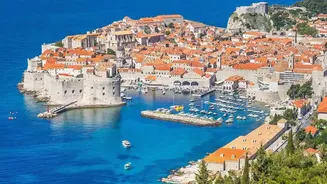
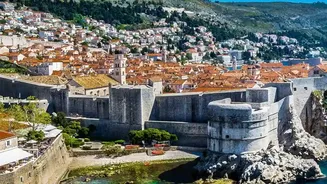
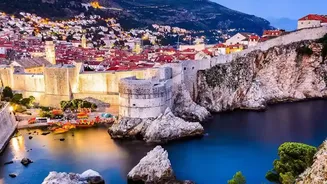
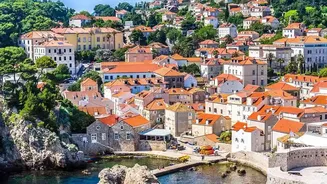
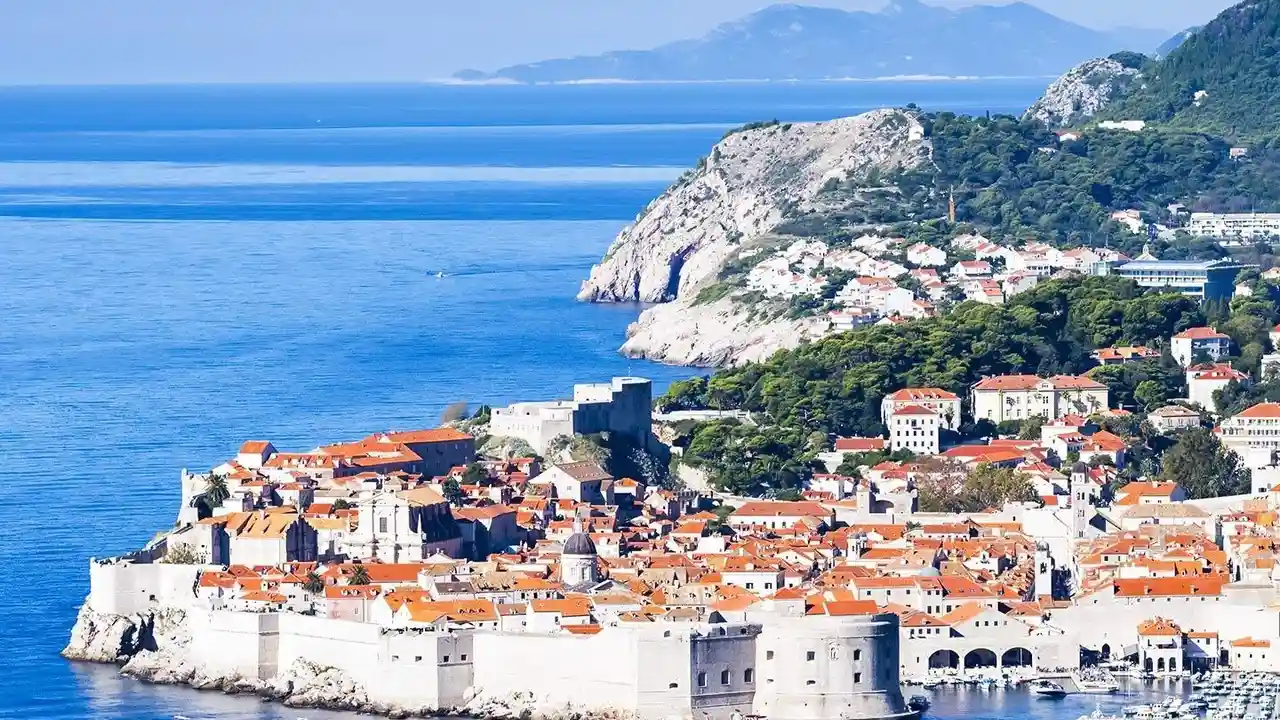
Dubbed the 'Pearl of the Adriatic', Dubrovnik's walled city is magnificent. It's also Europe's most overcrowded destination, with reports of up to 27 tourists for every resident. The 'Game of Thrones' effect and a constant stream of cruise ship passengers mean the main street, Stradun, and the iconic city walls can feel overwhelmingly congested. From mid-morning until late afternoon, especially between June and August, navigating the narrow limestone streets becomes a slow shuffle. To truly appreciate its beauty, you have to visit before 9 a.m. or after 6 p.m., when the day-trippers have departed and a calmer atmosphere returns.
2. Plitvice Lakes National Park
This UNESCO World Heritage site is a natural masterpiece, a series of 16 terraced lakes connected by spectacular waterfalls. Unfortunately, its beauty is no secret. During peak season, the experience can be defined by queues — first a long wait to buy a ticket, and then a slow-moving line along the narrow wooden boardwalks that crisscross the water. The park's unique proximity to the falls is its main draw, but this also creates bottlenecks where people stop for photos, causing jams. To escape the worst of the crowds that descend between 10 a.m. and 3 p.m., experts advise arriving at the opening time of 7 a.m. or visiting later in the afternoon.
3. Split's Diocletian's Palace
Unlike a traditional museum, Diocletian's Palace is the living, breathing heart of Split, a 1,700-year-old Roman complex with homes, bars, and shops packed within its ancient walls. This unique setup means it's always open and free to wander, but it also means the central Peristyle square and the narrow surrounding alleyways become intensely crowded. Between 10 a.m. and 4 p.m., the area is flooded with tour groups and cruise passengers, making it hard to appreciate the grandeur of one of the world's best-preserved Roman monuments. A visit before 9 a.m. offers a completely different, more magical experience.
4. Hvar Town
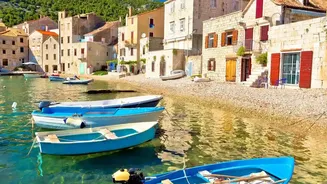
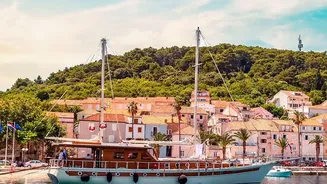
Hvar has a dual identity: a stunningly beautiful island of lavender fields and quiet coves, and a glamorous party destination. In July and August, Hvar Town becomes the epicentre of the latter. The picturesque harbour and Venetian-era squares get swamped with young travellers, leading to crowded restaurants and a constant buzz that can feel overwhelming. The town has even introduced fines for public drinking and walking shirtless in an attempt to manage the 'party tourism' reputation. For a calmer experience, travellers are often advised to stay in other island towns like Stari Grad or visit during the shoulder seasons of May, June, or September.
5. Krka National Park
Often seen as an alternative to the more famous Plitvice Lakes, Krka National Park has become a major attraction in its own right. Famous for the Skradinski Buk waterfall, the park can see up to 10,000 visitors a day. Though a swimming ban was introduced in 2021 to protect the fragile ecosystem, the main viewing areas and pathways still get uncomfortably busy, particularly when tour buses arrive mid-morning. Ferries to the main waterfall can be jammed, and the circular wooden walkway often becomes a slow-moving procession. Arriving early in the morning or exploring the less-visited northern sections of the park, like Roški Slap, can offer a more peaceful encounter with its natural beauty.