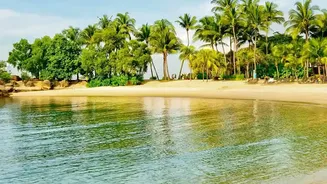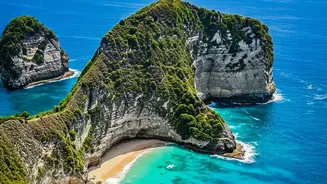




The Allure of the Underwater World
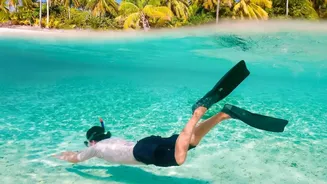
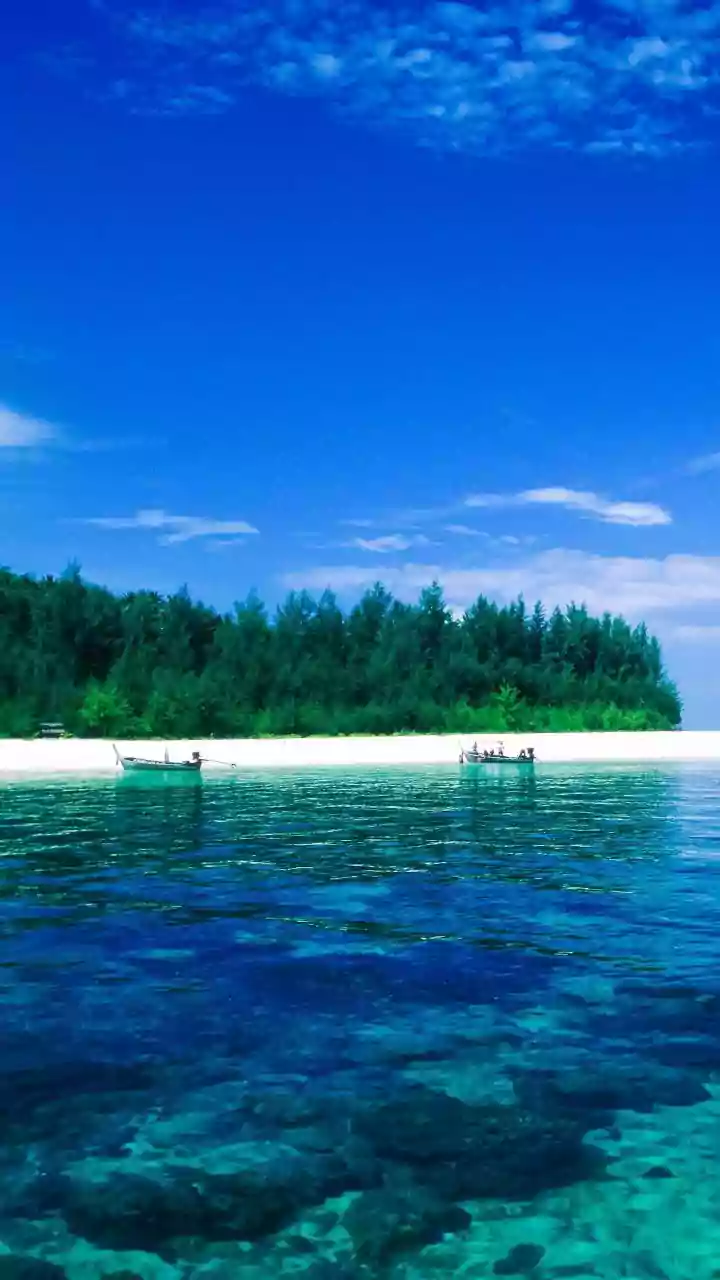
Imagine floating effortlessly in gin-clear, turquoise water, the only sound being your own steady breathing. Below, a kaleidoscope of coral gardens teems with life: clownfish dart between anemones, majestic sea turtles glide by, and vast schools of fish move
as one. This is the snorkelling experience in Indonesia's premier locations, from the world-renowned biodiversity of Raja Ampat to the tranquil bays of the Gili Islands and the protected waters of Wakatobi National Park. These areas, often referred to as the 'Amazon of the Ocean', are at the heart of the Coral Triangle, boasting up to 75% of the world's known coral species. Travellers are increasingly drawn to these pristine environments, not just for a holiday, but for an immersive natural encounter that feels a world away from the hustle and bustle of everyday life.
The High-Adrenaline Alternative
Contrast this with the scene at many of Indonesia's more developed beach hubs. In places like Tanjung Benoa and parts of Kuta and Nusa Dua in Bali, the shoreline is a hub of high-energy watersports. Here, the main attraction is the adrenaline rush of a jet ski, speeding across the waves against a backdrop of luxury resorts. These zones cater to a different kind of tourist: one seeking high-octane thrills and easily accessible fun. While popular, these areas are often characterized by noise, crowds, and a constant churn of activity that stands in stark opposition to the quiet contemplation offered by snorkelling in more remote lagoons. For many, the choice is between a momentary thrill and a lasting memory.
A Tale of Two Impacts
The divergence between these two activities goes far beyond the noise levels. Motorised watersports like jet-skiing come with significant environmental concerns. Their ability to operate in shallow waters poses a direct threat to fragile marine ecosystems like coral reefs and seagrass beds. Noise pollution can disturb wildlife, while sediment churned up by the engines can smother corals by blocking essential sunlight. Even the act of accessing these areas can cause damage, with anchors dropped carelessly on living reefs. Responsible snorkelling, on the other hand, is designed to be a low-impact activity. In protected marine areas like those in Raja Ampat or Komodo National Park, strict guidelines are in place to preserve the environment, ensuring that the main interaction is one of observation, not disruption.
The Rise of the Conscious Traveller
The growing preference for snorkelling reflects a wider shift in global travel trends. Today's travellers, particularly younger generations, are increasingly environmentally and socially conscious. There's a growing desire for authentic experiences that connect with local culture and nature in a sustainable way. Indonesia's sustainable tourism sector is projected to grow significantly, driven by this demand for eco-friendly experiences. This shift means moving away from mass-market, high-impact tourism towards models that prioritize conservation and community benefit. Travellers are no longer just asking 'where to go', but 'how to go' in a way that respects and preserves the destination for future generations.
Finding Your Quiet Paradise
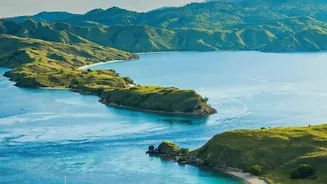
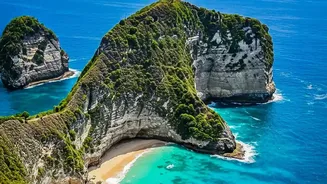
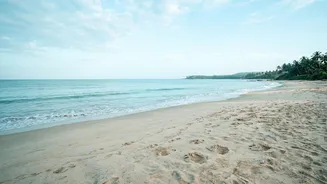
For those seeking the quiet magic of Indonesia's underwater world, the options are plentiful. Instead of heading to the busiest beaches in southern Bali, consider alternatives. The east coast of Bali, in areas like Amed, offers a more relaxed pace with excellent snorkelling just off the beach. A short boat ride away, the Nusa and Gili Islands provide a mix of calm lagoons and the chance to swim with manta rays and turtles. For the ultimate experience, venturing further to places like Lombok, Komodo, or the unparalleled Raja Ampat reveals coastlines that remain pristine, quiet, and breathtakingly beautiful. Choosing these destinations isn't just about avoiding crowds; it's about actively choosing a form of tourism that ensures Indonesia's natural treasures continue to shine.