




More Than Just a Day Out
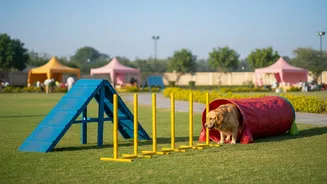
Large-scale pet festivals are becoming a celebrated fixture in Indian cities, and for good reason. Imagine a sprawling ground filled with agility courses, grooming stalls, veterinary pop-up clinics, and an array of pet products. These carnivals are designed
to be a one-stop destination for pet parents. For owners, it’s a rare opportunity to connect with a larger community, swapping tips and stories with fellow enthusiasts. Events like these enhance the bond between humans and their animals by providing a space for shared experiences and activities that go beyond the daily walk. They offer a controlled, safe environment for pets to socialize, which is crucial for developing positive behaviors and reducing anxiety, especially for those living in apartments.
A Lifeline for Adoption Services
For animal adoption services and shelters, a mega carnival is an invaluable platform. Organizations like Help in Suffering and People for Animals (PFA) in Jaipur work tirelessly, but often face challenges with funding and visibility. An event that draws thousands of animal lovers provides a massive spotlight for their cause. These festivals regularly host adoption drives, which have proven to be incredibly successful, sometimes setting records for the number of adoptions in a single day. By showcasing rescued puppies and adult dogs in a happy, lively setting, shelters can counter the stigma associated with strays and encourage the 'adopt, don't shop' philosophy. It helps numerous animals find loving homes and publicizes the ongoing work of local rescue groups.
A New Blueprint for City Planners
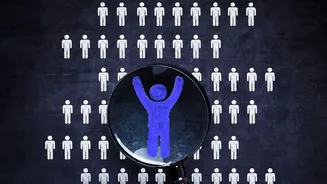
Perhaps the most overlooked impact of a pet carnival is what it reveals to city planners. As India's urban pet population booms, cities are struggling to keep up. A large gathering of pet owners provides a real-time data snapshot of a city's pet community. It highlights the growing demand for pet-friendly infrastructure, such as designated parks, waste disposal systems, and accessible public spaces. The success of such an event can push municipal bodies to think more critically about integrating animals into urban life, moving beyond seeing street dogs merely as a problem to be managed. It frames pet ownership as a significant community trend, creating what urban planners call "third spaces"—informal grounds where neighbourhood trust and identity are built.
Navigating the Challenges
Despite the overwhelming positives, large pet events come with responsibilities. Animal welfare experts caution that the loud noises and large crowds at a carnival can be stressful for some animals. There's also the risk of impulse adoptions—people getting a pet without fully understanding the long-term commitment. To mitigate this, reputable adoption agencies conduct thorough screenings. Organizers must prioritize safety with clear rules, ample water stations, shaded rest areas, and on-site veterinary support. The focus should always remain on the well-being of the animals, ensuring the event is a celebration for them and not just for their human companions.