






More Than Just Fasting
The holy month of Shravan, also known as Sawan, is dedicated to Lord Shiva and is observed with deep reverence. In 2026, it begins around July 30th for North India. While many devotees observe fasts, especially on Mondays (Somvar), the dietary practices
of this period are rooted in a profound understanding of the body and the environment. It’s not merely about restriction; it's about aligning our internal system with the external world during the monsoon, a season when the body’s digestive fire, or 'agni', is considered to be at its weakest according to Ayurveda. The Shravan diet is designed to be light, purifying, and easy to digest, helping to detoxify the body and sharpen the mind.
The Philosophy of 'Sattvic' Eating
At the heart of the Shravan diet is the 'sattvic' philosophy. In Ayurveda, foods are categorized into three 'gunas' or qualities: sattva (purity, harmony), rajas (passion, action), and tamas (dullness, inertia). A sattvic diet promotes clarity, calmness, and vitality. It consists of fresh, light, and nourishing foods like fruits, vegetables, dairy products, nuts, seeds, and certain whole grains. Conversely, it avoids 'rajasic' and 'tamasic' foods. This is why meat, eggs, alcohol, and even certain vegetables like onion and garlic are excluded. Onion and garlic are considered 'rajasic', meaning they are believed to overstimulate the senses and disrupt the calm needed for spiritual practices. Following a sattvic diet is believed to purify not just the body but also the mind.
Monsoon's Nutritional Wisdom
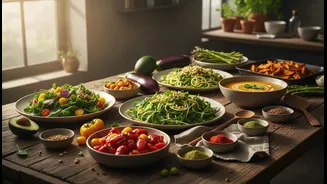
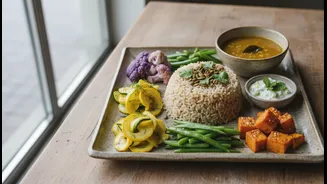
The dietary rules of Shravan are incredibly practical for the monsoon season. This is a time when humidity is high, and the risk of water-borne infections increases. The body's digestive power is naturally weaker, making it harder to process heavy foods. The Shravan plate elegantly addresses this by favouring cooked, warm meals over raw salads, which can be harder to digest and carry a higher risk of contaminants. Avoiding meat and heavy, oily foods gives the digestive system a much-needed rest, preventing issues like bloating and indigestion. The diet's emphasis on light, easily digestible foods is a form of preventative healthcare, helping to boost immunity when the body is most vulnerable.
Stars of the Shravan Plate
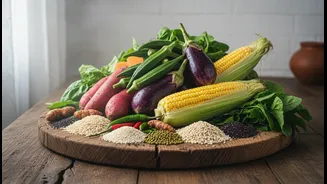
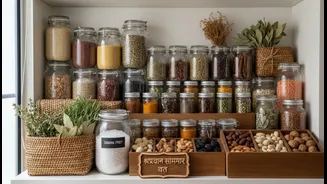
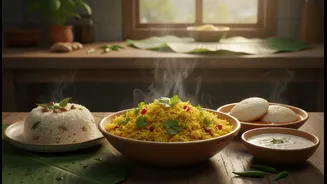
Despite the restrictions, the Shravan kitchen is full of creativity and delicious options. The stars of the show are often the special 'vrat' (fasting) flours. Kuttu ka atta (buckwheat flour), singhare ka atta (water chestnut flour), rajgira (amaranth flour), and samak ke chawal (barnyard millet) replace regular grains like wheat and rice. These pseudo-cereals are not only gluten-free but also packed with nutrients. Buckwheat flour, for instance, is rich in protein and fibre, providing sustained energy. Water chestnut flour is known for its cooling properties and is rich in potassium. Sabudana (tapioca pearls) is another fasting favourite, transformed into comforting khichdi or crispy vadas. These ingredients form the base of a diverse and satisfying culinary repertoire.
Simplicity Meets Flavour
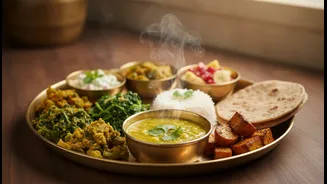
The idea that fasting food is bland is a common misconception. The Shravan plate masterfully proves that simplicity can be incredibly flavourful. Without onion and garlic, the flavour profile shifts towards other aromatics. Spices like cumin, ginger, green chillies, and black pepper take centre stage, often complemented by the tang of tomatoes or lemon juice. Sendha namak (rock salt) is used instead of regular table salt. Fresh herbs like coriander add a final touch of brightness. The focus is on letting the natural taste of the fresh, seasonal ingredients shine through. This approach results in meals that are not only spiritually pure and nutritionally sound but also a genuine delight for the taste buds.