





Decoding 'Detox Energy'
First, let's clear up the buzzword. The concept of a food “detoxifying” you is a myth; your liver and kidneys are your body's master detoxification system. What foods can do is provide the essential nutrients—vitamins, minerals, and antioxidants—that
these organs need to function optimally. So, when we talk about “detox energy,” we’re really talking about nourishing your body to support its own natural cleansing processes, leading to better energy levels and overall vitality. It’s not about a quick fix, but about consistent, supportive eating.
The Living Power of Sprouts
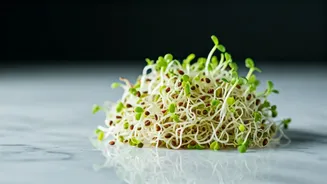
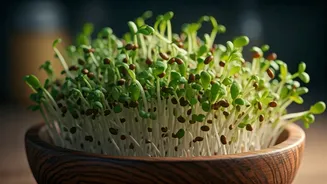
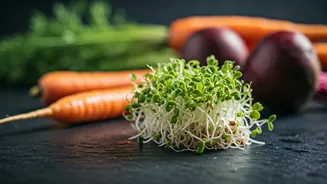
Sprouts are essentially baby plants at their peak nutritional moment. The process of germination unlocks and multiplies nutrients, making them easier for our bodies to absorb. They are bursting with enzymes, which aid digestion, and their protein content is often more bioavailable than in the dormant seed. Think of them as concentrated little bundles of life. Adding a handful of sprouts to your meal is one of the easiest ways to boost its nutritional profile, providing fiber, vitamins C and K, and a host of antioxidants without adding significant calories.
Sprout Spotlight: Mung and Fenugreek
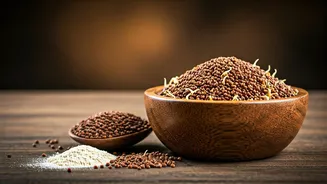
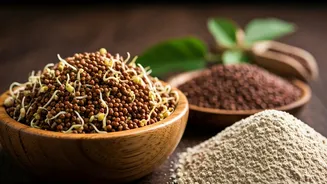
Mung bean (moong) sprouts are a staple in many Indian households for a reason. They are an excellent source of plant-based protein, dietary fiber that supports digestive health, and antioxidants that help combat cellular stress. They are incredibly versatile and can be eaten raw in salads, lightly cooked in subzis, or added to dals. Fenugreek (methi) sprouts, with their distinct bitter taste, are nutritional powerhouses. They are known for helping manage blood sugar levels and are rich in iron and saponins, compounds that aid in healthy cholesterol management.
The Groundwork: Why Root Vegetables Matter
Root vegetables are the storage organs of plants, diligently stockpiling energy and nutrients from the soil. This makes them incredibly dense in vitamins, minerals, and complex carbohydrates. Unlike simple carbs that cause energy spikes and crashes, the complex carbs in roots provide slow-release, sustained energy. Furthermore, their high fiber content is crucial for gut health, feeding beneficial bacteria and ensuring smooth digestion—a key part of your body's waste-removal system.
Root Stars: Beetroot and Turmeric
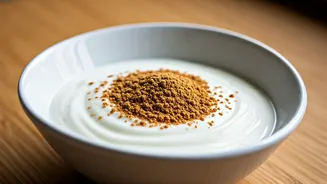
Beetroot is famous for its vibrant colour, which comes from antioxidants called betalains. It's also rich in dietary nitrates, which the body converts into nitric oxide. This molecule helps relax and dilate blood vessels, improving blood flow, lowering blood pressure, and enhancing physical stamina. Raw turmeric root is another star. Its active compound, curcumin, is a potent anti-inflammatory and antioxidant. While dried turmeric powder is a kitchen essential, fresh turmeric root provides curcumin in a more wholesome form, best absorbed when consumed with a pinch of black pepper and a healthy fat.
Easy Ways to Get Your Fill
Incorporating these foods doesn't require a complete diet overhaul. Start simple. Add a handful of mixed sprouts to your kachumber salad or use them as a crunchy topping for poha. Make a simple beetroot and carrot soup for a comforting dinner. Grate fresh turmeric and ginger into your morning tea or warm milk. Roast a batch of sweet potatoes, carrots, and radishes with a drizzle of oil and your favourite spices for a perfect side dish. The key is consistency. By making these vibrant, earthy foods a regular part of your meals, you provide your body with the tools it needs to feel truly energised and well.