







What is the 'Changing Food Basket'?
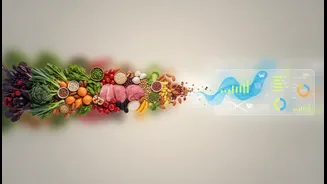
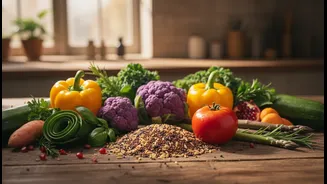
For generations, the Indian diet was built around cereals like rice and wheat. Today, that foundation is shifting. Per-capita consumption of cereals is declining, while intake of fruits, vegetables, dairy, and animal products is on the rise. This change
is driven by growing urbanisation, rising incomes, and greater exposure to different food cultures. Alongside this move towards diversity, however, is an alarming surge in the consumption of processed and ultra-processed foods. Packaged snacks, sugary drinks, and ready-to-eat meals are becoming staples, particularly in urban households, fundamentally altering the nutritional landscape. An average Indian household now gets more calories from processed foods than from fruits.
The Double-Edged Sword of Affordability
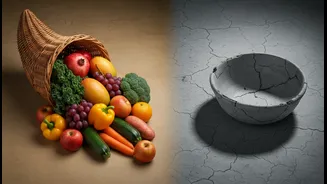
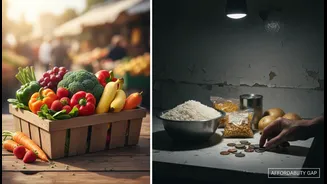
While a more varied diet sounds like progress, it comes with a major catch: cost. The reality is that a truly nutritious and diverse diet is unaffordable for a vast section of the population. Studies suggest that over three-quarters of Indians cannot afford a diet that meets the recommended standards for nutrient adequacy. Foods high in fat, sugar, and salt are often cheap, convenient, and aggressively marketed, making them an easy choice for many. In contrast, nutrient-dense foods like pulses, fresh vegetables, and fruits have become significant drivers of food inflation, placing them out of reach for lower-income families. This creates a stark nutritional divide, where economic status increasingly dictates the quality of one's diet.
A Crisis of Diet Quality
The changing food basket has led to what many experts call a triple burden of malnutrition: the coexistence of undernutrition, obesity, and micronutrient deficiencies. While calorie consumption may be adequate for many, the quality is often poor. The average Indian plate is heavily skewed towards cereals and fats, with a critical lack of protein-rich foods like pulses and nutrient-dense fruits and vegetables. Even wealthier households often fail to consume enough protein. This imbalance is a major contributor to the rise of non-communicable diseases (NCDs) like diabetes, hypertension, and heart disease, with unhealthy diets now linked to over half of India's total disease burden.
The Specter of 'Hidden Hunger'
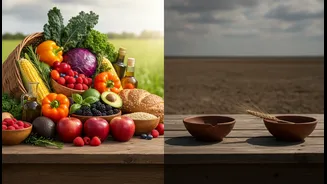
Perhaps the most insidious consequence of this dietary shift is the rise of 'hidden hunger'. This refers to a deficiency in essential vitamins and minerals, a condition that can exist even when a person consumes enough calories to feel full. It’s a silent crisis, affecting a staggering proportion of the population—some estimates suggest over 80% suffer from at least one micronutrient deficiency. Widespread anaemia, particularly among women and children, is one of its most visible symptoms. According to the National Family Health Survey-5 (NFHS-5), 57% of women and 67% of young children are anaemic. This lack of essential nutrients like iron, vitamin A, and zinc impairs cognitive development, weakens immunity, and reduces productivity, trapping millions in a cycle of poor health.