

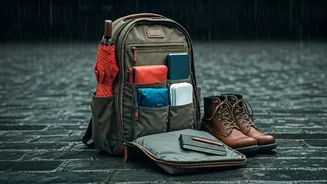



The Non-Negotiable Rain Cover
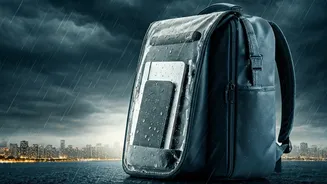
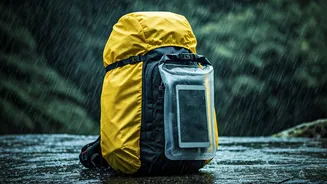
This is your first and most important line of defence. While many backpacks claim to be 'water-resistant', a relentless Indian downpour will find its way through seams and zippers. A dedicated rain cover is a lightweight, packable, and affordable solution
that provides a waterproof shield over your entire bag. Most are designed with an elasticated edge to fit snugly over different sizes. When buying one, look for a cover with a buckle or strap that fastens around the back to prevent it from flying off in a gust of wind. Keep it in an outer pocket for quick deployment the moment you feel the first drops of rain.
Internal Defence with Dry Bags
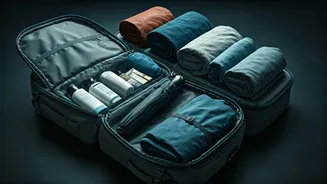
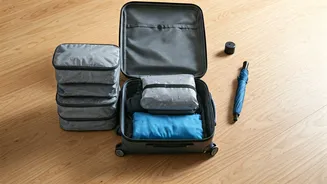
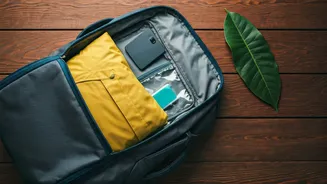
Think of this as insurance for your most valuable items. A rain cover protects the outside, but what if water seeps in while you're fumbling to get it on? Dry bags are roll-top, waterproof sacks that create a sealed environment inside your backpack. Use a larger one for your laptop and documents, and smaller ones for clothes or other electronics. This compartmentalisation not only keeps things dry but also helps in organising your bag. Even if your backpack gets completely soaked, the contents inside your dry bags will remain perfectly safe and untouched by moisture.
Protect Your Gadgets with Waterproof Pouches
Your phone, wallet, and portable charger are often the items you need to access most frequently, making them vulnerable to rain. A small, transparent waterproof pouch is a game-changer. These pouches allow you to use your phone's touchscreen even while it's sealed inside, so you can reply to a message or check maps without exposing it to the elements. They are inexpensive, take up almost no space, and can be worn around your neck or stowed in an easily accessible pocket. It's a simple investment that can save you from a very expensive repair.
The Versatile Ziplock Bag
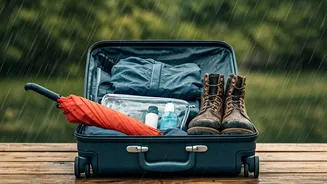
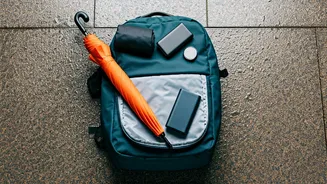
Never underestimate the power of the humble ziplock bag. While not as durable as a dedicated dry bag, they are incredibly useful for smaller items and are practically free. Use them to protect your charging cables, earphones, keys, or a small notebook. You can even double-bag items for extra protection. They are also perfect for isolating anything that is already wet—like a small, dripping umbrella—from the dry contents of your backpack. Keep a handful of different sizes folded flat at the bottom of your bag; you’ll be surprised how often they come in handy.
Add a Quick-Dry Microfiber Towel
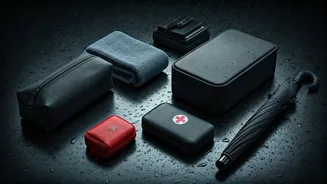
Getting caught in the rain isn't just about your belongings; it's about you, too. A small, quick-dry microfiber towel is a brilliant addition to your monsoon backpack. It’s super absorbent, allowing you to quickly dry your face, hands, or even a drenched phone screen before stepping into a meeting or your home. Unlike a traditional cotton towel, it’s incredibly lightweight, packs down to almost nothing, and dries fast enough to be put back in your bag without making everything else damp and musty. This small touch of comfort can make a huge difference on a soggy day.
Silica Gel Packets for Residual Moisture
You know those little white packets that come in new shoe boxes? Don't throw them away. Silica gel is a desiccant, meaning it absorbs moisture from the air. Tossing a few of these into the bottom of your backpack, particularly in the laptop compartment, can help combat the residual dampness and musty smells that are common during the monsoon. They work quietly in the background to protect your electronics and books from the slow-creep of humidity, preventing fungus and mildew from forming inside your bag.