







The Renewed Push for Cleaner Kitchens
Across India, from metropolitan hubs like Bengaluru and Delhi to other major cities, food safety authorities are intensifying their oversight of restaurants. In August 2026, special teams in Karnataka began conducting surprise inspections of hotels and eateries
following a rise in public complaints about poor hygiene and food quality. This is not an isolated event. Recent drives have uncovered significant violations even in high-end, 3-star and 5-star hotels, where inspectors have found expired ingredients, rotten meat, and fungal growth on vegetables. These actions are part of a broader effort by bodies like the Food Safety and Standards Authority of India (FSSAI) and municipal corporations to enforce existing regulations and ensure public health is not compromised by unsafe kitchen practices.
Inside the Inspector's Checklist
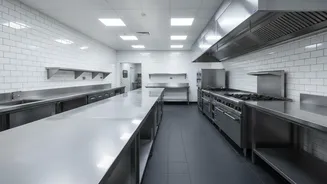
When food safety officers enter a kitchen, they follow a detailed checklist designed to spot public health risks. Key areas of focus include proper food storage to prevent cross-contamination, especially separating raw meat from ready-to-eat items. They check that food is held at the correct temperatures—cold foods below 5°C and hot foods above 60°C—to prevent bacterial growth. Personal hygiene of staff is also critical; inspectors look for clean uniforms, proper hand-washing practices, and the absence of jewellery. Other major points include pest control measures, proper waste disposal, the cleanliness of utensils and surfaces, and ensuring the establishment has a valid FSSAI license.
Common Violations Uncovered
Recent inspections have revealed a troubling pattern of common violations. In Bengaluru, officials seized over 132 kg of food items during a three-day drive, flagging issues like improper storage, expired products, and unhygienic handling conditions. Similar raids in Hyderabad uncovered stale food, cockroach infestations, and rat droppings. Some of the most frequent problems found nationwide include the reuse of cooking oil beyond safe limits, incorrect labelling of food products, and a general lack of sanitation in food preparation areas. Even luxury hotels have not been immune, with inspections revealing expired milk and improperly stored meat. These findings highlight that a restaurant's price point is not always an indicator of its hygiene standards.
Empowering the Diner: How to Be Informed
While authorities are stepping up, consumers also have tools to make safer choices. The FSSAI's 'Hygiene Rating Scheme' is a voluntary programme where restaurants are rated on a scale of one to five based on their hygiene and safety compliance. These ratings are meant to be displayed prominently, allowing diners to make an informed decision before they even enter. For instance, Delhi's municipal corporation is rolling out a new A-to-D grading system modelled on New York City's, making hygiene transparency mandatory. Diners can also look for Food Safety Display Boards, which should be present in licensed eateries. If you suspect violations, you have the right to file a complaint with the local Food Safety Officer.
Beyond Ratings: Using Your Judgment
Official ratings provide a great baseline, but your own observations are invaluable. Pay attention to the overall cleanliness of the restaurant, including the dining area, washrooms, and cutlery. A well-maintained front-of-house can be an indicator of standards throughout the establishment. While asking to see the kitchen is not always practical, you can observe the staff's appearance—are their uniforms clean? Do they follow basic hygiene when handling food? In an era where food delivery is common, check online reviews for mentions of food quality and hygiene, but be mindful of a recent trend where unauthorized influencers have been harassing restaurant staff under the guise of inspections. Trust your instincts; if something feels off, it's better to be cautious and choose another option.