







Why Your Terrace Is a Mosquito Magnet
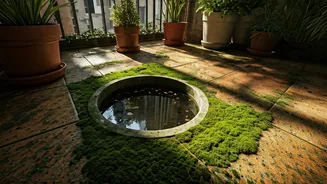
During the monsoon, rainwater is meant to flow off your terrace through drainage pipes. However, these drains often become clogged with leaves, dust, and other debris. Even a small blockage can prevent water from draining completely, leaving behind small,
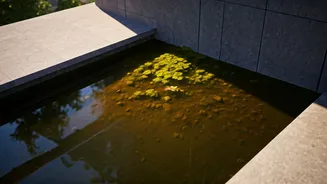
stagnant pools. It only takes a tiny amount of water—as little as a quarter of an inch—to create a perfect nursery for mosquito larvae. These insects, particularly the Aedes aegypti mosquito which spreads dengue, chikungunya, and Zika, thrive in clean, stagnant water sources commonly found around urban homes after rainfall. Because terraces are exposed, they collect rainwater easily, and a poorly maintained drain ensures this water sticks around, creating a persistent and hidden threat right above your head.
The Diseases Lurking in Stagnant Water
The mosquitoes breeding in your terrace drain are not just a nuisance; they are vectors for serious illnesses. In India, the monsoon season consistently sees a spike in mosquito-borne diseases. Dengue is a major concern, causing high fever, severe joint and muscle pain, and in some cases, life-threatening complications. Chikungunya presents similar debilitating symptoms, while malaria, spread by the Anopheles mosquito, also sees a surge thanks to the abundance of stagnant water. The Aedes mosquito, a common resident of urban environments, is particularly effective at spreading disease within homes and high-rise buildings, as it can travel between floors using lifts and stairwells. By allowing water to stagnate on your terrace, you are inadvertently rolling out the welcome mat for these dangerous diseases.
How to Inspect Your Terrace Drains
Checking your drains is a simple task that can have a huge impact. Start by visually inspecting all drainage outlets on your terrace. Look for any visible blockages like fallen leaves, plastic bags, or accumulated silt and mud. Use a flashlight to peer into the drainpipe; a reflection indicates the presence of pooled water, a sure sign of a blockage further down. Pay close attention to the corners of your terrace and any low-lying areas where water naturally gathers. It’s also wise to check after a spell of rain. If you notice water taking a long time to drain or forming puddles around the drain opening, you have an issue that needs immediate attention. A weekly inspection during the monsoon months is a good rule of thumb.
A Step-by-Step Cleaning Guide
Once you've identified a problem, cleaning it is straightforward. First, put on a pair of gloves. Manually remove any large debris from the mouth of the drain. For blockages inside the pipe, you can often use a long stick or a plumber's snake to dislodge the material. After clearing the blockage, flush the drain with a few buckets of water to ensure it is flowing freely. For more thorough cleaning, a mixture of baking soda and vinegar can be poured down the drain, followed by hot water, to break down organic matter and kill any larvae. To prevent future blockages, consider installing a fine mesh screen over the drain opening. This will allow water to pass through while catching leaves and other debris.
Beyond the Terrace: Other Hidden Hotspots
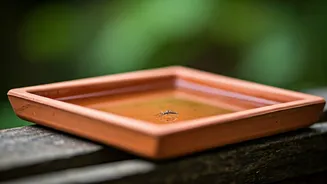
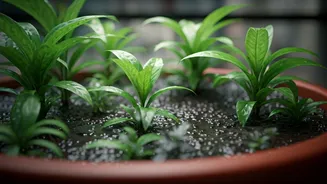
While terrace drains are a major culprit, mosquitoes are resourceful. Expand your search to include other potential breeding grounds around your home. Check the trays under plant pots, which often collect excess water. Inspect overhead tanks to ensure they are securely covered. Any unused containers, old tyres, or children's toys left in the open can collect rainwater and become a breeding site. Inside the house, bathroom drains that are not used frequently can also harbour mosquitoes. Regularly flushing these drains with hot water can prevent larvae from developing. The key is to be vigilant and eliminate all possible sources of stagnant water, no matter how small.