
The Monsoon Moisture Challenge
The Indian monsoon brings welcome relief from the heat, but it creates a high-stakes environment for indoor plants. The air becomes thick with moisture, meaning the soil in your pots stays wet for much longer. This is the number one mistake many plant owners
make: continuing their summer watering schedule. The result is often overwatering, which suffocates roots and can lead to root rot. This period is also a breeding ground for fungal diseases like powdery mildew and pests like fungus gnats, which thrive in damp conditions. The key to monsoon care is to drastically reduce watering. Ditch the schedule and only water after checking the top two inches of soil with your finger; if it feels even slightly moist, wait another day or two. Ensure your pots have excellent drainage and don't let them sit in saucers full of water. Increasing airflow by opening a window can also help combat the effects of high humidity.
Surviving the Summer Scorch
Indian summers, whether the dry heat of the north or the humid heat of the coast, pose another set of threats. Intense sunlight streaming through windows can scorch the leaves of even sun-loving plants, leaving brown, crispy edges. The heat also causes rapid water loss from the soil through evaporation and from the leaves through transpiration. To protect your plants, move them away from direct, harsh afternoon sunlight, especially from south or west-facing windows. You may need to water more frequently than in other seasons, but always check the soil first. Watering early in the morning is most effective, as it allows the plant to absorb moisture before the day's heat peaks and reduces evaporation. For plants that love humidity, like ferns and Calatheas, the dry air produced by air conditioners can be a major issue, so consider misting them or placing them on a pebble tray with water.
Light, Location, and Indian Realities
The quality and intensity of light in India are different from those in many Western countries where most plant care advice originates. A 'bright, indirect light' recommendation needs translation. An east-facing window is often perfect, providing gentle morning sun. A south or west-facing window, however, can be too intense for most of the day, especially in summer. For urban apartments with limited natural light, remember that even 'low-light' plants need some light to survive; a windowless corner is not a permanent home. Another common issue is dust. The dust in Indian homes can quickly coat leaves, blocking light and hindering photosynthesis. Gently wiping the leaves of your plants with a damp cloth every few weeks is a simple but crucial task.
Choosing Plants That Thrive Here
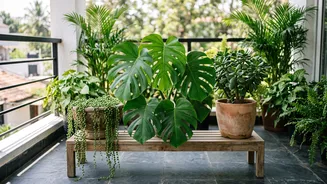
While it's tempting to want every trendy plant seen online, success often comes from choosing species suited to our environment. Many tropical plants naturally thrive in Indian conditions. Hardy, resilient choices are excellent for beginners. The Snake Plant is almost indestructible, tolerating low light and infrequent watering. The Money Plant (Pothos) is another forgiving choice that grows vigorously and can handle a range of conditions. Areca Palms are great for adding a tropical feel and are adept at handling Indian weather. Peace Lilies are also popular as they adapt well to various temperatures and their drooping leaves are a clear sign they need water. These plants are not just beautiful but are also known for their air-purifying qualities, making them a functional and aesthetic addition to your home.