



Defining the Divide: Function First
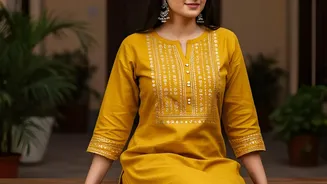
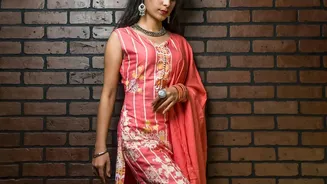
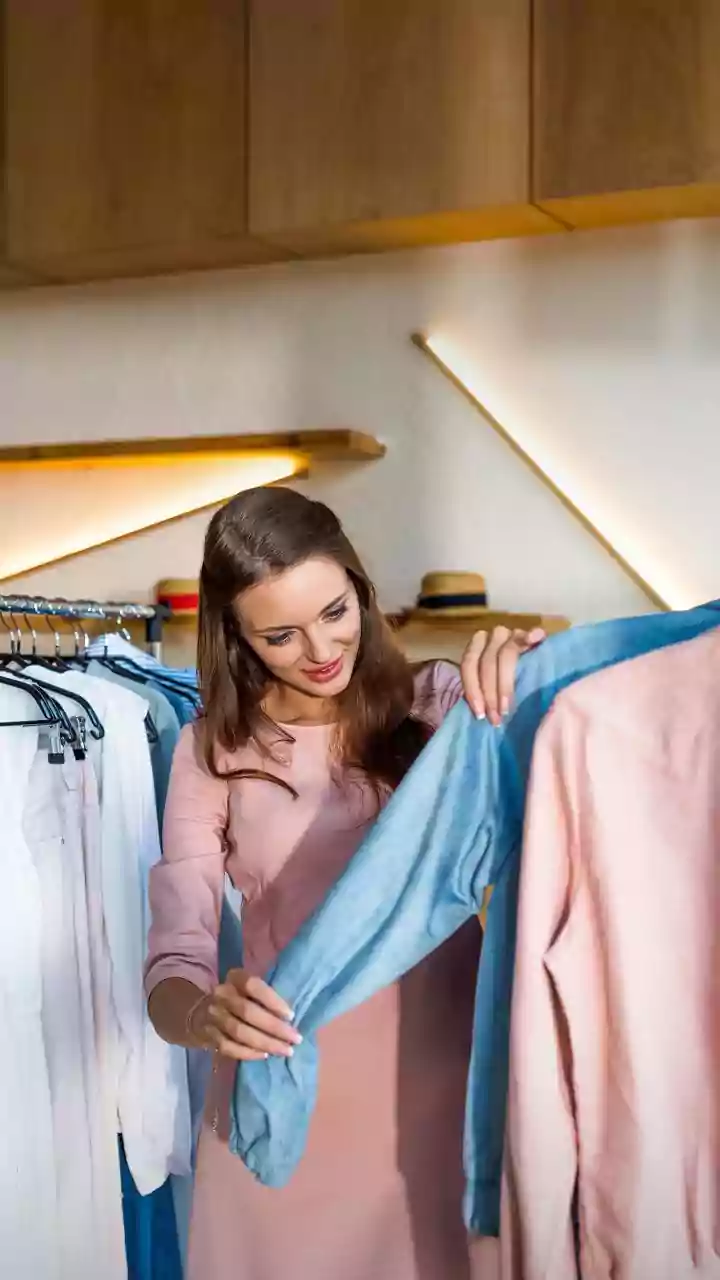
At its core, the difference between occasion wear and everyday ethnic fashion lies in its purpose. Everyday wear is built for comfort, practicality, and repeated use. Think of cotton kurtas, simple salwar sets, and breathable co-ords perfect for the office,
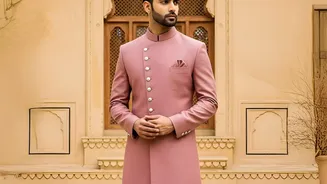
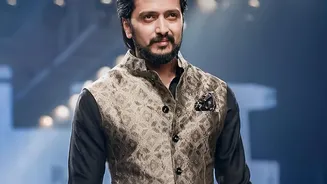
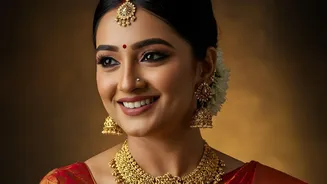
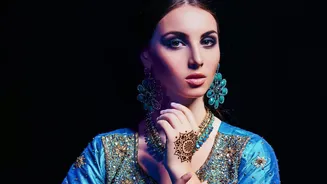
daily errands, or casual gatherings. These are the workhorses of your wardrobe. Occasion wear, on the other hand, is designed to make a statement at specific, significant events like weddings, major festivals, and formal ceremonies. These are your investment pieces—the lehengas, heavy Anarkalis, and silk sarees that are worn less frequently but carry more visual and emotional weight. The primary goal isn't daily comfort; it's celebration and glamour.
The Tale of the Textiles
Fabric is often the most immediate giveaway. Everyday ethnic fashion prioritises breathable, easy-to-maintain materials. Cotton is the undisputed king here, loved for its ability to handle heat and humidity, making it ideal for daily life in India. You'll also find linen, rayon, and comfortable blends that are soft, lightweight, and durable enough for frequent washing. Occasion wear leans into luxury and visual richness. This is the realm of heavy silks like Banarasi and Kanjivaram, structured organza, rich velvets, and fluid georgettes or chiffons. These fabrics offer a superior drape, a natural sheen, and a sense of formality that cotton simply cannot replicate. They communicate that the event is special before a single embellishment is even added.
Workmanship and Embellishment
How a garment is decorated is another crucial point of difference. Everyday pieces typically feature simpler, more integrated designs like handblock prints, subtle threadwork, or screen prints. The focus is on colour and pattern rather than heavy surface ornamentation. The craftsmanship is still present, but it's executed in a way that supports practicality and comfort. Occasion wear is where Indian artistry truly shines through elaborate embellishments. This includes opulent Zardozi using metallic threads, intricate mirror work, and dense Resham embroidery done in silk. These techniques are labour-intensive and add significant weight and cost to the garment, making them unsuitable for daily wear but perfect for creating a memorable, high-impact look for a special day.
Silhouette and Structure
Silhouettes in everyday ethnic wear are generally relaxed and functional. Straight-cut kurtas, A-line tunics, and comfortable salwar or palazzo pants are popular choices because they allow for ease of movement. The designs are streamlined for a life in motion. In contrast, occasion wear often features more dramatic and structured silhouettes. Think of the voluminous flare of a lehenga skirt, the floor-sweeping grace of a formal Anarkali, or the regal drape of a heavily bordered saree. These shapes are designed to create a powerful visual statement, prioritising grandeur over the practicalities of a regular workday.
Cost and Investment
Naturally, these differences in materials and craftsmanship are reflected in the price. Everyday ethnic wear is designed to be accessible and affordable, allowing you to build a varied collection without a massive financial outlay. The focus is on value, durability, and a low 'cost-per-wear'. Occasion wear is an investment. The high-quality materials and hours of skilled labour mean these pieces are significantly more expensive. They aren't impulse buys but rather considered purchases for milestone events. While you'll wear them less often, these are the heritage pieces you'll treasure for years, and their value is measured in memories as much as in rupees.