
A Shift in How We Travel
The conversation around travel is changing. It's no longer just about ticking boxes off a bucket list. Influential publications are now considering the impacts of overtourism, from environmental strain to the displacement of local residents. For instance,
Fodor's recently published its 'No List' for 2027, which flags destinations worldwide where tourism pressures are becoming unsustainable. While no Canadian locations made this year's list of places to avoid, the underlying principle is clear: travellers should think more deeply about their impact. This has led to a broader reassessment of where we go and why, steering people toward places that offer more authentic experiences without the crushing crowds. The goal isn't to boycott popular spots, but to spread the love and discover the incredible depth Canada has to offer beyond the usual suspects.
Beyond Banff: The Rockies Reconsidered
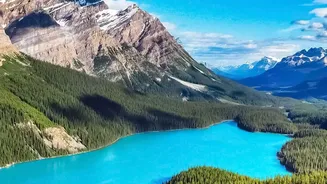
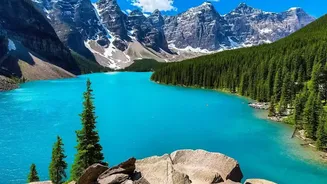
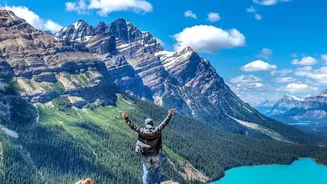
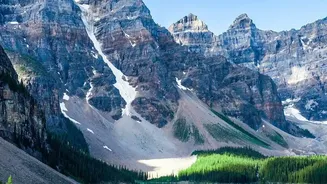
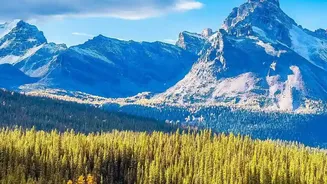
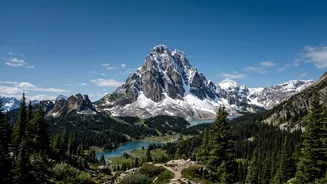
Banff National Park is, for many, the crown jewel of the Canadian Rockies, with its turquoise lakes and majestic peaks. However, its immense popularity has led to significant crowds, traffic congestion, and the need for shuttle reservations months in advance just to see iconic spots like Moraine Lake. Travel writers and savvy locals suggest looking just next door. Yoho National Park in British Columbia offers similarly stunning Rocky Mountain scenery, including the vibrant Emerald Lake and impressive Takakkaw Falls, but with a fraction of the visitors. Another fantastic alternative is Kananaskis Country, which borders Banff and provides vast landscapes for hiking, biking, and skiing with a more local, less commercialized feel. For those seeking an even quieter escape, Wells Gray Provincial Park offers a wilderness experience with impressive waterfalls and far fewer people than nearby Jasper.
Rethinking the Great Lakes and East Coast
In Ontario, Algonquin Provincial Park is a go-to for its stunning fall colours, but this popularity leads to overtourism during September and October. A compelling alternative is Thousand Islands National Park. This region offers equally vibrant autumn leaves, castle cruises, and old-world charm without the bottleneck of visitors. On the East Coast, Quebec and Prince Edward Island have been highlighted by guides like Lonely Planet as must-visit destinations for 2027, celebrated for their unique culture and scenery. Instead of joining the throngs at the most famous coastal spots, travellers can find similar beauty and rich cultural experiences in places like Cape Breton, Nova Scotia, with its dramatic Cabot Trail, or the quieter shores of the Magdalen Islands in Quebec.
Urban Escapes Without the Overload
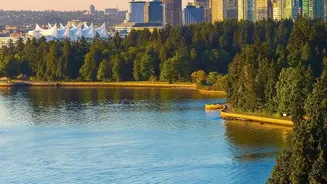
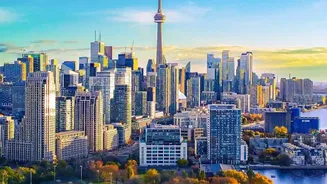
Canada's major cities like Vancouver, Toronto, and Montreal are perennial favourites, drawing visitors with their world-class dining and cultural scenes. But this popularity can also mean high costs and crowded attractions. Newer guides are encouraging travellers to look at up-and-coming urban centres or explore different facets of the major hubs. Halifax, for example, was recently named a top trending destination by Tripadvisor for 2026. Its revitalized waterfront, growing culinary scene, and focus on highlighting Mi'kmaw history offer a rich experience. Instead of focusing solely on downtown Vancouver, a short trip to the Sunshine Coast offers a relaxed, artsy vibe with stunning coastal Pacific scenery. This approach encourages a deeper dive into Canada's diverse urban tapestry.
The Underrated Gems Getting the Spotlight
Perhaps the most exciting outcome of this travel reassessment is the rise of truly underrated destinations. Guides are now championing places that have long been local secrets. Haida Gwaii in British Columbia, often called the 'Galapagos of the North', is gaining recognition for its Indigenous-led tourism and pristine natural beauty. In Newfoundland, Gros Morne National Park provides jaw-dropping landscapes that rival more famous mountain destinations. Saskatchewan's Grasslands National Park offers a unique prairie wilderness experience, while the Yukon provides a rugged, untouched frontier for the truly adventurous. These destinations are being highlighted not just as alternatives, but as world-class locations in their own right, offering the kind of meaningful, crowd-free travel that many modern tourists are searching for.