

A Gift from Halley's Comet
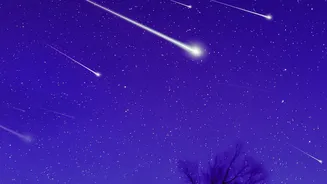
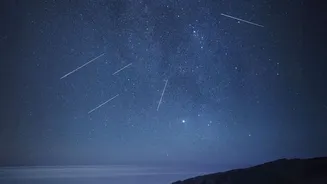
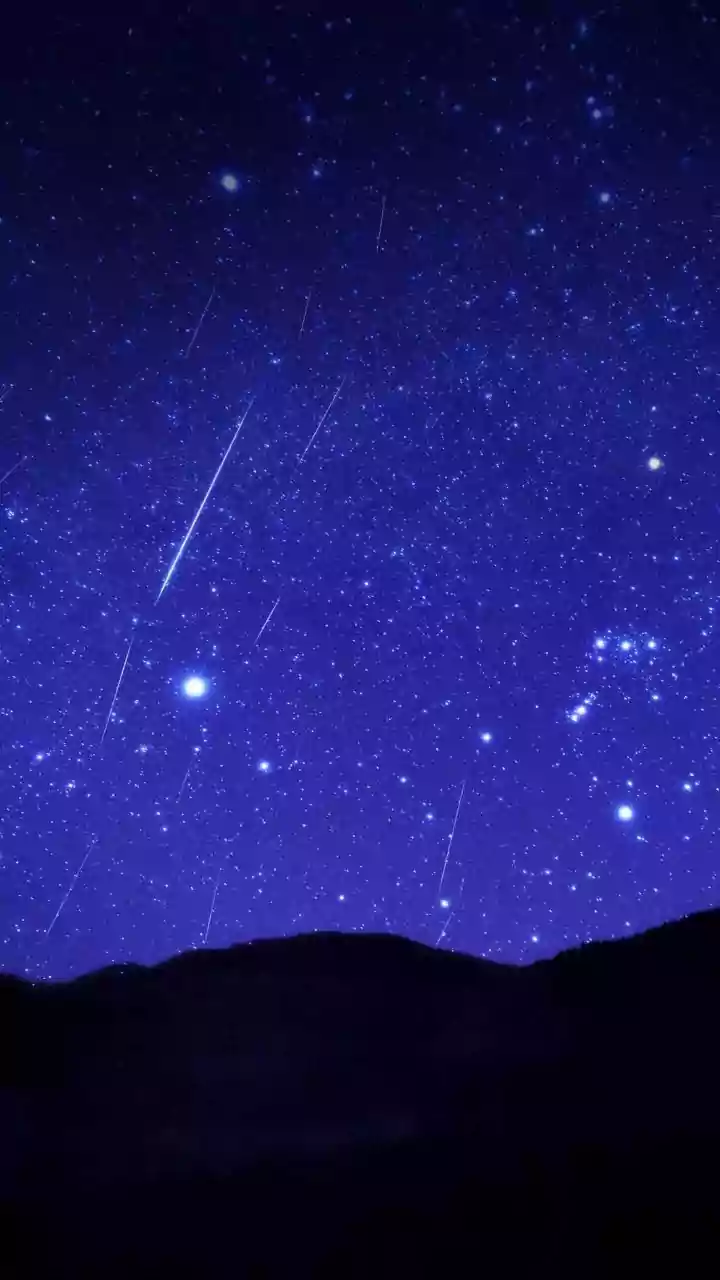
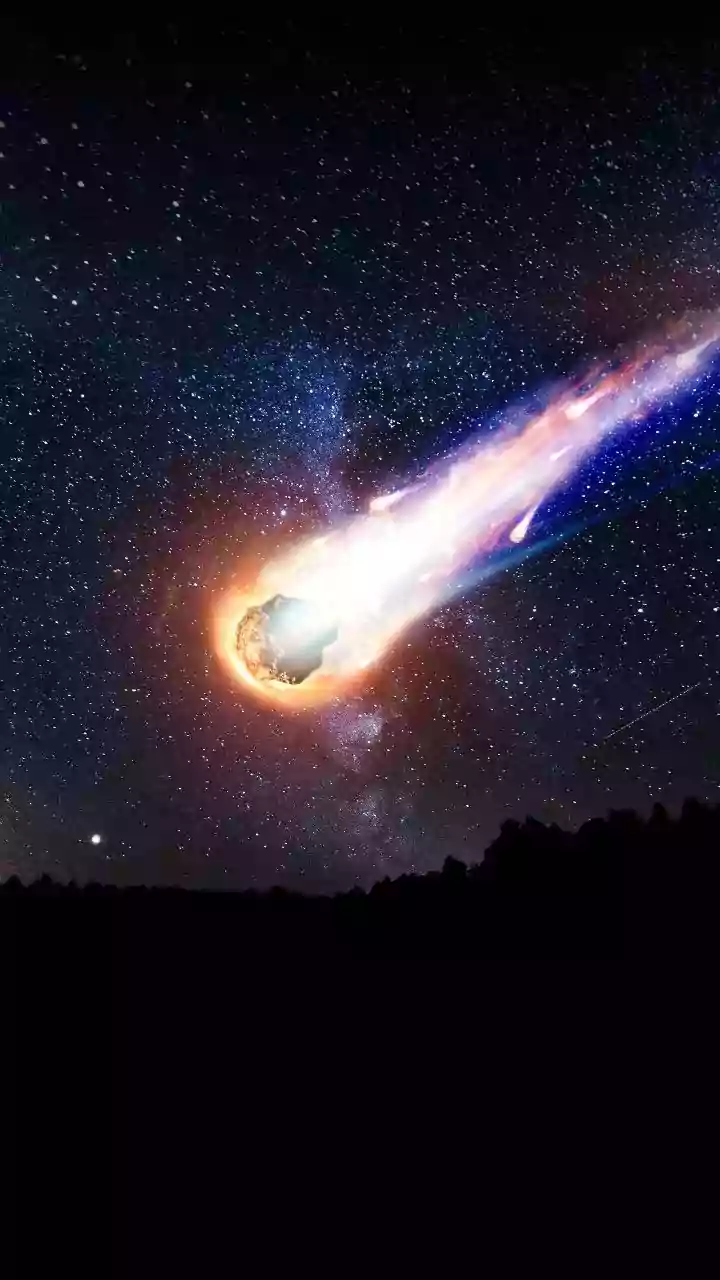
So, what exactly are you looking at? The Orionid meteor shower is made up of tiny cosmic particles left behind by one of the most famous celestial visitors: Halley's Comet. Every year in October, Earth's orbit takes it through this ancient stream of dust
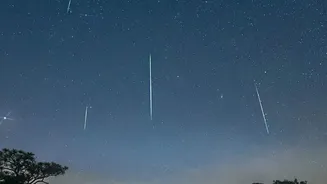
and ice. When these sand-grain-sized fragments enter our atmosphere at incredible speeds—around 66 kilometres per second—they burn up, creating the brilliant streaks of light we call shooting stars. These meteors are known for being particularly fast and can sometimes leave glowing trails that linger for a few seconds after the initial flash.
The 'No Telescope' Advantage
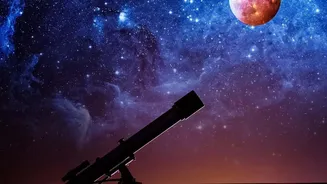
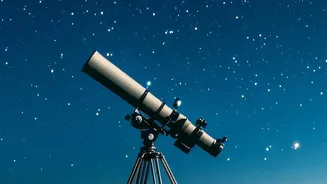
It might sound counterintuitive, but for a meteor shower, a telescope or even binoculars will only hinder your experience. Those tools are designed to magnify a very small, specific patch of the sky, like a planet or a distant nebula. However, meteors are unpredictable and can appear anywhere across the entire celestial canvas. Trying to track one with a telescope is like trying to catch a firefly through a keyhole. Your own eyes are the best tool for the job, offering a wide-angle view that allows you to take in a huge portion of the sky at once, making it much easier to spot those fleeting streaks of light.
When and Where to Watch in 2026
Mark your calendar for the pre-dawn hours of October 21st and 22nd, 2026, which is the predicted peak of the shower. While you might see meteors anytime from early October to early November, your chances are best during these peak mornings. For 2026, there's a specific strategy. A bright waxing gibbous moon will light up the sky for the first half of the night, washing out fainter meteors. The key is to wait it out. The moon is expected to set around 3 a.m. local time, leaving a perfect window of dark sky until dawn. This post-moonset period is your prime time for viewing. Aim to be watching between 3 a.m. and sunrise for the best possible show.
Your Simple Stargazing Toolkit
Instead of complicated optics, focus on comfort. Your essential viewing kit should include a reclining lawn chair or a thick blanket to lie on, preventing neck strain. Even on a mild autumn night, temperatures can drop in the pre-dawn hours, so bring warm layers of clothing. A flask of a warm beverage and some snacks can make the waiting game much more enjoyable. While you should avoid your bright phone screen, which ruins your night vision, a torch with a red light is perfect for finding your way in the dark without affecting your eyes' ability to see faint light.
Finding a Spot and Looking Up
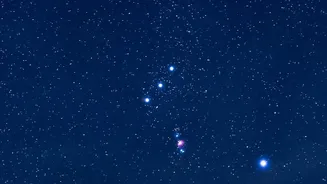
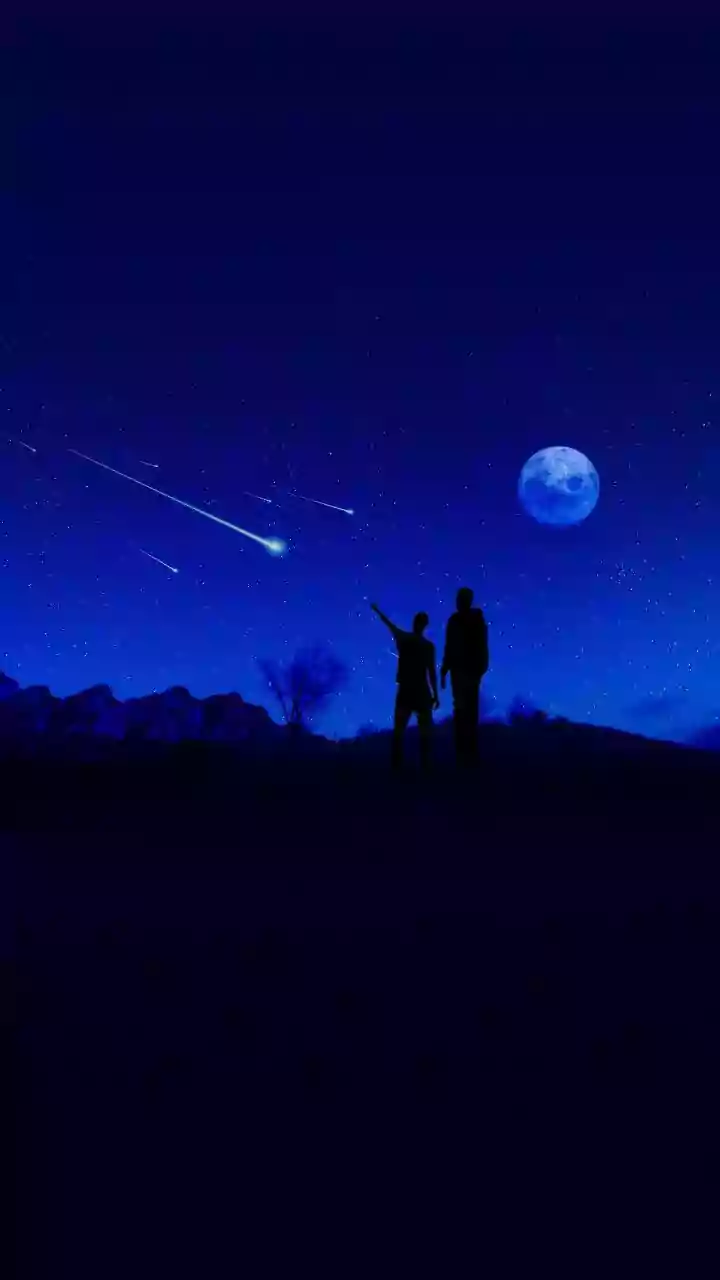
The single most important factor for a successful viewing is getting away from city lights. Light pollution from urban areas creates a glow that obscures all but the brightest stars and meteors. Find a spot with a wide, open view of the sky, like a rural park or a quiet area outside of town. Once you're settled, give your eyes at least 20 to 30 minutes to fully adapt to the darkness. The meteors will appear to radiate from the constellation Orion, but you don't need to stare directly at it. In fact, you'll see longer and more dramatic streaks by looking about 45 degrees away from the radiant point. Just lie back, look up, and let your eyes scan the vast darkness.