




The Search for a Natural Sports Drink
In the world of fitness, the tide is turning against neon-coloured sports drinks packed with artificial sugars and additives. Athletes are increasingly scrutinising labels, looking for hydration solutions that are both effective and natural. This search
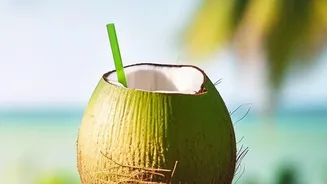
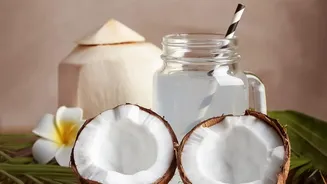
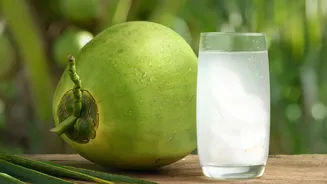
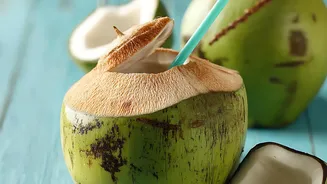
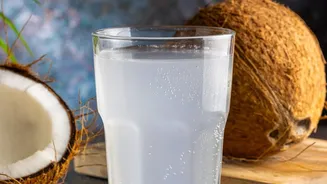
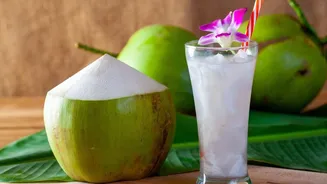
has led many back to a familiar, readily available drink in India: coconut water. Often called 'nature's sports drink', it's praised for being a low-calorie, natural source of hydration. But for a serious athlete training in the demanding Indian climate, is it truly superior, and is it complete on its own?
Decoding Coconut Water's Power
Coconut water's claim to fame lies in its impressive electrolyte profile. It is naturally rich in potassium, a mineral crucial for proper muscle function and regulating fluid balance. A single cup can contain more potassium than a banana. It also provides smaller amounts of magnesium, calcium, and phosphorus. However, where coconut water falls short for athletes is its low sodium content. While its high potassium level is beneficial, it doesn't address the primary electrolyte lost through sweat.
Why Salt is the Missing Piece
When you sweat during intense exercise, particularly in hot and humid conditions, your body loses far more sodium than any other electrolyte. Sodium is critical for maintaining fluid balance, blood volume, and nerve function. Insufficient sodium can lead to dehydration, muscle cramps, fatigue, and in severe cases, a dangerous condition called hyponatremia. This is why simply drinking coconut water during or after a long, sweaty workout might not be enough to fully rehydrate and protect your muscles. Adding a pinch of salt isn't just for taste; it's a functional necessity to create a more complete electrolyte solution.
The DIY Sports Drink: A Practical Guide
Creating your own electrolyte drink is simple. The goal is to balance coconut water's high potassium with an adequate amount of sodium. For a standard 250-300 ml glass of fresh coconut water, adding a small pinch (about 1/8th of a teaspoon) of salt, preferably mineral-rich salt like Himalayan pink or sea salt, is a good starting point. This combination helps your body retain the fluid more effectively. For extra flavour and a small energy boost from natural sugars, you can also add a squeeze of lime juice, which is a common practice in the traditional Indian drink Nimbu Paani. This blend is best suited for exercise lasting up to 60-90 minutes.
Coconut Water and Salt vs. Commercial Drinks
So, how does this homemade concoction stack up against a typical sports drink? For light to moderate exercise, the coconut water and salt blend is an excellent, natural alternative. It provides hydration and key electrolytes without the high-fructose corn syrup, artificial colours, and excessive sugar found in many commercial products. However, for endurance athletes engaged in very long or high-intensity activities (over 90 minutes), a commercial sports drink might still have an edge due to its scientifically formulated and higher concentrations of sodium and carbohydrates, which are designed for rapid absorption and energy replacement during extreme exertion. Studies comparing the two often find no significant difference in performance for moderate workouts.