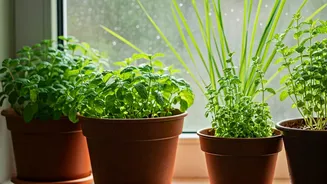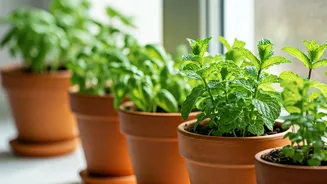



Mint (Pudina)
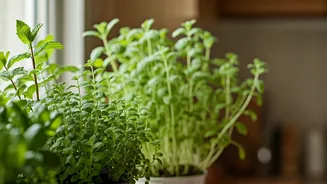
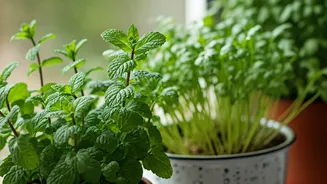
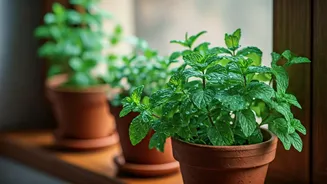
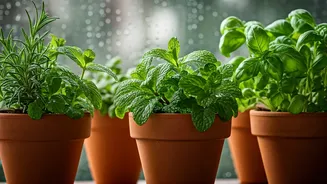
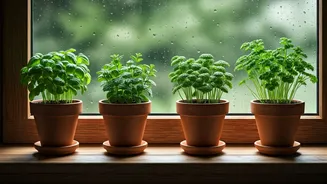
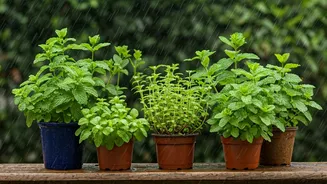
There's a reason mint is a staple in so many Indian households. It’s incredibly easy to grow, spreads quickly, and its refreshing aroma can instantly lift the mood in a room. During the monsoon, when you might crave a hot cup of chai, a fresh sprig of pudina
adds a soothing touch. This herb is quite forgiving and doesn't demand direct, harsh sunlight, making it perfect for a windowsill that gets indirect or partial light. In fact, in hotter climates, a bit of shade helps it retain moisture. Mint is thirsty and prefers its soil to be consistently moist but not waterlogged, a condition that’s easy to manage during the humid rainy months. For best results, plant it in its own pot, as its roots tend to spread aggressively and can take over any shared space. A handful of leaves can be used for everything from chutneys and raitas to invigorating herbal teas.
Holy Basil (Tulsi)
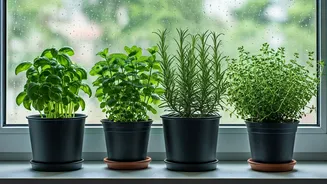
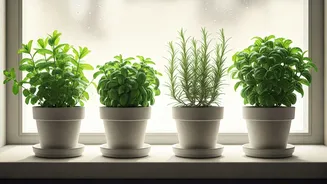
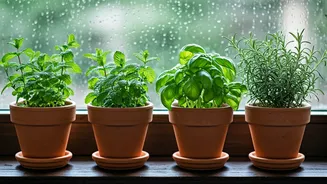
No Indian herb garden feels complete without Tulsi. Revered for its spiritual significance and medicinal properties, its distinct, peppery aroma is both calming and purifying. Holy Basil is particularly beneficial during the monsoon, as it's traditionally used to help boost immunity and soothe respiratory issues like colds and coughs. While Tulsi loves warmth and sun, it grows beautifully as a houseplant on a sunny windowsill, needing about four to six hours of light daily. A south-facing window is ideal. If you're concerned about overcast days, don't worry—it's quite resilient. The key is to use a well-draining pot and to water only when the top layer of soil feels dry to the touch, as it dislikes soggy roots. Regularly pinching off its flowers will encourage the plant to produce more of its wonderfully aromatic leaves, ensuring you have a steady supply for your morning kadha.
Lemongrass
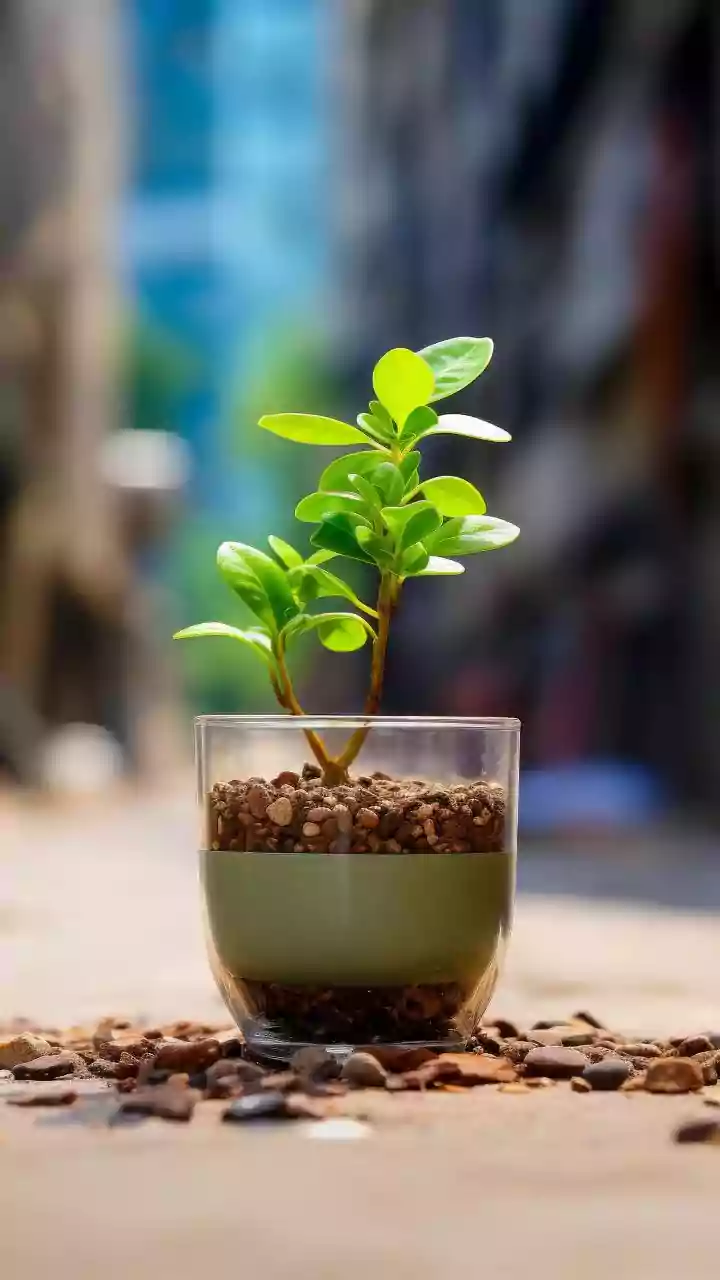
With its sharp, citrusy fragrance, lemongrass is the perfect herb to combat the damp, earthy smells of the monsoon. It brings a clean, fresh scent to your kitchen and is a key ingredient in many Asian cuisines and therapeutic teas. Lemongrass thrives in the humid, warm conditions typical of the Indian rainy season. While it loves sunlight, it can adapt to container life on a bright windowsill. One of the easiest ways to grow it is by rooting stalks bought from the market. Simply place a fresh stalk with its base intact in a glass of water, and roots should appear in a few weeks. Once rooted, transfer it to a deep pot to give its roots space to grow. It enjoys consistently moist soil, so you'll need to water it regularly. Harvest the stalks when they are about as thick as a pencil to use in curries, soups, and refreshing teas that are especially comforting on a rainy day.
Carom (Ajwain Plant)
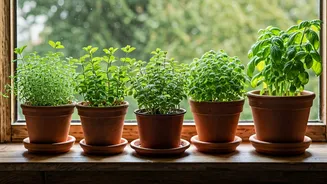
This isn't the plant that produces the ajwain seeds you buy in stores, but rather a leafy herb often called Mexican Mint or Indian Borage, which has a remarkably similar pungent aroma. The leaves are fleshy and flavourful, with a scent that combines notes of oregano and thyme. It's a fast-growing plant that is very easy to propagate from cuttings, making it an excellent choice for beginner gardeners. The ajwain plant does well in pots and can be grown indoors on a windowsill. It prefers a semi-shaded location, as too much direct sun can cause its leaves to turn yellow. It is also quite hardy and doesn't require a lot of water, making it a low-maintenance option. The leaves can be used in cooking to flavour dishes or chewed raw to aid digestion, a common practice in traditional Indian medicine. Its unique fragrance and attractive leaves make it a wonderful and useful addition to a rainy day herb collection.