







As winter's chill sets in, we seal our windows and doors, creating a cozy refuge. But this very act of keeping the cold out can trap an invisible danger inside, turning our homes into concentrated zones of harmful air pollution.
The Invisible Danger: Meet PM2.5
You can't see it, but you're
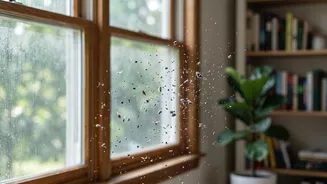
likely breathing it in right now. PM2.5 refers to fine particulate matter with a diameter of 2.5 micrometres or smaller—so tiny that these particles are about 30 times thinner than a human hair. Because of their microscopic size, they can bypass the body's natural defences, travelling deep into the lungs and even entering the bloodstream. Scientific studies have linked long-term exposure to PM2.5 to a host of health problems, including respiratory issues like asthma, cardiovascular diseases, and even premature death. The International Agency for Research on Cancer classifies particulate matter as a Group 1 carcinogen, meaning there is sufficient evidence of its carcinogenicity in humans. While we often associate this threat with outdoor smog, the reality is that indoor levels can be two to five times higher than outdoors.
Your Home: The Pollution Hotspot
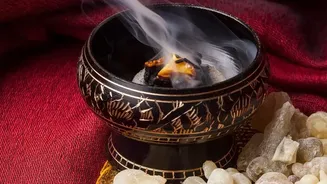
Many everyday activities in an Indian household are major sources of indoor PM2.5. Cooking, especially the frying and 'tadka' that are central to our cuisine, releases significant amounts of fine particles and oil aerosols into the air. Other common sources include burning incense (agarbatti) and candles, which release fine soot. Even seemingly harmless activities like sweeping, dusting, and using certain cleaning products can stir up or release pollutants. These particles, generated inside your home, add to the outdoor pollutants that inevitably seep in. In many urban homes, over 77% of indoor PM2.5 can be driven by these internal activities. Without a way to escape, these pollutants accumulate, creating an unhealthy environment.
Cold weather creates a perfect storm for poor indoor air quality... [Note structure preserved as per instructions]