






The Power of Canned Fish
Often overlooked, canned and pouched fish like tuna, salmon, and sardines are nutritional powerhouses. A single tin can be packed with high-quality protein, often comparable to a fresh chicken breast. For instance, a standard tin of sardines can contain
20-25 grams of complete protein, which includes all the essential amino acids your body needs. Tuna is another excellent source, with a 3-ounce serving offering around 20 grams of protein. Beyond just protein, these options are rich in omega-3 fatty acids, which are vital for heart and brain health. Sardines canned with their soft, edible bones are also a fantastic source of calcium and vitamin D. For a quick meal, toss them into a salad, mix with pasta, or simply serve on whole-grain toast.
Legumes: The Plant-Based Workhorse
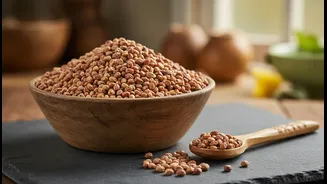
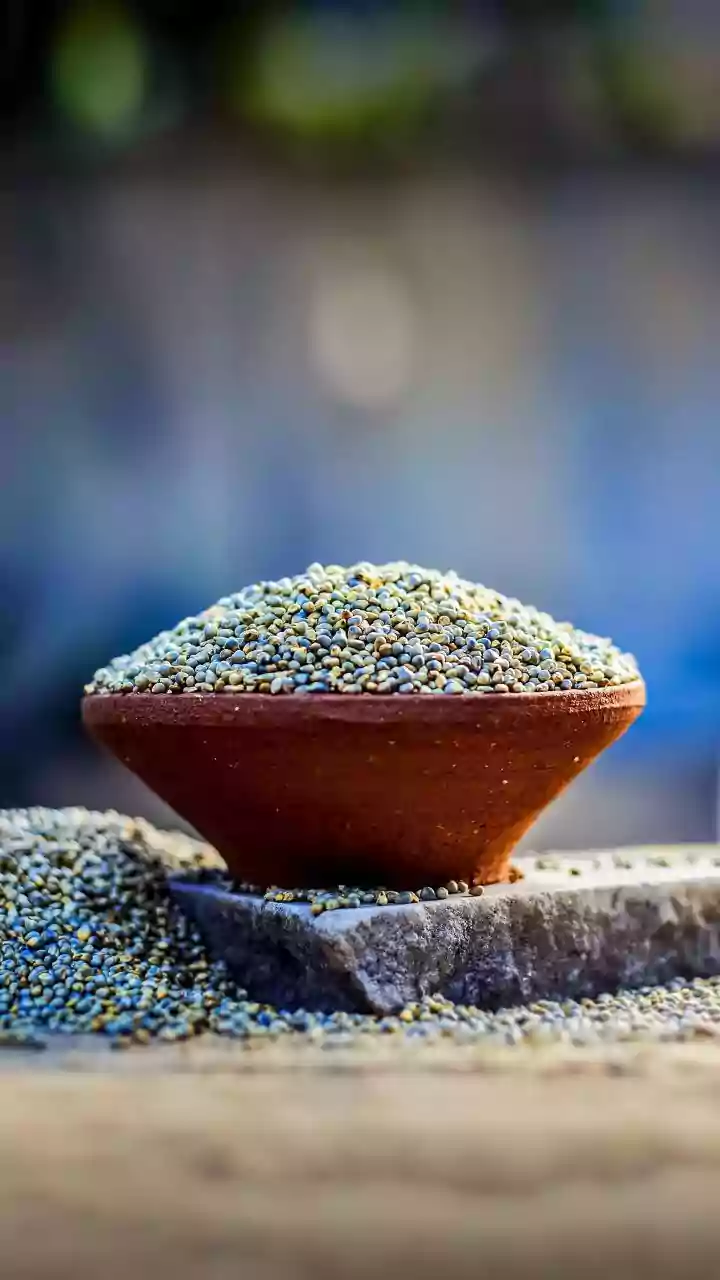
Beans and lentils, whether canned or dried, are some of the most affordable and versatile pantry staples available. A single cup of cooked lentils provides about 18 grams of protein, while black beans offer around 15 grams. They are also incredibly high in dietary fibre, which promotes digestive health and helps you feel full longer. While most plant proteins are not 'complete' on their own, pairing legumes with a whole grain like rice creates a meal with all essential amino acids. Their uses are nearly endless: think hearty dal, quick bean salads, vegetarian burgers, and comforting soups. Keeping a variety of dried and canned legumes ensures you're always ready to whip up a filling, nutritious meal.
Nuts, Seeds, and Butters
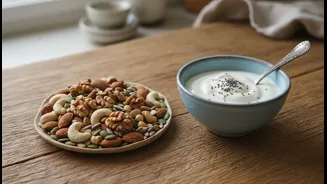
Don't underestimate the protein punch of nuts and seeds. A small handful of almonds or walnuts or a couple of tablespoons of nut butter can significantly boost your protein intake for the day. Peanut butter, for example, provides about 7-8 grams of protein per two-tablespoon serving. Almond butter is a great alternative, offering around 7 grams of protein along with healthy monounsaturated fats. Seeds are equally valuable; chia, pumpkin, and sunflower seeds can be sprinkled on yoghurt, added to oatmeal, or blended into smoothies. Sunflower seed butter, a great option for those with nut allergies, has about 6 grams of protein per serving and is rich in vitamin E and magnesium. These foods are perfect for quick snacks and adding satisfying crunch and flavour to meals.
The Versatility of Protein Powder
Protein powder isn't just for bodybuilders or gym-goers anymore. A scoop of whey, casein, or plant-based protein powder can easily add 20-25 grams of protein to your daily diet. While shakes are the most common use, these powders are incredibly versatile. You can stir a scoop into your morning oatmeal, mix it into pancake or waffle batter, or even blend it into yoghurt to create a high-protein, creamy snack. Unflavoured protein powders can even be added to savoury dishes like soups or mashed potatoes to increase their nutritional value without altering the taste significantly. This makes it a simple and effective way to ensure you're meeting your protein needs, especially on busy days.
Dried and Cured Meats
For a convenient, on-the-go protein source, jerky and other dried meats are an excellent choice. Made from lean meats that have been dried to prevent spoilage, jerky is high in protein and has a long shelf life of one to two years. A single beef stick can provide around 9 grams of complete protein, making it a practical and portable snack. While traditionally made from beef, you can now find jerky made from chicken, turkey, and even plant-based options like mushrooms. When choosing jerky, it's wise to look for low-sodium and low-sugar varieties to keep it as healthy as possible. It’s a perfect snack for travelling, hiking, or simply keeping in your desk drawer for a midday energy boost.