
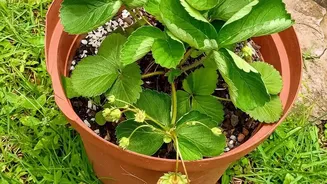


First, Check for Waterlogging
The number one enemy of potted plants after prolonged rain is waterlogged soil. When soil is saturated, air pockets disappear, starving roots of oxygen and leading to root rot. Before doing anything else, check your pots. Tip smaller pots to see if excess
water drains out. For larger ones, gently poke a finger or a stick about two inches deep. If it feels soggy and muddy rather than just moist, you have a drainage issue. Ensure the drainage holes at the bottom of the pot are not blocked. If they are, carefully clear them. You can elevate pots on bricks or stands to improve airflow and prevent water from stagnating at the base.
Prune and Clean Up
Heavy rains can damage leaves and stems, and the high humidity encourages fungal growth. Your next step is a thorough cleanup. Using clean, sharp scissors or pruning shears, snip off any yellowing, blackened, or dead leaves and broken stems. This not only makes the plant look better but also prevents the spread of disease and redirects the plant's energy toward new, healthy growth. Clear away any fallen leaves or debris from the soil surface, as this can harbor pests and mould. Good garden hygiene is critical in preventing infections from taking hold.
Aerate and Replenish the Soil
Monsoon rains compact the soil and wash away essential nutrients, a process known as leaching. After the topsoil has dried slightly, gently loosen the top one or two inches with a small fork or trowel, being careful not to disturb the main root ball. This aeration helps the roots breathe again. Once aerated, it's time to add back nutrients. Wait about 10-15 days after the last heavy rain before fertilizing. Add a one-inch layer of organic compost or vermicompost to the topsoil. These release nutrients slowly and improve soil structure. Avoid strong chemical fertilisers immediately, as the plant's roots might be too sensitive.
Tackle Pests and Fungi
The damp, humid post-monsoon climate is a breeding ground for pests like aphids, mealybugs, snails, and slugs, as well as fungal diseases like powdery mildew. Inspect your plants carefully, especially the undersides of leaves and new shoots. For many common pests, a simple, regular spray of neem oil solution can work as a preventative measure. You can make a solution by mixing a few millilitres of neem oil with a litre of water and a drop of liquid soap. For fungal issues, improving air circulation by not overcrowding plants is key. If you spot signs of root rot, like wilting despite wet soil, you may need to repot the plant in fresh, dry soil.
Adjust Sunlight and Watering
As the season changes, so do the light and water requirements for your plants. The intense, direct sunlight that follows the monsoon can scorch plants that have become accustomed to cloudy days. Move sensitive plants to a spot with partial or filtered sunlight, gradually reintroducing them to brighter conditions. Also, adjust your watering schedule. After weeks of not needing to water, it's easy to either continue neglecting it or overcompensate. Always check the soil before watering; water only when the top inch or two is dry to the touch. Plants now need less water than during the hot summer but more than during the monsoon.