




The Low-Maintenance Advantage of Going Native
For many aspiring plant parents, the dream of a verdant balcony or a green indoor corner often wilts in the face of reality. Exotic ornamental plants, while beautiful, frequently demand constant care to survive India's diverse and often harsh climates.
The solution is surprisingly simple: choose plants that already belong here. Native species are plants that have evolved over thousands of years to thrive in our local soil, sunlight, and weather patterns. This natural adaptation gives them a massive advantage. They are inherently tolerant of scorching summers and heavy monsoons, requiring significantly less intervention from you. Once established, many native plants need less water, have a natural resistance to local pests and diseases, and don't depend on a constant diet of special fertilisers. This translates to a more resilient, cost-effective, and forgiving garden for beginners and busy urban dwellers alike.
More Than Just a Plant: Supporting Your Local Ecosystem
Choosing native plants goes beyond personal convenience; it's a powerful act of environmental stewardship. These plants form the bedrock of our local ecosystems, providing essential food and shelter for native birds, bees, butterflies, and other beneficial insects. While popular exotic plants might look pretty, they often do little to support local wildlife. By planting native species, you are essentially creating a mini-sanctuary. A flowering Parijat or Aparajita doesn't just add beauty to your home; it becomes a vital nectar source for pollinators. Trees like Neem and Peepal can attract a variety of birds and insects, helping to restore a small piece of the natural food web in our increasingly concrete jungles. This small change in your gardening choices helps maintain biodiversity and creates green corridors that support the delicate balance of urban nature.
Five Native Stars for Your First Garden
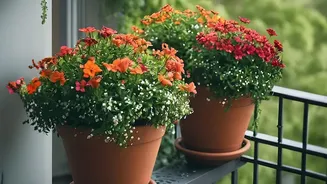
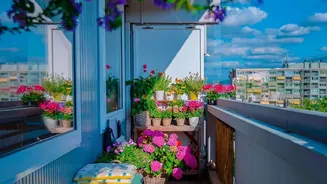
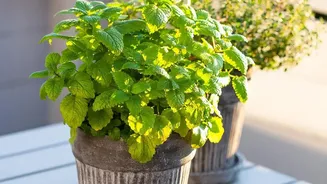
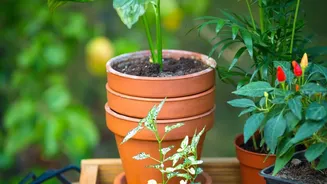
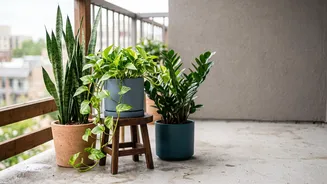
Ready to start? Here are five easy-to-grow native plants that are perfect for pots and balconies. 1. Tulsi (Holy Basil): Revered in Indian culture, Tulsi is a powerhouse. It's a natural air purifier, is known to repel mosquitoes, and thrives in direct sunlight with minimal fuss. It's perfect for a small pot on a sunny windowsill or entryway. 2. Marigold (Genda): These bright, cheerful flowers are incredibly resilient and a staple in Indian households. They love the sun, are easy to grow from seed, and their roots are known to deter certain pests from the soil. 3. Curry Leaf Plant (Kadi Patta): An essential for any Indian kitchen, this plant is surprisingly low-maintenance. It thrives in warm climates and rewards you with aromatic leaves for your culinary adventures. It does well in medium to large pots on a balcony. 4. Jasmine (Mogra/Chameli): The intoxicating fragrance of native jasmine is a classic feature of Indian evenings. These climbers are perfect for a balcony railing or a trellis, requiring moderate watering and sunlight to produce their fragrant blooms. 5. Aparajita (Butterfly Pea): This beautiful vine with striking blue flowers is a hardy and fast-growing climber. It's ideal for covering a grill or fence, adding a splash of colour without demanding constant attention. It adapts well to container gardening.
Tips for Sourcing and Success
Finding native plants is often easier and more affordable than you might think. Your local neighbourhood nursery is the best place to start. They are more likely to stock plants that are already well-suited to your city's specific climate. When you buy, ask for plants like Hibiscus (Gudhal), Ixora, or Crossandra (Aboli), which are common, colourful, and hardy. When planting, the most important rule is to ensure good drainage in your pots to prevent root rot, especially during the monsoon. Most native flowering plants will need at least four to six hours of sunlight to flourish, so observe your balcony or windows to find the sunniest spots. Finally, resist the urge to overwater; it's one of the most common mistakes. Check if the top inch of the soil is dry before watering again. By following these simple guidelines, you'll set your native garden up for success.