



From Feasting to Feeling Good
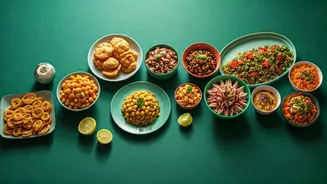
Traditionally, vrat or fasting food in India has been synonymous with rich, calorie-dense dishes. Think deep-fried kuttu puris, oily aloo sabzis, and sabudana vadas. These foods were designed to provide sustained energy for days that often involved more
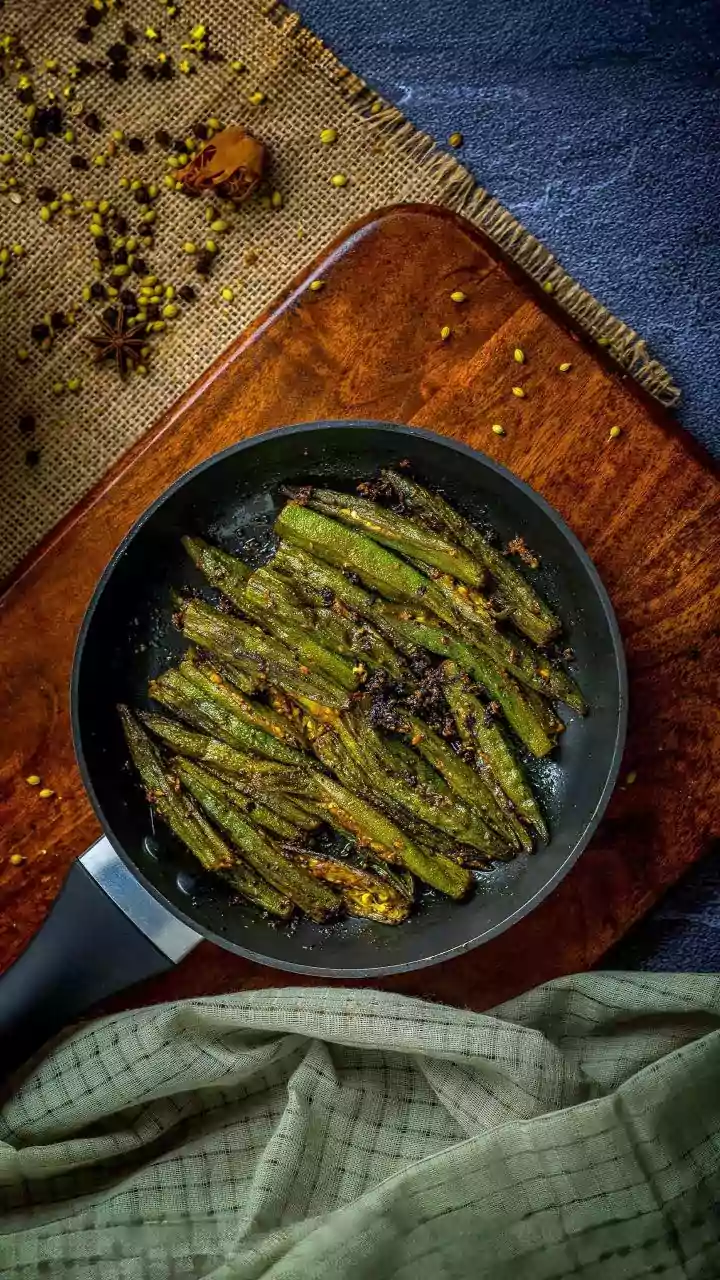
physical activity. However, in today's largely sedentary urban lifestyle, this approach can leave one feeling lethargic and bloated, defeating the spiritual purpose of fasting, which often includes cleansing the body and mind. The modern trend is a direct response to this disconnect. It’s about honouring the fast while nourishing the body, not punishing it with heavy, hard-to-digest meals. People are now seeking options that keep them feeling energetic and clear-headed, turning the fast into a truly restorative experience.
The Great Grain Rethink
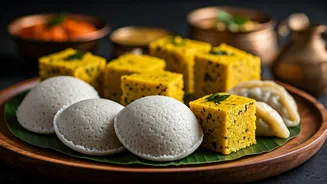
The foundation of many vrat meals lies in alternative flours, as wheat is typically avoided. While buckwheat (kuttu) and water chestnut (singhara) flours remain popular, the method of preparation is changing dramatically. Instead of deep-frying puris, home cooks are now making soft rotis or chapatis from these flours, or from amaranth (rajgira) flour, which is lighter on the stomach. Baking and air-frying have also entered the vrat kitchen in a big way. Think baked kuttu tikkis or air-fried singhara flour crackers instead of their oily counterparts. Another star is samak rice, or barnyard millet. It’s being used to make light, steamed idlis, dosas, and even pulaos packed with vegetables, offering a wholesome and gluten-free alternative that aligns perfectly with the light-eating trend.
Reimagining the Sabudana Staple
No vrat feels complete without sabudana (tapioca pearls), but its reputation as a heavy, starchy ingredient is getting a makeover. The classic sabudana khichdi is being reimagined with significantly less oil and a greater proportion of roasted peanuts for protein and crunch. Sabudana vadas, once exclusively deep-fried, are now commonly made in an appe pan with just a few drops of ghee or baked in the oven for a crispy-on-the-outside, soft-on-the-inside texture. For those with a sweet tooth, sabudana kheer is being prepared with jaggery or dates for sweetness instead of refined sugar, and often thinned with low-fat milk or nut milks to keep it from becoming too heavy. These simple swaps retain the comforting appeal of sabudana while making it much more digestible.
Embracing Fresh and Raw Foods
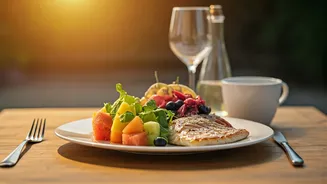
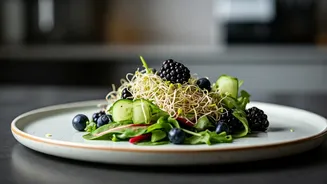
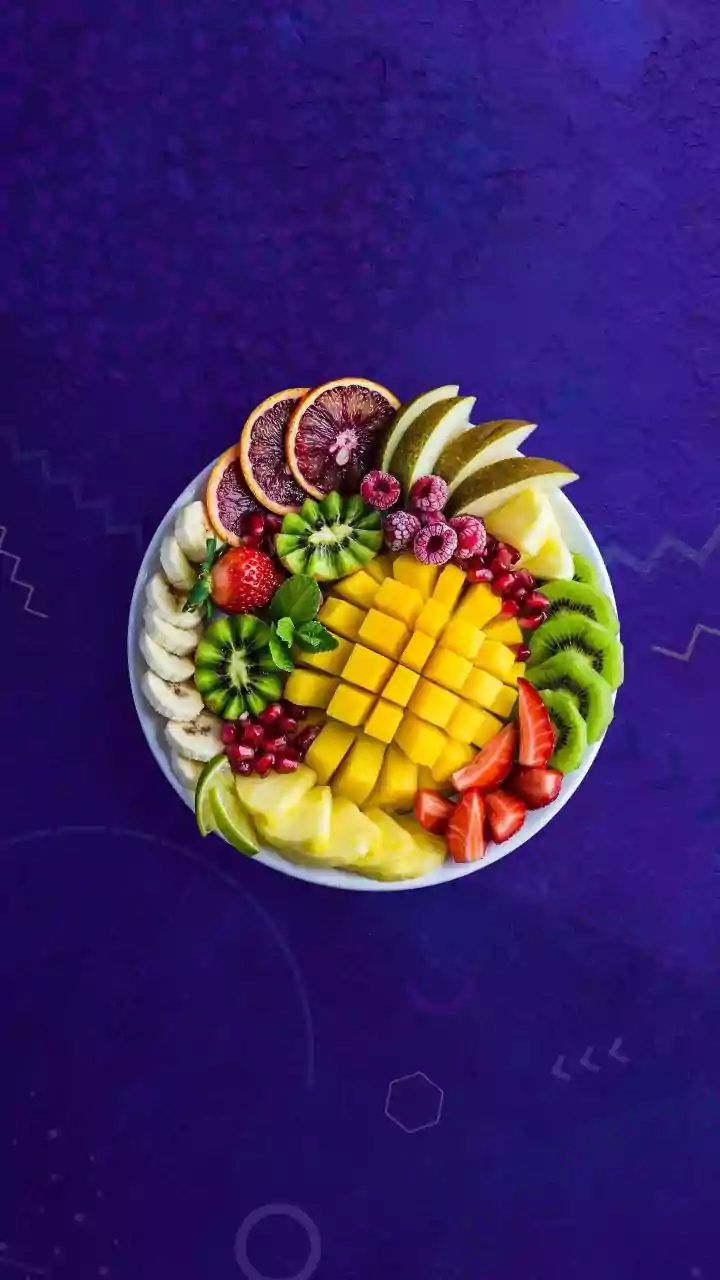
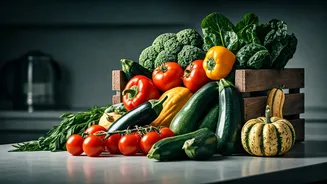
One of the most significant shifts is the increased inclusion of fresh fruits and raw vegetables. Instead of relying solely on potato-based dishes, people are incorporating vibrant, hydrating salads. A simple cucumber and tomato salad with a sprinkle of sendha namak (rock salt) and lemon juice can be incredibly refreshing. Fruit chaats, combining seasonal fruits like bananas, apples, and pomegranates, are another popular choice. Smoothies have also become a vrat-friendly favourite. A blend of yogurt (dahi), banana, and a few dates makes for a quick, filling, and nutritious mini-meal that requires zero cooking and provides instant energy. This focus on raw, natural foods helps in detoxification and keeps the body hydrated throughout the fast.
Smart Snacking Swaps
Snacking during a fast is often where the temptation for fried food is strongest. The new trend offers plenty of delicious and healthy alternatives. Roasted makhana (fox nuts), tossed with a little ghee and rock salt, has become the go-to vrat snack. It’s light, crunchy, and packed with nutrients. Instead of fried potato chips, many are opting for baked sweet potato wedges or banana chips. A simple bowl of yogurt topped with chopped fruits and nuts provides a balanced mix of protein, healthy fats, and carbohydrates. Even desserts are getting a lighter touch. Energy balls made from dates, figs, and nuts are easy to prepare and provide a natural burst of sweetness without any processed sugar.