





The Numbers in Context
For the six months ending September 30, 2026, Air India's losses are estimated to be around Rs 10,500 crore. This information comes via financial disclosures from Singapore Airlines (SIA), which holds a 25.1% stake in the Indian carrier. SIA reported
its share of Air India's losses fell by 16% to S$361.7 million (about Rs 2,640 crore) compared to the same period last year. While a staggering figure, this represents a reduction from the approximately Rs 12,500 crore loss in the first half of the prior fiscal year, suggesting some progress in a challenging operational environment. Still, the losses have impacted SIA, which has seen the carrying value of its investment in Air India decline significantly.
The High Cost of a Rebirth
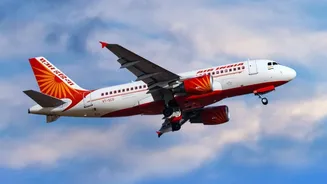
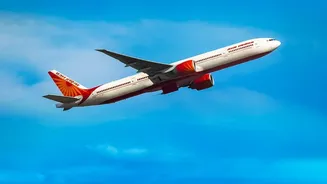
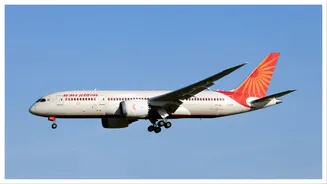
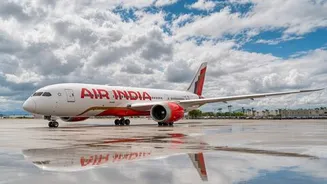
These losses don't exist in a vacuum. They are the direct consequence of Vihaan.AI, Air India’s ambitious, multi-year transformation plan launched under the Tata Group to restore the airline to world-class status. This project involves monumental capital expenditure. The headline item is a record-breaking order for over 570 new aircraft from Airbus and Boeing, with dozens of new planes slated for delivery in 2026 alone. Beyond new metal, the airline has committed over USD 400 million to completely refurbish its legacy widebody fleet of Boeing 777 and 787 aircraft, a project involving new seats, cabins, and in-flight entertainment. This expensive and complex overhaul is essential to address long-standing customer complaints about dated interiors.
Headwinds and Hurdles
The airline's path to profitability is further complicated by severe market headwinds. A primary factor is the soaring cost of jet fuel, which rose by nearly 87% year-over-year according to SIA's reporting. This surge in operational costs puts immense pressure on all carriers, but especially one undergoing a costly transformation. Furthermore, the integration of multiple airlines—Vistara and AirAsia India—into a cohesive unit presents ongoing logistical and cultural challenges. The new CEO, Tewolde Gebremariam, who took charge in October 2026, has already emphasized that achieving sustainable profitability is a key objective and has called for a culture of cost discipline across the organization.
Long Haul to Profitability
Despite the red ink, there are signs of progress that the airline's backers are highlighting. Singapore Airlines noted that Air India has made 'tangible progress' in its transformation, pointing to enhancements in customer experience and operational performance. The airline's market share has been growing, and new strategic partnerships, like a codeshare with Saudia, are expanding its global network. However, the financial results underscore the immense scale of the turnaround. The full-year loss for FY26 was a staggering Rs 22,000 crore, more than double the previous year, highlighting the depth of the challenge. In September 2026, reports emerged that Tata Sons approved a fresh capital infusion of over Rs 10,000 crore to keep the transformation funded, a clear signal of the long-term commitment required.