
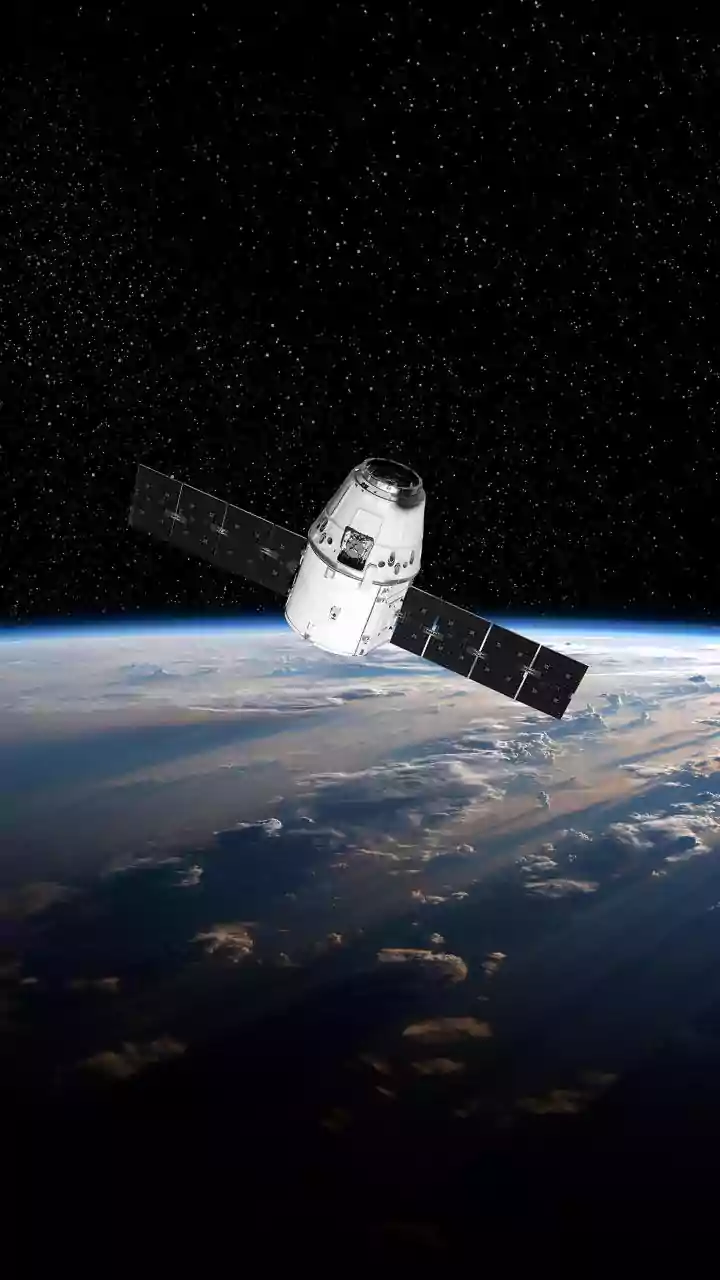




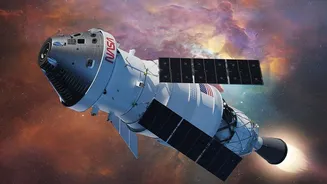

The idea of data centres orbiting Earth, powered by endless sunlight, sounds like the next giant leap for our digital world. But while companies are actively exploring the concept, these orbital networks remain ambitious proposals, not deployed realities.
The Final Frontier for Data
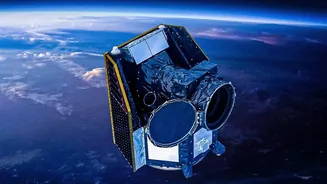
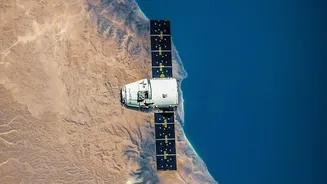
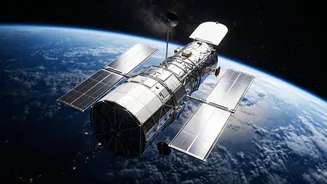
The concept of an orbital data centre is straightforwardly futuristic: instead of building massive, power-hungry facilities on land, we launch servers into space. These satellites would house the same computing and storage infrastructure that powers our internet, but in a low-Earth orbit environment. The idea is driven by pressing terrestrial problems. On Earth, data centres demand enormous amounts of electricity and water for cooling, and they are facing increasing pushback over land use and grid stability. In theory, space offers a solution with near-constant solar power and the cold vacuum as a natural coolant.
Unlocking Zero-Gravity Benefits
Proponents argue that space-based data centres could solve Earth's biggest infrastructure headaches. With solar panels in a sun-synchronous orbit, they could generate significantly more energy than identical panels on the ground. This sidesteps the long delays—sometimes years—for grid connections and permits that plague terrestrial projects. Another benefit is the potential for on-orbit processing, where data collected by satellites is processed in space, reducing the massive volume of information that needs to be sent back to Earth. This is particularly appealing for AI applications and Earth observation, promising faster insights and less data traffic. Companies also suggest that locating data infrastructure in space could protect it from terrestrial threats like natural disasters.
The New Space Race for Servers
A growing number of companies are entering this nascent field, from ambitious startups to tech giants. Companies like Starcloud, Aethero, and EnduroSat are actively developing concepts and have launched test hardware. Starcloud, for instance, has already launched a satellite with a powerful NVIDIA GPU to demonstrate AI processing in orbit. Meanwhile, major players like Google, with its 'Project Suncatcher', and SpaceX have signaled strong interest, filing for large satellite constellations. European efforts include the ASCEND feasibility study, led by Thales Alenia Space, which explored the potential for space data centres to meet environmental goals. China has also launched its own early-stage space-computing constellation.
Gravity, Debris, and Staggering Costs
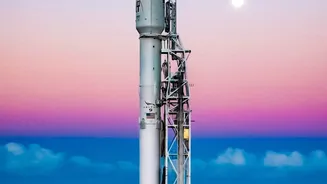
Despite the flurry of activity, the challenges are immense, keeping these proposals firmly in the concept phase. The first major hurdle is cost. Launching hardware into space is incredibly expensive, and a hypothetical 1GW orbital data centre could cost over three times more than its terrestrial equivalent, with launch expenses making up the bulk of the investment. While reusable rockets are lowering costs, they are nowhere near cheap enough to make gigawatt-scale orbital facilities economically viable yet. Cooling in a vacuum is also a complex physics problem; without air for convection, heat must be radiated away, which is difficult at the scale of a data centre. Furthermore, operating in space means dealing with radiation that can degrade hardware and a growing risk of collisions with space debris. Maintenance or repairs, a routine task on Earth, become practically impossible in orbit.
A Sustainable Orbit or a Greenwashed Dream?
The sustainability argument for orbital data centres is double-edged. While they could reduce the strain on Earth's power grids and water supplies, the environmental cost of launching thousands of satellites is significant. Each rocket launch emits greenhouse gases and other pollutants into the atmosphere. Critics argue that the carbon footprint of deploying and maintaining a massive orbital constellation could outweigh the environmental benefits of using solar power in space. The European ASCEND study concluded that achieving environmental benefits would require developing new, ultralowemission launchers. This leaves a critical question unanswered: are orbital data centres a genuine solution to AI's energy problem, or are they simply shifting the environmental burden from the ground to the sky?