



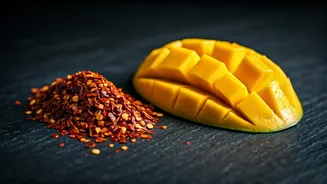


The Trend Taking Over Your Feed
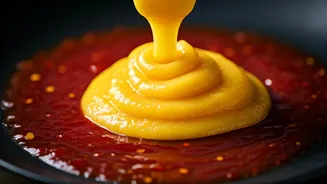
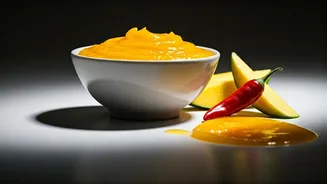
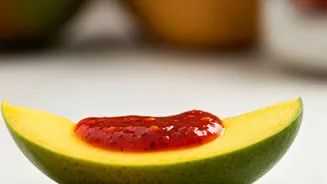
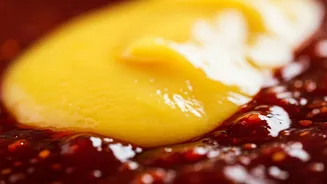
Scroll through your Instagram Reels or YouTube Shorts, and you're bound to see it: a glass or bowl filled with luscious, thick mango puree, its vibrant orange colour a symbol of summer. But then comes the twist. A generous, sometimes shocking, amount
of fiery red peri-peri seasoning is sprinkled on top. The creator then stirs the two together, creating a swirled concoction of sweet and spicy, before taking a spoonful. It’s a visually striking trend that immediately begs the question: what does that actually taste like? This isn't just one viral video; a growing number of food bloggers and home cooks are showcasing their own versions, some adding a squeeze of lime, others a sprig of mint, turning a simple fruit into a full-blown culinary event.
Sweet Meets Heat: A Flavour Science Breakdown
At first glance, the combination might seem bizarre. Mangoes are celebrated for their floral sweetness, while peri-peri is known for its sharp, salty heat. But from a culinary science perspective, it’s a match made in heaven. This is a classic case of 'flavour layering,' where contrasting tastes are combined to create a more complex and satisfying experience. The sugar in the mango puree acts as a perfect counterbalance to the spiciness of the chili, preventing the heat from becoming overwhelming. Your palate experiences the sweetness first, followed by the slow-building warmth of the peri-peri, often with salty and citrusy undertones from the seasoning blend. This dynamic interplay keeps your taste buds engaged, making you want to go back for another spoonful. It’s the same principle that makes sweet chili sauce or spicy margaritas so addictive.
Not as New as You Might Think
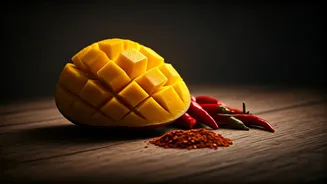
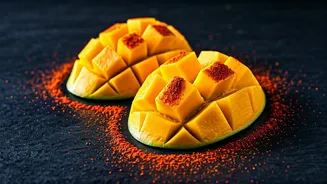
While the specific use of peri-peri seasoning feels modern, the concept of pairing mango with spice is deeply rooted in Indian food culture. For generations, we’ve enjoyed slices of raw, tart 'kairi' sprinkled with a mix of salt and red chili powder—a quintessential summer memory for many. This combination of 'khatta-meetha-teekha' (sour-sweet-spicy) is a cornerstone of Indian cuisine, from the complex flavours of a good chaat to the refreshing kick of a well-made aam panna. The social media trend is simply a contemporary interpretation of this age-old love affair. It swaps raw mango for ripe puree and traditional chili powder for a globally popular seasoning, but the soul of the flavour profile remains unmistakably familiar. It's a taste of nostalgia, repackaged for a new generation.
The Global Allure of Peri-Peri
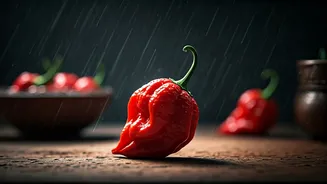
So, why peri-peri specifically? The seasoning, made from the African Bird's Eye chili, has seen a massive surge in popularity across India over the past decade, largely thanks to international food chains like Nando's making it a household name. Its unique flavour profile—not just heat, but also notes of lemon, garlic, and other herbs—makes it more versatile than straight chili powder. It adds complexity along with the spice. For food creators, it’s also an easily recognizable and readily available ingredient that signals a modern, global sensibility. Using peri-peri instead of a generic 'masala' instantly makes the dish feel trendier and more accessible to a wider audience that has grown to love its distinctive kick on everything from french fries to grilled chicken.
How to Try It At Home
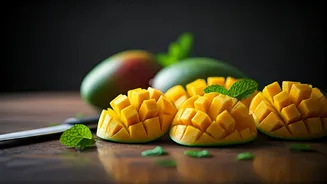
Curious to see what the fuss is about? This is one of the easiest food trends to replicate. Start with a high-quality mango puree. You can make your own by simply blending ripe, sweet mangoes (Alphonso or Kesar are perfect) until smooth, or use a good store-bought variety. Chill the puree for at least an hour. When you're ready to serve, pour it into a bowl and start with a small sprinkle of your favourite peri-peri seasoning. You can always add more, but you can't take it away. Stir it in and taste. For an elevated experience, add a squeeze of fresh lime juice to cut through the sweetness and a few fresh mint leaves for a burst of coolness. Don't be afraid to experiment—the goal is to find the balance that works best for you.