


Why the Monsoon Demands Extra Care
The magic of the monsoon is often accompanied by a significant rise in humidity. This increase in airborne moisture is not just a matter of comfort; it's a critical factor in food safety. High humidity creates an ideal environment for bacteria, moulds,
and other microbes to multiply rapidly on food surfaces. While food spoilage is a year-round concern, the dampness of the rainy season accelerates this process significantly. Bacteria that cause food poisoning, like E. coli and Salmonella, thrive in these conditions. What might have been safe to leave on the counter for a short while in drier weather can become a health risk much faster during the monsoon. This means that proper storage and, crucially, thorough reheating are your first line of defence against unpleasant stomach bugs and more serious illnesses.
The Golden Rule: Heat It Right
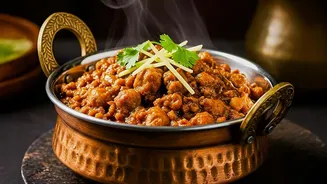
The single most important rule for reheating leftovers is to ensure they reach a safe internal temperature. According to food safety experts, all leftovers should be reheated to at least 74°C (165°F). This temperature is hot enough to kill most harmful bacteria that may have developed during storage. A food thermometer is the most reliable way to check this, but a good visual cue is to ensure the food is steaming hot throughout, not just warm. For liquids like dal, soups, or gravies, bringing them to a full, rolling boil is a clear indicator that they have reached a safe temperature. It's also crucial to reheat food within two hours and to only reheat the portion you plan to eat immediately. Repeatedly cooling and reheating food is not recommended as it degrades nutrients and increases the risk of contamination.
Best Methods for Common Indian Dishes
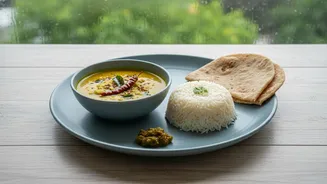
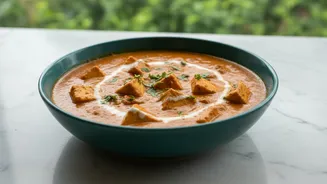
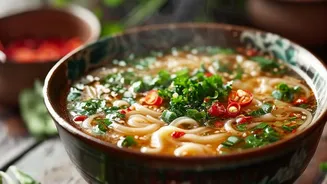
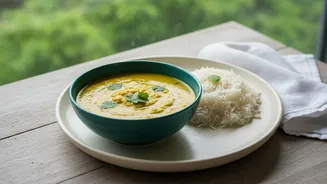
Not all foods reheat the same way. Matching the method to the dish ensures both safety and quality. For saucy curries and dals, the stovetop is ideal. Gently heat the dish in a pan, stirring occasionally to ensure it heats evenly. Adding a small splash of water can prevent the sauce from becoming too thick or sticking. For rice, the main challenge is preventing it from drying out. The best method is to use a microwave. Place the rice in a microwave-safe bowl, sprinkle a little water over it, and cover it with a damp paper towel or a lid. Heat for a few minutes, stirring halfway through, until it is soft and steaming. Fried items like samosas, bhajis, or pakoras should be reheated in an oven or an air fryer to restore their crispness; using a microwave will make them soggy. For flatbreads like rotis or naan, wrap them in a slightly damp cloth and microwave for 15-20 seconds, or heat them on a dry tawa for a minute.
Know When Not to Reheat
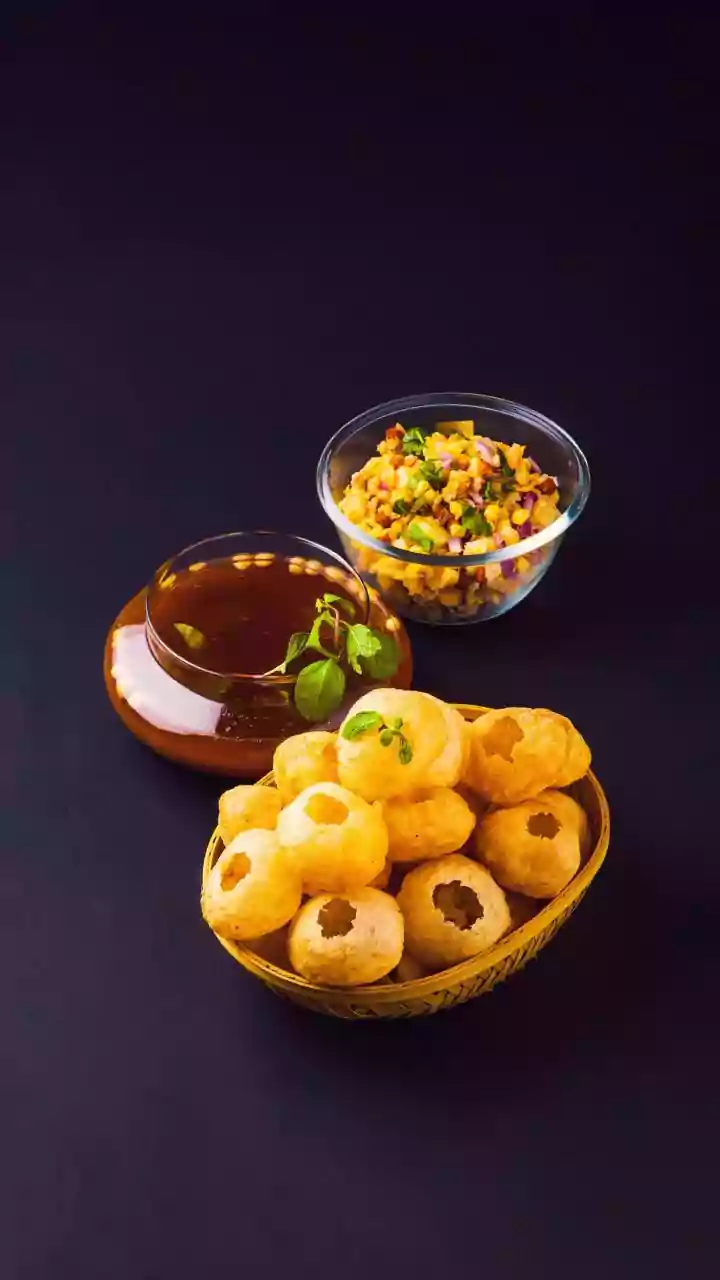
Some foods simply don't take well to reheating and can pose a higher risk. Dishes with ingredients that were already cooked and then assembled cold, like certain chaats or salads with sprouts, should generally be avoided as leftovers, especially during the monsoon. Cooking oils also degrade with each reheating, so it's best to avoid reheating deep-fried foods multiple times. Perhaps most importantly, never attempt to rescue food that shows signs of spoilage. Trust your senses: if the food has an off smell, a slimy texture, or visible mould, it must be discarded. Reheating will not destroy the toxins that some bacteria produce, which can make you sick even if the bacteria themselves are killed. Remember the two-hour rule: any perishable food left at room temperature for more than two hours should be thrown away.
Smart Storage Is Half the Battle
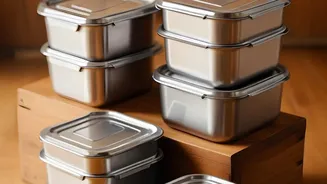
Safe reheating begins with safe storage. As soon as your meal is finished, leftovers should be cooled and refrigerated promptly. Do not leave food sitting out on the counter to cool down for hours. To speed up the cooling process, transfer large quantities of food into smaller, shallow, airtight containers. This allows the food to cool down faster and more evenly in the refrigerator, minimising the time it spends in the 'danger zone'—the range of temperatures where bacteria grow most quickly. Keeping your kitchen surfaces and utensils clean is also paramount during the monsoon to prevent cross-contamination from raw ingredients to cooked food. Simple habits like using separate cutting boards and washing your hands thoroughly can make a big difference in keeping your family safe.