




A Vision of Wildlife After Dark
In a significant development for Indian tourism, the Supreme Court has recently given the green light to the Uttar Pradesh government's ambitious Kukrail Night Safari project in Lucknow. This clears the final hurdle for what is slated to be India's first-ever
night safari, drawing inspiration from successful international models in Singapore and Thailand. The project, with an estimated cost of over ₹1,500 crore, will be developed within the ecologically significant Kukrail Reserve Forest. Unlike a traditional zoo or daytime safari, the core concept is to allow visitors to observe nocturnal animals during their most active hours. This immersive experience will be facilitated by battery-operated trams navigating through specially designed trails under simulated moonlight, ensuring minimal disturbance to the fauna. The plan promises a 40-minute journey through a world that usually remains hidden after sunset.
What to Expect at Kukrail
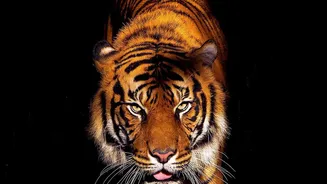
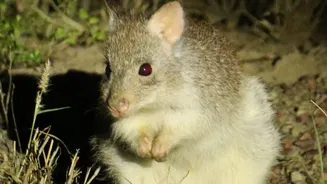
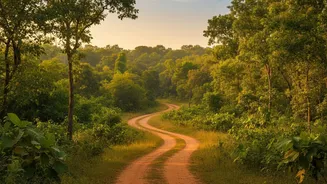
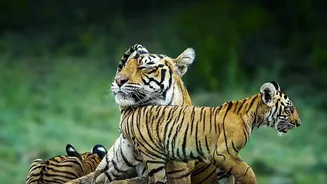
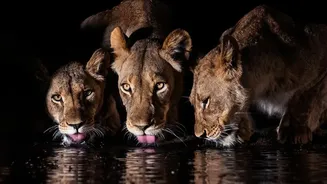
The safari is planned to be home to a variety of majestic animals. Proposed species include Asiatic lions, Bengal tigers, leopards, hyenas, and sloth bears. The habitats will be designed as naturalistic enclosures that mimic the animals' native ecosystems, complete with grasslands and wetlands to create an immersive experience for visitors. The entire project spans over 855 acres within the larger 2,027-hectare reserve forest. Beyond the safari itself, the master plan includes facilities for conservation breeding, wildlife interpretation centres, and educational exhibits. The government's vision is to create a multi-faceted destination that combines tourism with research, education, and conservation. The facility is being designed to handle a significant number of visitors, with estimates around 4,000 on weekdays and double that on weekends and holidays.
A Balancing Act: Economy vs. Ecology
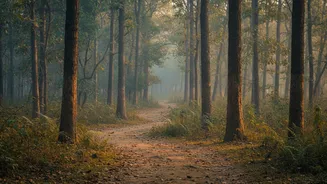
The project's journey has not been without scrutiny. Situated in a reserve forest, the plan underwent years of review by regulatory bodies like the Central Empowered Committee (CEC) and the Central Zoo Authority (CZA) before receiving the Supreme Court's approval. Environmental groups and citizens have raised valid concerns about the potential impact on Kukrail's delicate ecosystem, which serves as a vital green lung for Lucknow and is home to India's first gharial rehabilitation centre. Concerns include the effects of artificial lighting, increased human activity, and construction on the forest's flora and fauna. In response, the court has mandated strict environmental safeguards. These include limiting the widening of an access road to two lanes, ensuring a 1:10 compensatory tree plantation ratio for any trees felled, and periodic site inspections to monitor compliance. An earlier proposal to relocate Lucknow's existing zoo to Kukrail was also rejected to minimize ecological disruption.
The Bigger Picture for Uttar Pradesh
The Kukrail Night Safari is a cornerstone of Uttar Pradesh's strategy to expand its tourism portfolio beyond the well-trodden religious and heritage circuits of Ayodhya, Varanasi, and Agra. By creating a modern, urban wildlife destination, the state aims to attract a new demographic of domestic and international tourists. Proponents argue that the project will generate significant employment, both directly and indirectly, and stimulate the local economy. Furthermore, it is positioned as a platform to promote eco-tourism and raise public awareness about wildlife conservation, particularly regarding nocturnal species. The initiative is part of a broader push by the state government to develop its eco-tourism sites, which include numerous tiger reserves and wildlife sanctuaries. If successful, the Kukrail project could serve as a blueprint for similar urban wildlife experiences across the country, blending city life with natural wonder.