

The Mystery of the 'Katori'
In many Indian households, recipes are passed down with beautifully imprecise terms. A pinch of this, a handful of that, and the ubiquitous ‘katori’ of flour or dal. This system works perfectly when you’re learning side-by-side with an elder, absorbing
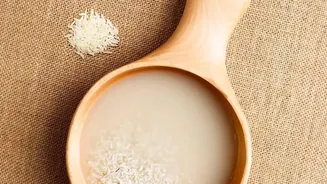
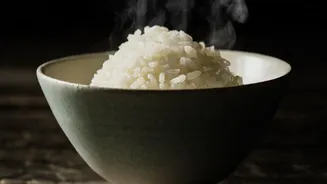
the technique through observation. But when that recipe travels to another home, the problem begins. Whose katori are we talking about? The small steel one for dal, or the larger one for serving vegetables? This ambiguity is a common reason why a grandmother's perfect pulao can become a novice's sticky rice mishap. These informal measurements are part of our culinary heritage, but they rely on a shared context that gets lost when the recipe is simply written down.
Weight vs. Volume: A Crucial Difference
The core of the issue lies in measuring by volume versus measuring by weight. A ‘cup’ or ‘katori’ is a measure of volume — the amount of space an ingredient occupies. Weight, measured in grams, is a measure of mass. While this might sound overly scientific for the home kitchen, it’s especially critical for dry ingredients like flour. One person’s cup of flour, if scooped directly from a settled bag, can weigh significantly more than someone else's who fluffs the flour first and spoons it into the cup. This difference, which can be as much as 20-30%, is often enough to turn a light, airy cake into a dense, dry one. Liquids are more consistent, but for baking, where chemistry is key, weighing ingredients is the single most effective way to guarantee consistent results.
The Global Measurement Divide
The confusion multiplies when we venture into recipes from other countries. The United States primarily uses a customary system with cups and fluid ounces. Most of the rest of the world, including India for official purposes, uses the metric system (grams and millilitres). To complicate matters, a standard US cup (about 237 ml) is different from a metric cup (250 ml) used in places like Australia, and both differ from the various 'Indian cups' used in cookbooks, which can range from 200 ml to 250 ml. This is why blindly following a recipe from an American blog using your Indian measuring cups can lead to disappointing results. The ratios are thrown off just enough to affect the texture and outcome of the dish.
Your Toolkit for Recipe Success
The solution is simpler than it sounds and doesn't require abandoning your family’s beloved recipes. The most valuable tool you can add to your kitchen is a digital kitchen scale. They are affordable and a game-changer for accuracy. The 'tare' function, which resets the scale to zero, allows you to measure multiple ingredients in a single bowl, meaning fewer dishes to wash. When you next cook with a family member, take the opportunity to weigh their ‘katori’ of rice or ‘glass’ of water. Write down that weight in grams. By converting these traditional measures into a standardized format, you create a truly reliable recipe. For volume, invest in a single set of standardized measuring cups and spoons and use them consistently.
Preserving Heritage, One Gram at a Time
Creating a standardized family cookbook is a wonderful way to honour and preserve your culinary heritage. When you document these recipes, transcribe the instructions carefully, but also add the stories and memories associated with them. Standardizing the measurements ensures that these dishes can be successfully recreated by anyone, anywhere, for generations to come. It’s not about erasing the charm of ‘andaz’ (estimation) from cooking; it’s about creating a clear blueprint so that the tradition can survive and thrive. It ensures that your great-grandmother's signature sweet, with all its history and love, will taste just as it should, whether made in your kitchen today or by a future generation years from now.