






The Glue That Holds It All Together
Most modern shoes, from high-performance running sneakers to casual canvas kicks, are not just stitched but are heavily reliant on adhesives. These specialised glues are designed to bond different materials like rubber soles, foam midsoles, and fabric
uppers. However, intense, direct heat from a radiator, dryer, or hairdryer can soften and weaken these adhesives. This can cause the sole to separate from the upper, or different layers of the shoe to come apart. The damage isn't always immediate; repeated exposure to high heat can degrade the glue's chemical structure over time, leading to premature failure right when you least expect it. Even if the shoe doesn't fall apart, the heat can cause parts to shift, permanently altering the fit and support.
When Leather Gets Thirsty and Cracks
Leather shoes are particularly vulnerable to heat. Leather is a natural material that contains essential oils and moisture, which keep it supple and strong. When you apply high heat to dry wet leather, you are essentially baking these vital components out of the hide. This rapid drying process causes the leather fibers to shrink, stiffen, and become incredibly brittle. The result is often irreversible cracking across the surface, especially in areas that flex, like the toe box. The heat can also cause discoloration and ruin the shoe's finish. Instead of a quick dry, you are left with a shoe that is permanently damaged, uncomfortable, and has a significantly shorter lifespan.
Warping, Shrinking, and Synthetic Woes
It’s not just natural materials that suffer. Synthetic fabrics and performance materials found in many athletic shoes are also at risk. High heat can cause these materials to warp, shrink, or even melt. The foam cushioning in running shoes can lose its shape and responsiveness, compromising the comfort and support they are designed to provide. The mesh uppers can become misshapen, leading to an improper fit that could cause blisters or discomfort. In essence, trying to speed up the drying process with heat can fundamentally ruin the carefully engineered structure of your athletic footwear.
The Safe and Simple Drying Method
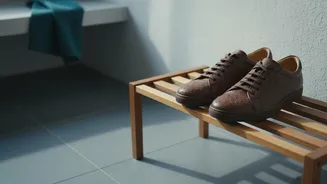
So, what is the right way to dry your soaked shoes? The best method is also the simplest: air drying. First, remove the insoles and laces to allow air to circulate more freely. If the shoes are particularly muddy, give them a quick clean. Next, stuff the shoes loosely with crumpled newspaper or paper towels. This is a crucial step, as the paper will absorb a significant amount of moisture from the inside. Place the stuffed shoes in a dry, well-ventilated area away from direct sunlight or heat. If you can, position them near a fan to speed up the process. Depending on how saturated they are, you may need to replace the damp newspaper every few hours. This method requires patience—it can take 12 to 24 hours—but it preserves the shape, materials, and integrity of your footwear.
A Note on Specialised Shoe Dryers
If you frequently find yourself with wet shoes, investing in a specialised shoe dryer might be worthwhile. These devices are designed to dry footwear using gentle, circulated air that is either at room temperature or very slightly warmed. Unlike a hairdryer or radiator, they work slowly and evenly without exposing the shoe's materials to damaging high temperatures. This makes them a safe and effective option for drying everything from ski boots to everyday sneakers without the risk of warping, cracking, or melting the adhesives.