




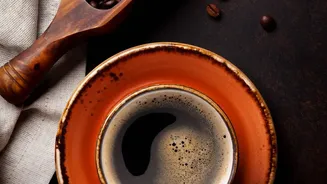

A Shift in the Morning Ritual
While chai has long been the nation's undisputed beverage of choice, coffee has held its own, largely in the form of a quick, convenient instant brew. It was the functional choice for a morning jolt or a late-night study session. This tradition, however,
is now being challenged by a significant cultural shift. Younger, urban consumers are looking beyond convenience and seeking out quality, story, and experience in their cup. This change is part of a broader move toward mindful consumption, where authenticity and craftsmanship are highly valued. The simple act of drinking coffee is transforming from a functional necessity into an expressive lifestyle choice, particularly for Millennials and Gen Z.
Decoding 'Single-Origin'
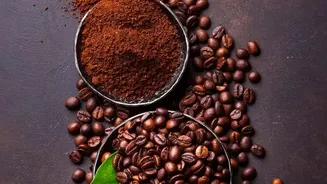
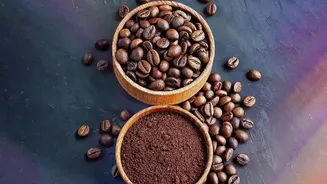
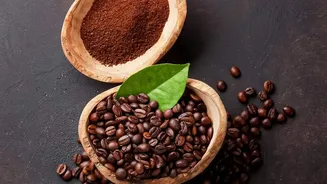
So what exactly is this new obsession? The terms 'specialty' and 'single-origin' are at the heart of it. Unlike blends, which combine beans from various places for a consistent flavour, single-origin coffee comes from a specific farm, estate, or region. This focus on a single source allows the unique characteristics of that location—its 'terroir'—to shine through. Think of it like wine; connoisseurs can distinguish between grapes from different valleys, and coffee lovers are now doing the same with beans from estates in Chikmagalur, Coorg, or Araku Valley. These coffees offer complex flavour profiles, from fruity and floral to chocolatey and spicy, a world away from the uniform taste of mass-market instant coffee.
The Gen Z and Millennial Effect
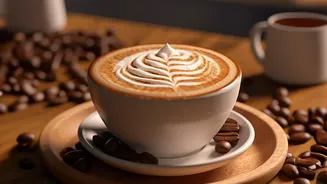
This coffee revolution is being driven by India’s younger generations, who now make up a significant portion of the specialty coffee consumer base. For them, coffee is more than just a drink; it's a social statement and a form of self-expression. Several factors are fueling this trend: a desire for authenticity, increased global exposure through travel and social media, and a willingness to spend on premium experiences. Cafés have become 'third places' between home and work, serving as social hubs and remote offices. The visual appeal of latte art and minimalist café interiors also provides perfect content for social media, turning every cup into a shareable experience.
The Rise of Local Roasters and Café Culture
This shift wouldn't be possible without the explosive growth of the 'third wave' coffee movement in India. This movement treats coffee as an artisanal product, similar to craft beer or fine wine. Chains like Third Wave Coffee, which started in Bengaluru in 2016, have expanded rapidly across the country, with plans to operate over 300 cafes by 2027. These cafes, along with numerous independent roasters, play a crucial role in educating consumers. They introduce different brewing methods like pour-overs and French presses and tell the stories behind the beans, connecting the drinker to the farmer. This has also created a surge in home brewing, with enthusiasts investing in their own equipment to replicate the café experience.
From Estate to Cup: A Boost for Indian Coffee
For years, much of India's highest-quality coffee was destined for export. Now, there's a growing domestic appreciation for these beans. The trend is creating a new sense of pride in homegrown products, with consumers keen to explore the unique flavours of Indian estates like Ratnagiri or Karadykan. This is good news for growers, who are now finding a premium market within their own country. The Indian specialty coffee market is projected to grow significantly, with one forecast predicting it will reach over USD 6.5 billion by 2031. As consumers become more conscious, there is also a greater emphasis on traceability and sustainability, rewarding estates that use ethical and environmentally friendly farming practices.