



The End of an Era
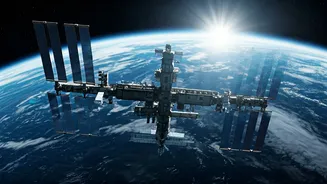
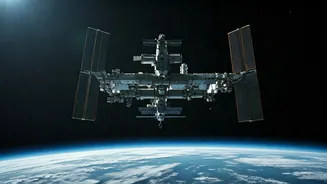
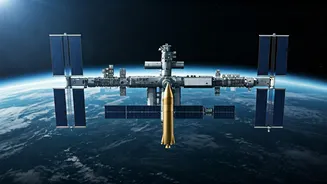
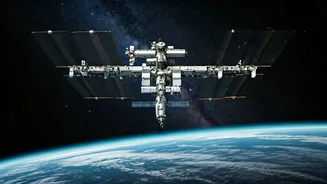
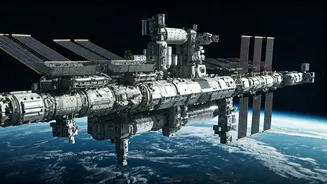
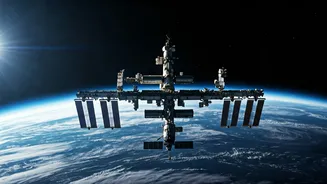
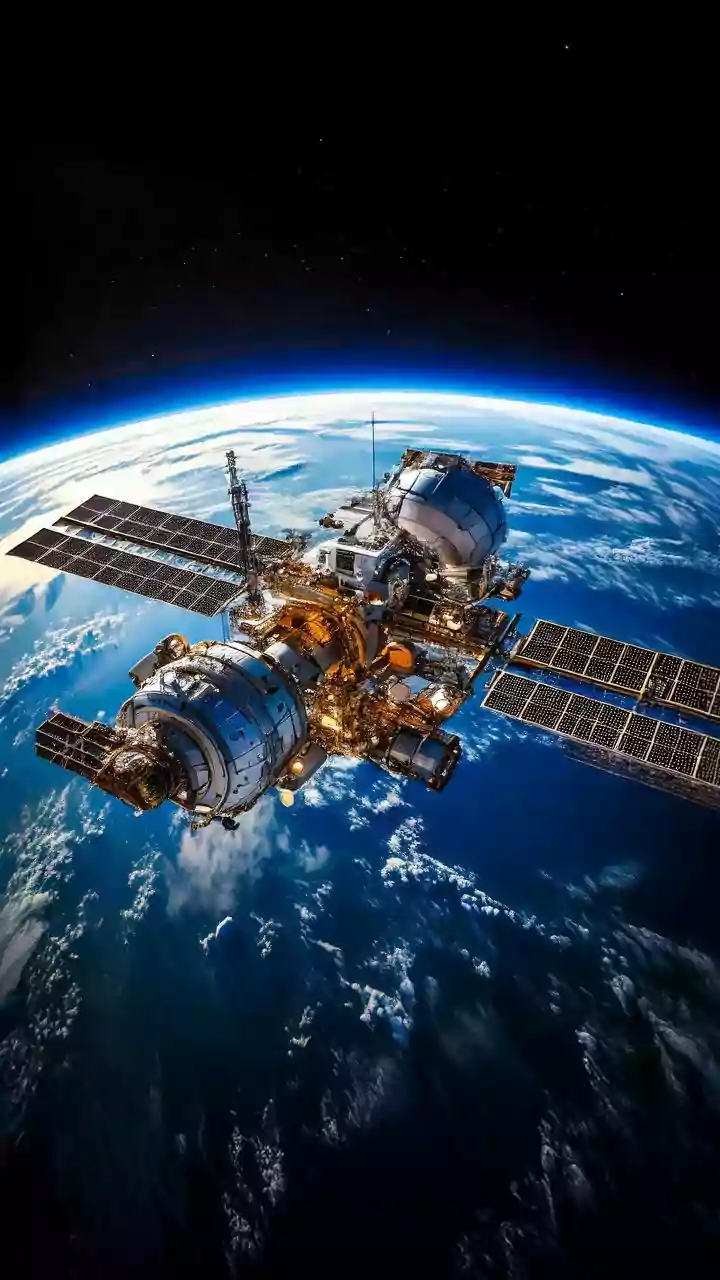
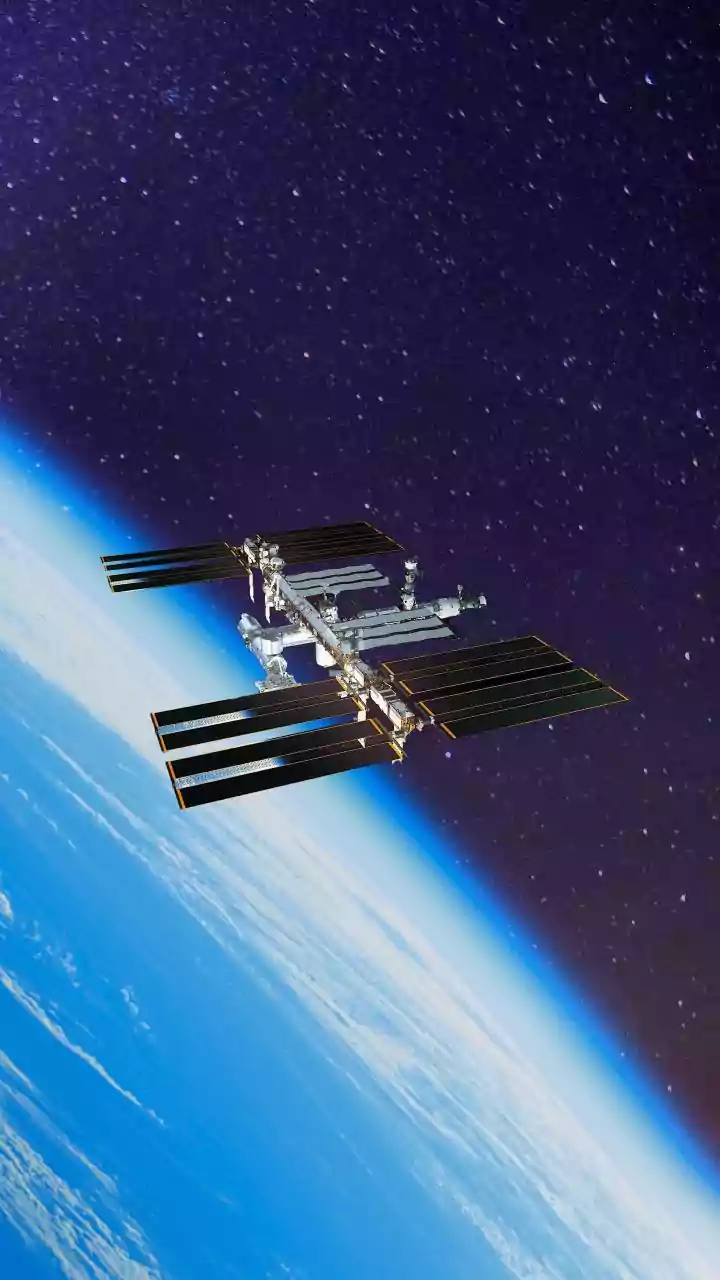
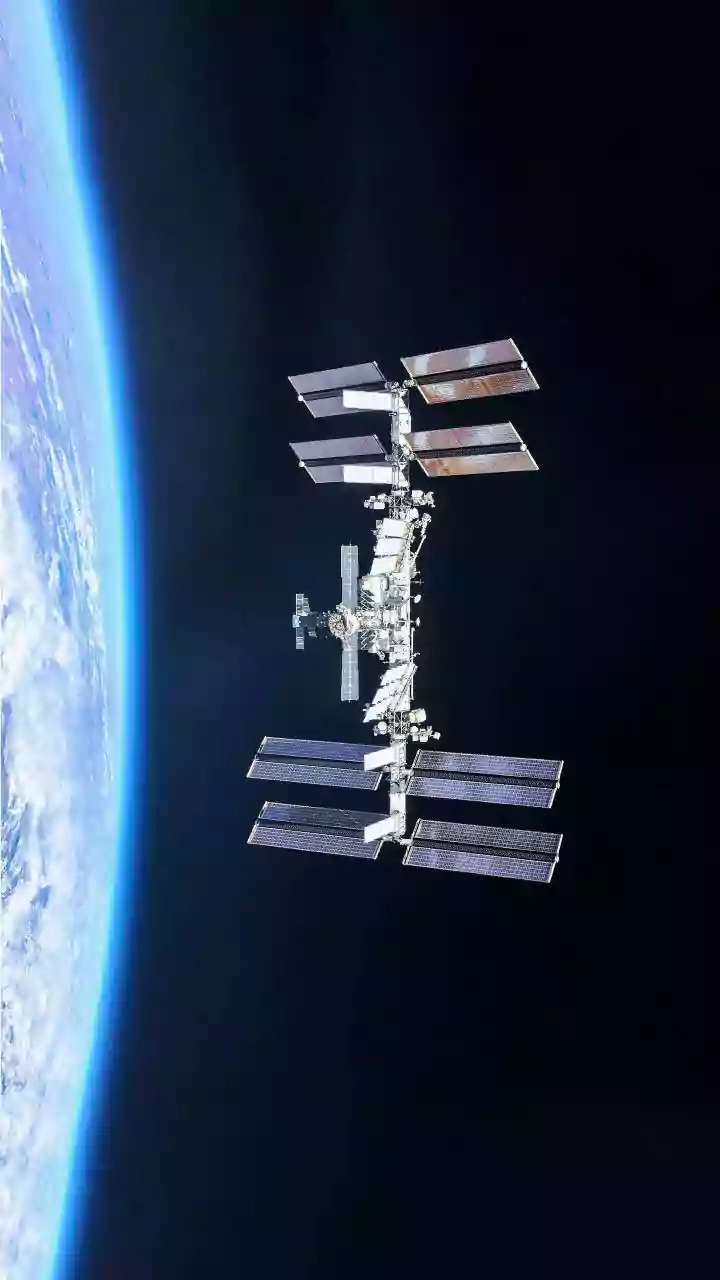
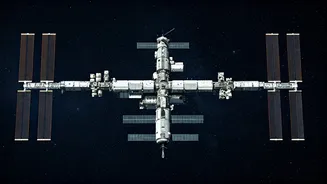
The International Space Station is one of humanity's greatest engineering achievements, but it's getting old. Originally designed for a 15-year lifespan, it has been operating for over 25 years. Maintaining the aging orbital lab costs NASA nearly $3 billion
annually, and structural issues like persistent air leaks are becoming more common. Faced with rising costs and risks, NASA plans to decommission the station by guiding it into a controlled deorbit over a remote part of the Pacific Ocean around 2030. This move, however, creates a pressing problem: without a replacement, the U.S. and its partners could lose their permanent human presence in low-Earth orbit, a capability they've maintained for more than two decades.
A New Commercial Dawn
Instead of building another government-owned station, NASA is turning to the private sector. Through a program called Commercial Low-Earth Orbit Destinations (CLD), the agency is funding several American companies to develop their own space stations. The idea is for NASA to become just one of many customers, buying services like research time and astronaut accommodation from these commercial outposts. This public-private partnership model is designed to drive down costs, foster a robust space economy, and allow NASA to focus its resources on deep-space missions to the Moon and Mars. The main contenders in this new space race include Axiom Space, a venture led by Blue Origin and Sierra Space called Orbital Reef, and the Starlab project from Voyager Space and its partners.
Breaking Down the Billions
These next-generation space stations come with eye-watering price tags, though they are still a fraction of the estimated $150 billion it cost to build and operate the ISS. Axiom Space's station, which will begin as a module attached to the ISS before becoming independent, is estimated to cost around $3 billion. The Starlab station, a joint venture involving Voyager Space and Airbus, is projected to cost between $2.8 and $3.3 billion. The most ambitious project, Orbital Reef—envisioned as a "mixed-use business park in space"—has a reported total cost that could approach $100 billion over its lifetime, though this figure encompasses a vast, multi-partner effort. To kickstart development, NASA has awarded initial contracts under its CLD program totaling over $400 million, split between Blue Origin ($130 million), Nanoracks (now Starlab, $160 million), and Northrop Grumman ($125.6 million), with Axiom Space receiving a separate $140 million contract. However, this government seed money is only a small part of the total funding, with the companies responsible for raising the rest through private investment.
The Billion-Dollar Gamble
The high cost is driven by the immense complexity of building and operating a human-rated habitat in space. These are not just empty shells; they are self-contained ecosystems that must provide life support, power, radiation shielding, and docking capabilities, all while hurtling around the Earth at 17,500 mph. The business model itself is also a gamble. Companies are betting that a vibrant commercial market will emerge for in-space research, manufacturing, and even tourism. Axiom Space, for instance, is already selling seats to private astronauts for $55 million each to generate early revenue. The success of these expensive stations hinges on whether a diverse customer base beyond NASA materializes to make them profitable. Critics and even NASA itself have expressed concern that the business case may not be strong enough yet, creating a risk that no commercial station will be ready by the time the ISS is retired.
What's at Stake
The conversation around these expensive stations is about more than just money; it's about the future of human activity in space. A seamless transition from the ISS to commercial platforms is crucial for continuing vital microgravity research in fields like medicine and materials science. It's also a matter of geopolitical strategy. A gap in U.S. orbital presence could cede leadership to other nations, particularly China, which now operates its own Tiangong space station. The entire initiative represents a fundamental shift from the era of government-led space exploration to a new model where commerce drives development. The high-stakes discussion, therefore, revolves around whether this new, market-driven approach can successfully and affordably sustain humanity's foothold in low-Earth orbit without interruption.