


Your Visa-Free Entry Explained
The great news for Indian passport holders is that Malaysia offers visa-free entry for stays of up to 30 days, a facility that has been extended until December 31, 2026. This waiver is intended for tourism, transit, or short business and social visits.
However, 'visa-free' doesn't mean you can just show up. To ensure smooth entry, you must have several documents ready. First, your passport needs at least six months of validity from your date of arrival. Second, you must fill out the Malaysia Digital Arrival Card (MDAC) online within three days before you arrive. Immigration officials will also ask for proof of a confirmed return flight ticket and details of your hotel or accommodation booking. It is also wise to carry proof of sufficient funds for your stay. It is crucial to remember this facility is for tourism only; the Indian High Commission in Kuala Lumpur has issued warnings against using this visa-free entry to seek employment.
Budgeting for Your Backpacking Trip
Malaysia is famously friendly to a backpacker's wallet. A daily budget of around ₹2,500 to ₹3,500 (approximately $30-$42 USD) is a comfortable target. This can cover a dorm bed in a well-regarded hostel, three delicious meals at local hawker stalls, and public transportation. Accommodation will be your biggest fixed cost. Hostels in prime locations like Kuala Lumpur's Chinatown or near Love Lane in George Town, Penang, offer dorm beds starting from around ₹700-₹1,200 per night. Food is where you can save the most while experiencing the best of Malaysian culture. A filling and flavourful meal of nasi lemak or char kway teow at a street-side stall often costs less than ₹250. For transport, cities like Kuala Lumpur have efficient public train systems (LRT and Monorail), while ride-sharing apps like Grab are affordable for shorter distances or group travel.
First Stop: Bustling Kuala Lumpur
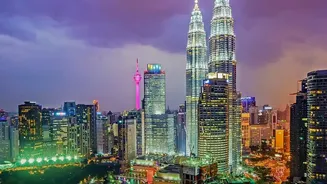
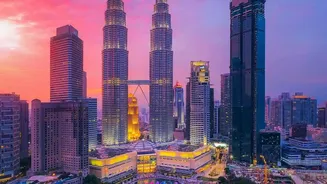
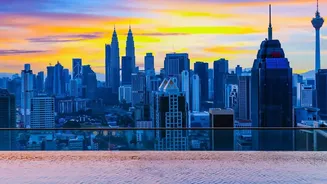
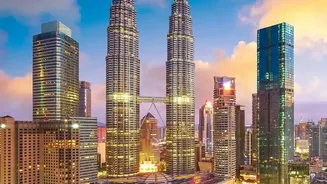
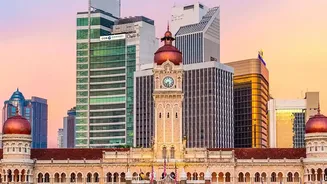
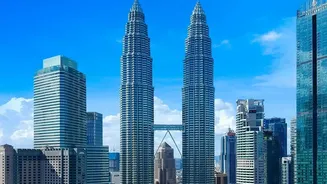
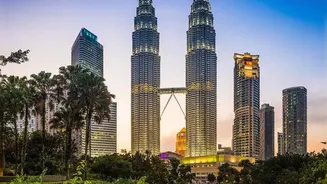
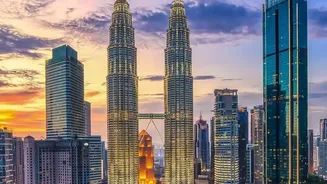
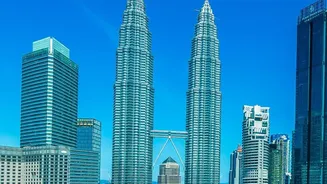
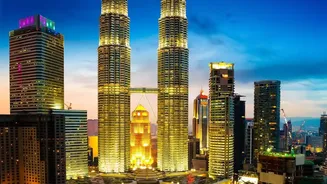
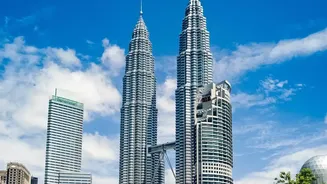
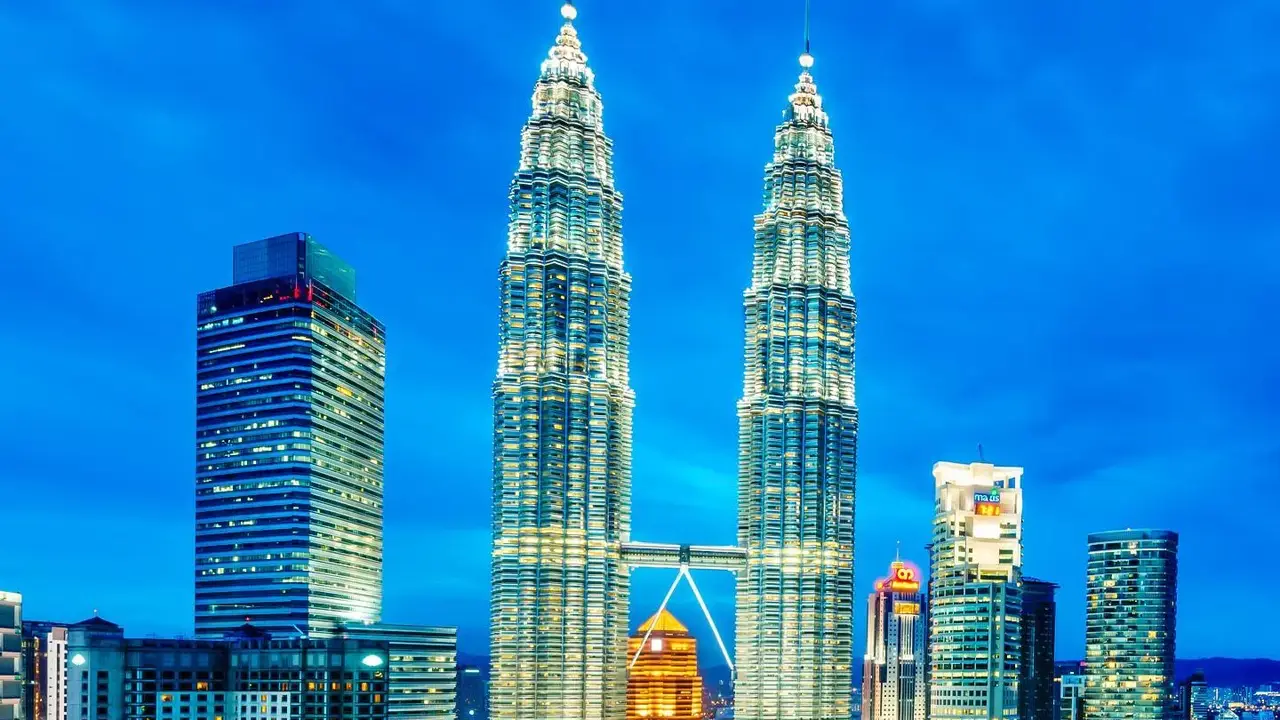
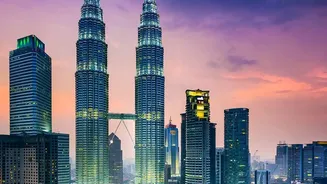
Your Malaysian adventure will likely begin in the capital, Kuala Lumpur. This city is a fantastic mix of modern skyscrapers and rich cultural heritage. Many of its top sights are free to enjoy. Marvel at the iconic Petronas Twin Towers from the KLCC Park below, a popular spot for both locals and tourists. A short train ride away are the Batu Caves, a stunning limestone hill with a series of caves and Hindu shrines, which you can enter for free, though be prepared for a steep climb. For a taste of local life, wander through the bustling streets of Chinatown and Little India, where you can find great food and bargain shopping. Don’t miss Merdeka Square (Independence Square), surrounded by impressive colonial-era buildings, and the nearby Islamic Arts Museum for a dose of culture. Getting around is easy with the KL Sentral station acting as a central hub for trains to almost every part of the city.
Next Up: The Island Charm of Penang
From Kuala Lumpur, the journey to the island of Penang is a classic backpacker route. The most economical way to travel is by bus, which takes about five to six hours and can cost as little as ₹600-₹1,200. Trains are another comfortable option, taking around four and a half hours. Once there, the heart of the action is George Town, a UNESCO World Heritage Site. The city is famous for its interactive street art murals; hunting for them on foot or by rented bicycle is a must-do activity. Beyond the art, take the funicular railway up Penang Hill for panoramic views of the island. Penang is arguably Malaysia’s food capital. Spend your evenings at sprawling hawker centres like Gurney Drive, sampling an incredible variety of dishes for just a few ringgits each. Backpacker accommodation is concentrated around Chulia Street and Love Lane, putting you right in the middle of the heritage zone.
Essential Backpacker Tips
To make your journey even smoother, keep a few pro-tips in mind. First, get a local SIM card upon arrival at the airport. Data plans are cheap and will be invaluable for navigation and using ride-sharing apps. When visiting mosques, like the National Mosque in Kuala Lumpur, or temples, always dress conservatively by covering your shoulders and knees. While major hotels and restaurants accept cards, Malaysia is still very much a cash-based society, especially at local markets and hawker stalls, so always have some Malaysian Ringgit on hand. Finally, while English is widely spoken in tourist areas, learning a few basic phrases in Bahasa Malaysia, like 'Terima Kasih' (Thank You), will be appreciated by locals and enrich your interactions.