



The New Himalayan Workstation
The remote work revolution has unlocked a new map of possibilities, and Gangtok is quickly becoming a highlighted destination. For years, digital nomads have sought out locales that offer a perfect blend of work and life, but few places combine affordability,
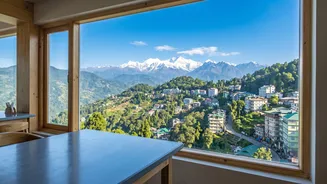
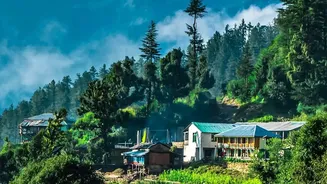
culture, and connectivity quite like Sikkim's capital. Professionals are discovering that a productive workday doesn't have to be spent in a cramped apartment or a noisy city cafe. Instead, it can unfold against a backdrop of the Himalayas, with crisp mountain air as a constant companion. This growing trend is supported by local initiatives aimed at making the region a hub for remote workers, including the development of India's first "Digital Nomad Village" in Yakten, just 30 kilometers from Gangtok, an initiative designed to offer reliable infrastructure in a serene, rural setting.
An Autumn Like No Other
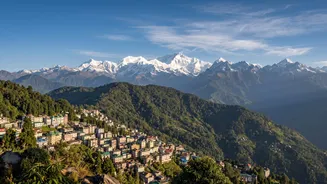
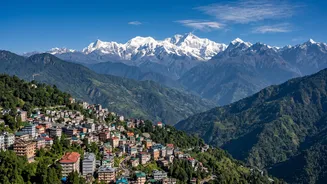
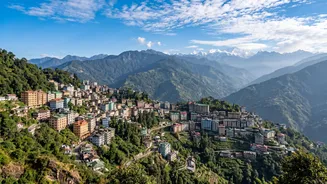
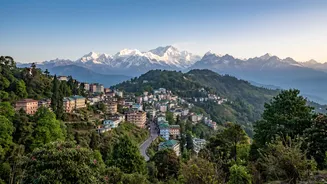
While many parts of India face fluctuating temperatures, Gangtok in autumn is a picture of stability and beauty. The months from September to November mark a sweet spot after the monsoons have washed the landscape clean and before the deep chill of winter sets in. During this period, the skies are typically clear, offering breathtaking, unobstructed views of the mighty Kanchenjunga. The weather is pleasantly cool, with temperatures hovering between 6°C and 18°C, ideal for both focused work and outdoor exploration. This post-monsoon clarity not only delights the eye but also makes activities like trekking and paragliding immensely popular, providing the perfect weekend escape after a long week of work. The city itself, draped in blooming cherry blossoms, feels alive and welcoming, a far cry from the urban grind many nomads are keen to leave behind.
The Digital Lifeline: Surprisingly Strong Broadband
For any digital nomad, the single most critical factor is internet connectivity, and this is where Gangtok has become a pleasant surprise. Once considered a remote outpost with patchy service, the city now boasts robust broadband infrastructure. Major providers like Jio and Airtel offer reliable fiber-optic and 4G/5G services, ensuring that video calls, large file transfers, and cloud-based work can proceed without a hitch. Many hotels, homestays, and modern cafes are equipped with high-speed Wi-Fi and power backups, catering specifically to the needs of remote professionals. This reliable digital backbone is the crucial element that makes working from this mountain paradise not just a dream, but a practical reality.
Rich Culture and a Peaceful Pace of Life
Beyond the practicalities, it is Gangtok's unique soul that truly captivates. The city is a harmonious blend of traditional Sikkimese, Nepali, and Tibetan Buddhist cultures. This is visible in its serene monasteries like Rumtek and Enchey, the vibrant pedestrian-only MG Marg, and the many festivals that light up the calendar. Autumn, in particular, hosts major celebrations like Dasain, which fills the streets with festive energy, family gatherings, and cultural performances. Unlike the often-impersonal nature of larger cities, Gangtok offers a sense of community and safety that is highly valued by long-stay visitors. The slower pace of life, combined with the inherent politeness and warmth of the local people, allows for a less stressful, more mindful existence where work and well-being can coexist.
Affordability and Accessibility
For those accustomed to the high costs of metropolitan living, Gangtok offers a significant financial reprieve. The cost of living is relatively low, with affordable options for long-term accommodation, including apartments and homestays. A single person can live comfortably for a fraction of the cost in a major city, with monthly expenses for groceries and transport being particularly low. Food is both inexpensive and a cultural adventure, from cozy cafes serving coffee and pastries to local eateries offering momos and thukpa. While reaching the mountains requires a journey, Gangtok is well-connected. The nearest major airport is Bagdogra in West Bengal, with a scenic 4-5 hour drive to the city. Pakyong Airport, closer to Gangtok, also offers some connectivity, making the transition from urban chaos to mountain calm more accessible than ever.