




Finding space for a meaningful workout at home can feel like a challenge, especially when you live in a compact apartment. But getting your steps in doesn't require a large room or a fancy treadmill. Let's explore how to make it work.
The Undeniable Benefits of Walking
Walking is a powerhouse
of a workout hidden in a simple package. It's a low-impact activity, meaning it's gentle on your joints, which makes it accessible for nearly all fitness levels. Regular walking strengthens your heart, helps lower blood pressure, and can improve cholesterol levels. Beyond the physical, it’s a proven mood-booster and stress-reducer, helping to ease anxiety and improve sleep. The best part? You can reap these benefits without ever leaving your home. An at-home walking workout offers convenience and consistency, removing barriers like bad weather, dark evenings, or the lack of a safe outdoor path. It’s a reliable way to ensure you meet your daily movement goals.
Mastering the Moves in a Small Space
An effective at-home walking session is more than just marching in place. To get the most out of it, you need to think about movement variety. You don't need a lot of room, just enough to take a few steps in each direction. Think of it as creating a mini-circuit in your living room. You can march forward and backward, take side-steps, or even trace a small square or circle. The key is to keep your body moving. Focus on good form: stand tall, keep your core engaged, and relax your shoulders. Even simple variations like high knees, leg curls, and skaters can be incorporated to work different muscle groups and keep your heart rate up. Many guided walking workouts available online are specifically designed for small spaces and can provide a structured routine to follow.
How to Increase the Intensity
Once you're comfortable with the basic movements, it’s time to turn your walk into a more challenging workout. The easiest way to do this is by engaging your upper body. Pumping your arms vigorously not only helps increase your heart rate but also burns more calories. Holding light weights—or even water bottles or cans of food—while you do bicep curls or shoulder presses can add a strength-training element to your cardio. Another highly effective technique is interval training. Alternate between periods of fast paced walking or marching and slower recovery periods. For example, walk at a brisk pace for two minutes, then at a more moderate pace for four minutes, and repeat. If you have stairs, incorporating them into your routine is a fantastic way to boost intensity and build lower body strength.
Keeping Boredom at Bay
Let's be honest: walking in place can get monotonous. The key to sticking with it is to make it enjoyable. One of the most popular methods is what some psychologists call 'temptation bundling': pairing your workout with an activity you love. This could mean only allowing yourself to watch your favourite TV series while you're walking, or saving a compelling podcast or audiobook for your workout time. Creating a high energy music playlist can also make a huge difference, as studies have shown music can distract from fatigue and even boost performance. There are countless free, follow along walking videos online that offer variety, energetic instructors, and new moves to keep things fresh and engaging. By giving your mind something to focus on, the time will pass much more quickly.
Do You Really Need Equipment?
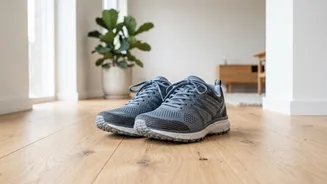
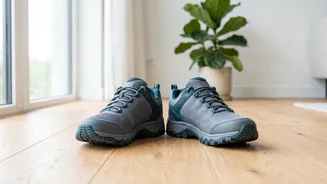
While walking pads and under desk treadmills have become popular for at home fitness, they are by no means a necessity for a great walking workout. You can achieve an effective, heart pumping session using just your body weight. The techniques for increasing intensity—like using your arms, adding intervals, and incorporating movements like high knees and skaters—require no equipment at all. The most important pieces of 'equipment' are a pair of supportive shoes and comfortable, breathable clothing to ensure you can move freely and safely. The focus should be on consistency and effort. Once you've established a routine, you can consider investing in equipment if you wish, but it’s not a prerequisite for getting started and seeing results.