







A Greener India on the Horizon
In what seems like a counterintuitive outcome of a warming world, India is projected to see a significant increase in its vegetation cover in the coming decades. A recent study led by the Indian Institute of Tropical Meteorology (IITM) in Pune, using
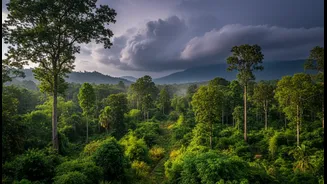
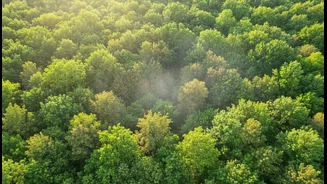
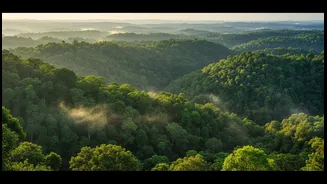
the latest generation of climate models (known as CMIP6), forecasts that the country's overall plant growth will accelerate. Researchers found that Gross Primary Production (GPP)—a measure of how much carbon dioxide plants absorb—is projected to nearly double by the year 2100 under a high-emission scenario. This greening trend is expected to be most pronounced in regions that are already lush, such as the Indo-Gangetic Plain, Northeast India, and the Western Ghats.
The Science Behind the Greening
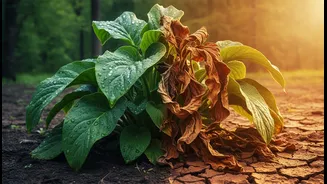
Two main factors are driving this phenomenon. The primary driver is the 'CO2 fertilization effect'. With more carbon dioxide in the atmosphere, plants essentially have more food, which boosts photosynthesis and stimulates growth. It’s akin to putting plants in a supercharged greenhouse. The second factor is a projected increase in rainfall over many parts of India, as predicted by the newer, more sophisticated climate models. More rain, combined with more CO2, creates favourable conditions for vegetation to thrive. While hotter years can still cause stress and suppress growth, the long-term trend points towards a significant net increase in plant biomass across the subcontinent.
The Paradox of Plenty for Urban Planners
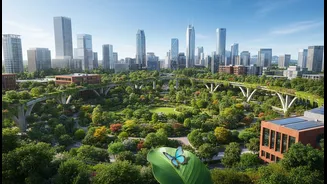
On the surface, a greener India sounds like fantastic news. More trees and plants absorb more carbon, potentially helping to mitigate climate change. However, this is where the new planning question emerges, especially for India's rapidly expanding cities. Unmanaged, accelerated vegetation growth can create a host of problems. While green cover is desperately needed to combat the urban heat island effect, not all greening is beneficial. Increased growth can mean more aggressive root systems that damage pavements, building foundations, and underground utilities. It can also lead to a higher demand on already strained water resources, particularly if the greening is driven by water-intensive agriculture or non-native plant species. Furthermore, while some studies suggest the greening may reduce ecological drought, researchers caution this doesn't automatically mean ecosystems are healthier or more resilient.
The New Questions for India's Cities
This forecast forces urban planners, architects, and municipal bodies to move beyond a simple mantra of 'more trees are better'. The new challenge is not just about quantity, but about quality, location, and management. Planners must now ask: What kind of vegetation should we be encouraging? Are we planting native, drought-resistant species that support local biodiversity, or are we introducing species that will become invasive or demand too much water? How do we design urban infrastructure to coexist with more vigorous plant life? In a country where urban green space is already under threat from real estate pressures, the challenge is to integrate this new reality into master plans. It requires a shift from passive greening to active, intelligent green infrastructure design.
Adapting to an Era of Abundance
The path forward involves a more nuanced approach to urban forestry and greening. This includes updating municipal bylaws to account for more robust plant growth and selecting species that provide maximum ecological benefit with minimal infrastructural risk. It also means protecting existing, ecologically valuable spaces like grasslands and marshlands, which are often misclassified as 'wasteland' but play a crucial role in flood regulation and supporting wildlife. As researchers caution, a greener landscape doesn't cancel out the negative impacts of climate change, such as extreme heat and biodiversity loss. The goal is to harness the benefits of increased vegetation while mitigating the associated risks through smarter, climate-aware planning.