

The Foundation: More Than a Wipe-Down
Effective kitchen cleaning is about more than just a tidy space; it's the first line of defense against foodborne illness. While wiping up spills is good, a deeper clean is necessary to eliminate harmful bacteria like E. coli and Salmonella that can linger
on surfaces. Start with the basics: wash your hands with soap and warm water for at least 20 seconds before, during, and after handling food. This is especially critical after touching raw meat, poultry, or eggs. Next, adopt a two-step approach for surfaces. First, clean countertops, cutting boards, and sinks with hot, soapy water to remove grease and food particles. Then, sanitize them. A simple and effective sanitizing solution can be made at home by mixing one teaspoon of unscented household bleach into three cups of cool water in a spray bottle. Spray the surfaces, let it sit briefly, then rinse with clean water and let it air dry. Remember to wash dishcloths and sponges frequently in the hot cycle of your washing machine, as they are notorious for harboring bacteria.
Avoiding Danger: The Rules of Separation
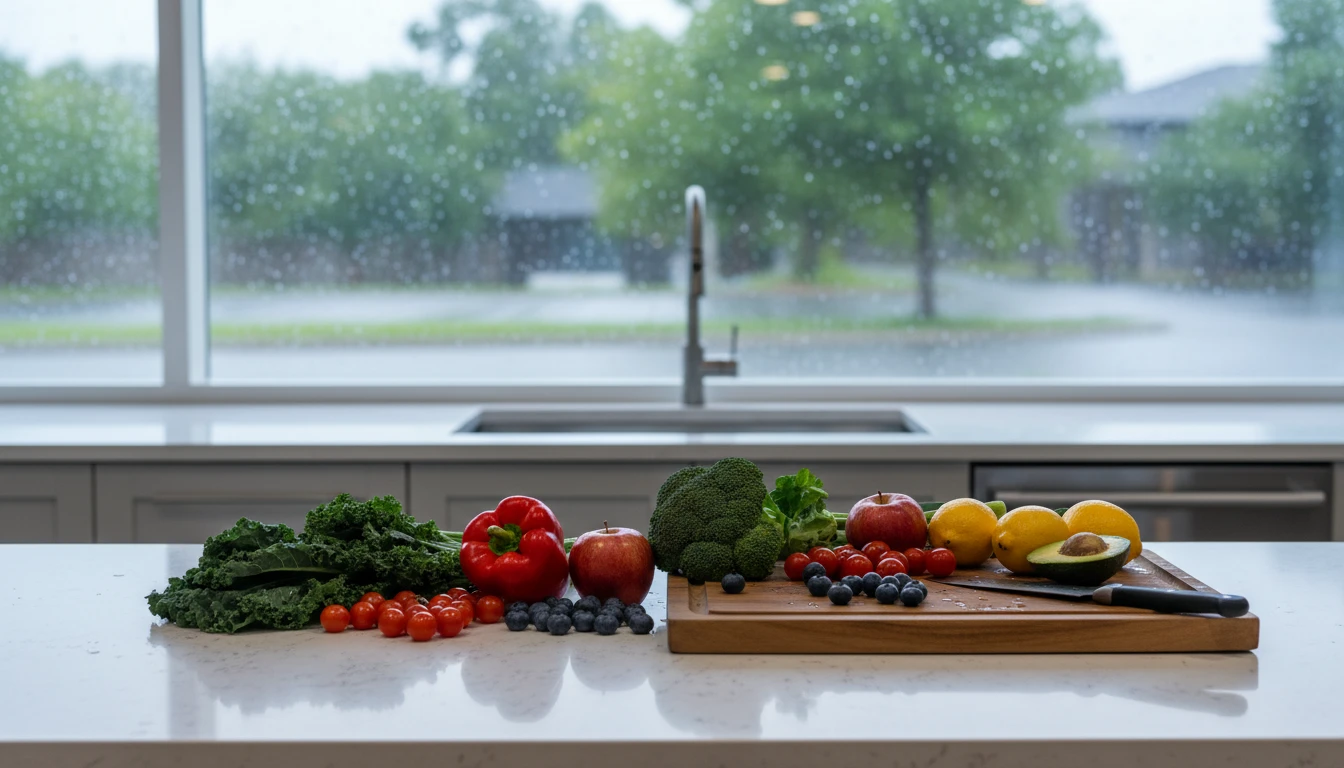
Cross-contamination is the transfer of harmful bacteria from one food, utensil, or surface to another. It's a primary cause of food poisoning, but it's easily preventable with a few simple habits. The most important rule is to keep raw meat, poultry, seafood, and eggs separate from ready-to-eat foods like fruits, vegetables, and cooked items. This separation should start in your grocery cart and continue into your refrigerator and onto your countertops. Using separate cutting boards is a highly effective strategy; designate one for raw meats and another for produce and other ready-to-eat items. If you only have one, be sure to wash and sanitize it thoroughly after preparing raw meat and before using it for anything else. Never place cooked food back on a plate or surface that previously held raw meat. Wash all utensils, plates, and surfaces that came into contact with raw ingredients with hot, soapy water. Finally, a common mistake is washing raw poultry or meat. This doesn't remove bacteria and can actually splash contaminated water onto your sink and counters, increasing the risk of cross-contamination.
The Final Step: Smart and Safe Storage
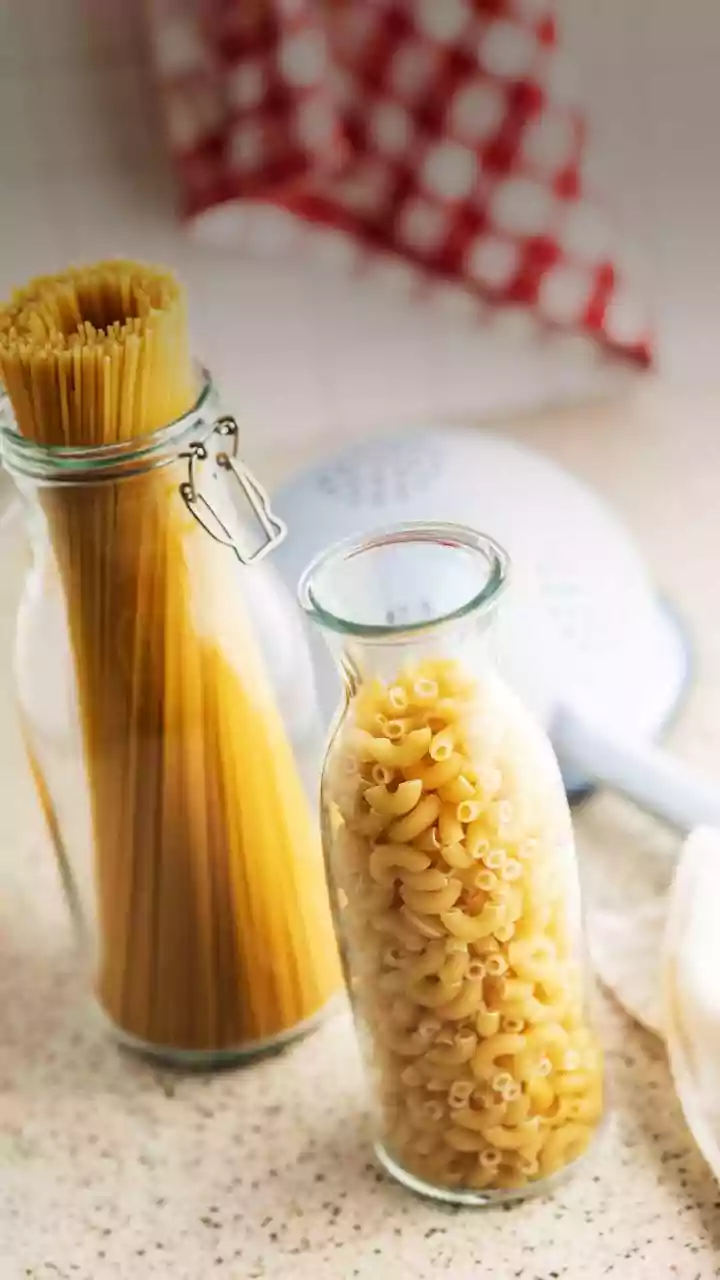
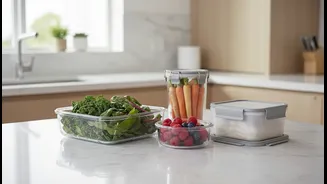
Proper food storage is the final pillar of a safe kitchen, preserving food quality and preventing the growth of dangerous microbes. The golden rule is to keep cold foods cold and hot foods hot. Your refrigerator should be set at or below 4°C (40°F), and your freezer at -18°C (0°F). Perishable foods like meat, dairy, and cooked leftovers should never be left at room temperature for more than two hours—or one hour if it's a hot day. When storing items in the fridge, organisation matters. Always store raw meat and poultry in sealed containers or on a plate at the bottom of the refrigerator. This prevents their juices, which can contain bacteria, from dripping onto and contaminating other foods below. Leftovers should be stored in clean, shallow, airtight containers to cool down quickly and prevent contamination. Finally, pay attention to labels and 'use-by' dates, and when in doubt about a food's safety, the best practice is to throw it out.