



The Classic Food Dilemma
We've all been there. You're trying to eat clean, track your macros, and cut down on simple carbohydrates. Then, the craving for a hot, crispy dosa hits. The traditional dosa, typically made from a fermented batter of rice and urad dal, is a beloved South
Indian staple that has conquered the entire country. While delicious and satisfying, its primary ingredient—polished white rice—makes it high in carbohydrates and gives it a high glycemic index. This means it can cause a rapid spike in blood sugar, followed by a crash, which is exactly what fitness enthusiasts and those managing their weight try to avoid. For years, the choice seemed binary: either indulge in your favourite comfort food or stick to your strict diet of salads and grilled chicken. It felt like a culinary compromise, a small sacrifice in the name of health.
Enter the High-Protein Hero
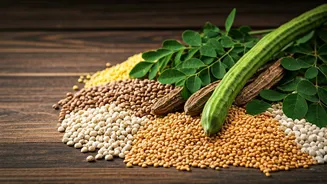
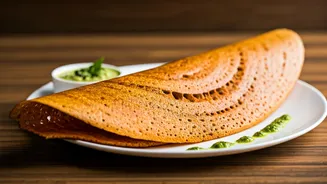
The dish turning heads and winning over gym-goers is not one single recipe, but a category of re-engineered dosas. The most prominent among them is the millet dosa. Riding the wave of the government's push for 'superfoods' like ragi (finger millet), jowar (sorghum), and bajra (pearl millet), cafes and home cooks are swapping out rice for these nutrient-dense grains. The result is a dosa that retains the delightful crispiness and fermented tang of the original but comes with a massively upgraded nutritional profile. It’s a simple, brilliant substitution that aligns perfectly with modern wellness goals without sacrificing cultural authenticity. This isn’t about replacing a classic; it’s about evolving it for a new generation of health-aware Indians.
The Nutritional Upgrade Explained
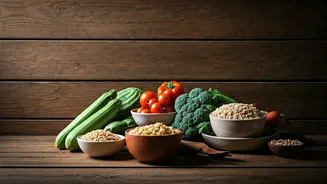
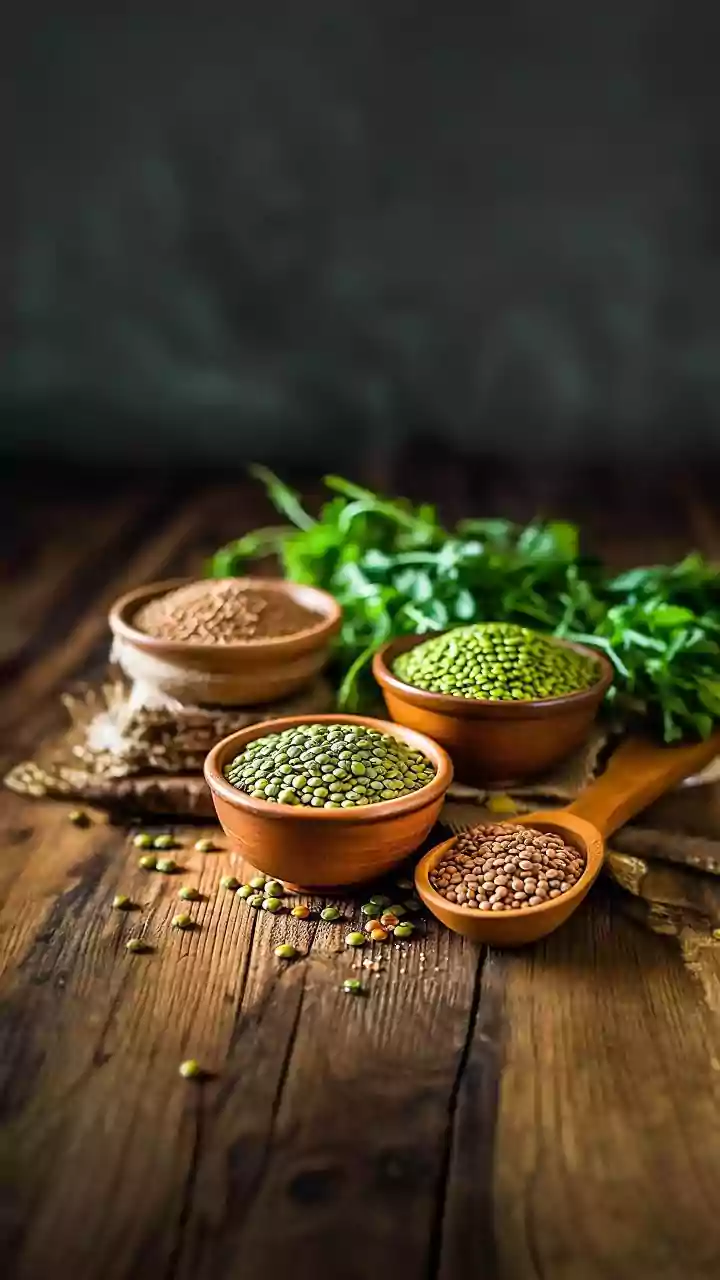
So, what makes the millet dosa a superior choice for the fitness crowd? The benefits are threefold. First, protein. Millets and other alternative bases like moong dal (in Pesarattu) or a mix of lentils (in Adai) are significantly higher in protein than white rice. Protein is crucial for muscle repair and growth, making it a post-workout favourite. Second, fibre. These grains are packed with dietary fibre, which aids digestion, promotes a feeling of fullness (helping with portion control), and ensures a slow release of energy. This eliminates the sugar spike and subsequent energy slump, providing sustained fuel for a busy day or a gruelling workout. Third, a lower glycemic index (GI). Foods with a lower GI release sugar into the bloodstream more slowly, which is beneficial for blood sugar management, sustained energy, and overall metabolic health. Add to that a higher concentration of essential minerals like iron, magnesium, and calcium, and you have a certified super-dosa.
Beyond Millets: A Family of Healthy Variants
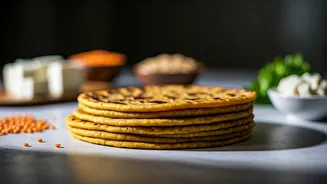
While millet dosas are leading the charge, they are part of a larger family of traditional, healthy Indian crepes that are seeing a resurgence. The Pesarattu, an Andhra speciality made from whole green moong dal, is a zero-rice, high-protein powerhouse that has been around for centuries. Similarly, the Adai dosa from Tamil Nadu, made with a coarse batter of mixed lentils like toor dal, chana dal, and urad dal, offers a robust, protein-rich, and fibre-heavy meal. Some modern kitchens are even experimenting by adding a scoop of unflavoured whey protein to their standard batter or using quinoa and oats as a base. This trend isn't about one magic ingredient but a broader mindset shift: looking within our own culinary heritage to find naturally nutritious solutions.
Why Fitness Enthusiasts Are Hooked
For the disciplined fitness enthusiast, this reinvented dosa is the perfect meal. It’s versatile enough to be a pre-workout snack for energy or a post-workout meal for recovery. It's a complete meal that provides complex carbohydrates, protein, and fibre. Unlike a bland protein shake or a repetitive salad, it’s flavourful, satisfying, and connects with a sense of cultural comfort. It allows them to enjoy a family meal without feeling like they are 'cheating' on their diet. Social media is now filled with fitness influencers sharing their 'protein dosa' recipes, and health-conscious cafes from Bengaluru to Gurugram have added millet and adai dosas to their menus, cementing their place as a mainstream health food.