






The Core vs. The Buffer
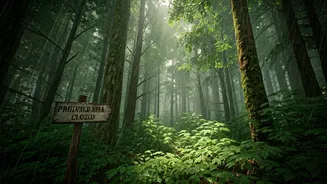
To understand monsoon safaris, it's essential to know the layout of a tiger reserve. Every reserve is divided into two main parts: the core and the buffer. The core area is the most protected, central part of the forest, kept free from human settlement
to serve as a critical, undisturbed habitat for wildlife. Surrounding this is the buffer zone, an area that acts as a protective layer. Here, limited human activity, including regulated tourism, is permitted, and it's a space where wildlife and local communities often coexist. Animals don’t recognise these man-made boundaries and frequently move between the two zones.
The Myth of the Monsoon Shutdown
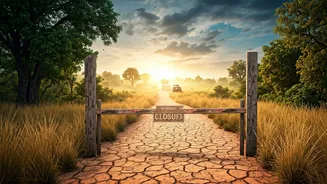
Most national parks in India close their core zones from June or July until September or October. This is for crucial ecological reasons: the heavy rains make dirt tracks unsafe for safari vehicles, and it's a vital breeding period for many species who need privacy. It also allows the forest to regenerate without human interference. However, this doesn't mean the wilderness is off-limits. Many parks keep their buffer zones open for safaris, providing a fantastic alternative for experiencing the jungle. Parks like Tadoba, Pench, Ranthambore, and Satpura have well-managed buffer zones that welcome visitors during the rains.
A Landscape Reborn
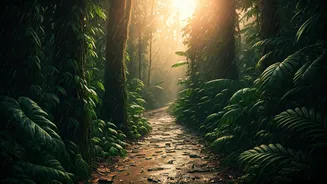
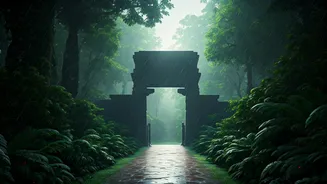
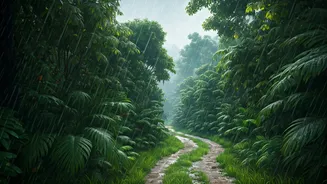
A monsoon safari is a feast for the senses. The parched landscapes of summer are transformed into a vibrant, emerald paradise. The air is fresh and clean, the dust settles, and everything is washed in a soft, diffused light that is a photographer's dream. Seasonal streams and waterfalls come to life, and the forest floor is covered in a carpet of green. This lush environment offers a completely different, more dramatic backdrop for wildlife viewing compared to the dry season. The entire ecosystem feels alive and rejuvenated, from the trees to the insects and amphibians that emerge in the wet conditions.
Surprising Wildlife Encounters
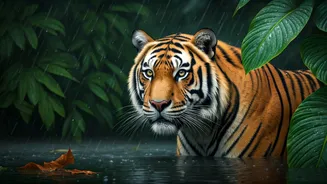
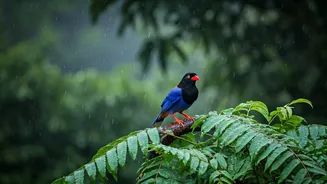
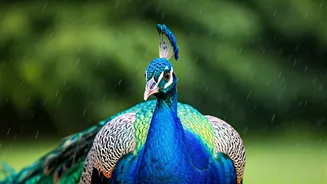
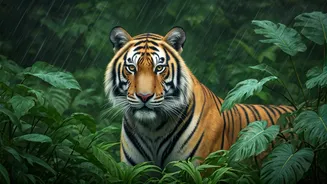
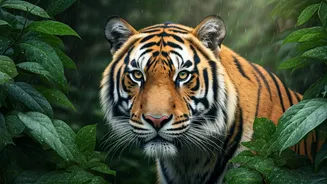
While the high summer heat forces animals to congregate around scarce waterholes, the monsoon disperses them across the forest where water is plentiful. This can make sightings different, but no less rewarding. In fact, some animals become more active due to the cooler temperatures. As parts of the core zone can get waterlogged, animals often move to drier patches in the buffer zones. Herds of deer and gaur are commonly seen grazing in the green meadows. Birdwatching is particularly phenomenal, as many species are more active. While tiger sightings might be less predictable due to the dense foliage, they are still possible, as are encounters with leopards, sloth bears, and wild boars.
Fewer Crowds and Deeper Connection
One of the biggest advantages of a monsoon safari is the peace and quiet. With fewer tourists, the experience becomes far more intimate and personal. You're less likely to be jostling for position with a dozen other jeeps at a sighting. This serene atmosphere allows you to truly immerse yourself in the sounds and smells of the jungle. You can hear the bird calls more clearly and enjoy a tranquil journey through the forest, making the entire experience feel more exclusive and profound.
Supporting Local Economies Year-Round
Buffer zone tourism during the monsoon plays a crucial role in providing a stable, year-round income for local communities. Many people who live in the villages surrounding national parks depend on tourism for their livelihoods, working as safari guides, jeep drivers, and staff at lodges. When safaris continue in the buffer zones, these communities continue to earn, supporting their families and strengthening the symbiotic relationship between conservation and local welfare. This ensures that locals remain invested in protecting the forest and its inhabitants.