
What is an Olla?
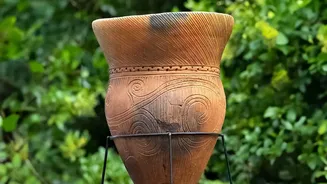
An olla (pronounced 'oy-yah') is simply an unglazed terracotta pot that is buried in the soil and filled with water. It’s an ancient irrigation method, used for thousands of years in arid climates across the world, from North Africa to China. The concept
is brilliantly simple: the pot acts as a water reservoir, slowly releasing moisture directly into the soil. With only the neck of the pot visible above the surface, it’s a discreet and highly effective way to water plants. This technique is now seeing a resurgence among urban gardeners who face the unique challenges of keeping container plants healthy.
The Science of Slow-Release Watering
The magic of the olla lies in the porous nature of unglazed clay. The pot's walls are filled with tiny holes that allow water to seep out slowly. This process isn't a constant leak; it's regulated by a principle called soil moisture tension. When the surrounding soil is dry, the soil and the plant's roots effectively 'pull' water out of the olla. Conversely, if the soil is already moist after a rain shower, the water stays inside the pot until it's needed again. This self-regulating system ensures that plants get a consistent supply of moisture right at the root zone, preventing the stress cycles of drying out and then being overwatered.
Why Ollas are a Balcony Gardener's Best Friend
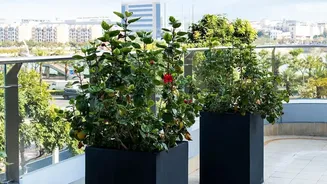
Container gardens on balconies dry out much faster than in-ground beds. They are exposed to more wind and heat, which increases evaporation from the soil surface. Ollas solve several of these problems at once. By delivering water underground, surface evaporation is almost entirely eliminated, which can reduce water usage by up to 70% compared to surface watering. This method also encourages roots to grow deeper and stronger as they seek out the water source. Keeping the soil surface dry also has the added benefit of discouraging weed growth and reducing the likelihood of fungal diseases on plant leaves. For busy urbanites, it means less time spent watering and healthier, more resilient plants.
How to Use Ollas in Your Pots
Using an olla in a container is straightforward. For best results, choose a pot that is at least 12 inches in diameter to ensure there's enough room for both the olla and the plant's roots. When planting, place the olla in the pot first, burying it up to its neck, and then add your soil and plants around it. Fill the olla with water and place a small rock or a lid over the opening to prevent evaporation and stop mosquitoes from breeding. Depending on the size of the olla, the plant, and the weather, you may only need to refill it every few days to once a week. A single medium-sized olla can typically water a radius of about 18 to 24 inches.
Best Plants and DIY Options
Ollas work wonderfully for thirsty plants with fibrous root systems. Vegetables like tomatoes, peppers, squash, and herbs such as basil and mint thrive with this consistent moisture. Tomatoes, in particular, benefit greatly as the steady water supply helps prevent issues like blossom end rot and fruit cracking. You don't necessarily need to buy a purpose-built olla. A simple DIY version can be made from a standard unglazed terracotta pot by plugging the drainage hole with a waterproof sealant. For a larger capacity, two pots can be glued together rim-to-rim after sealing the hole on one of them.