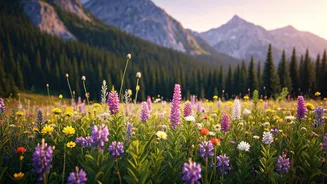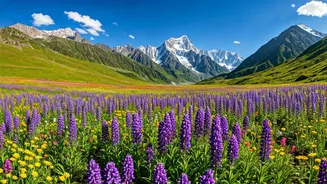

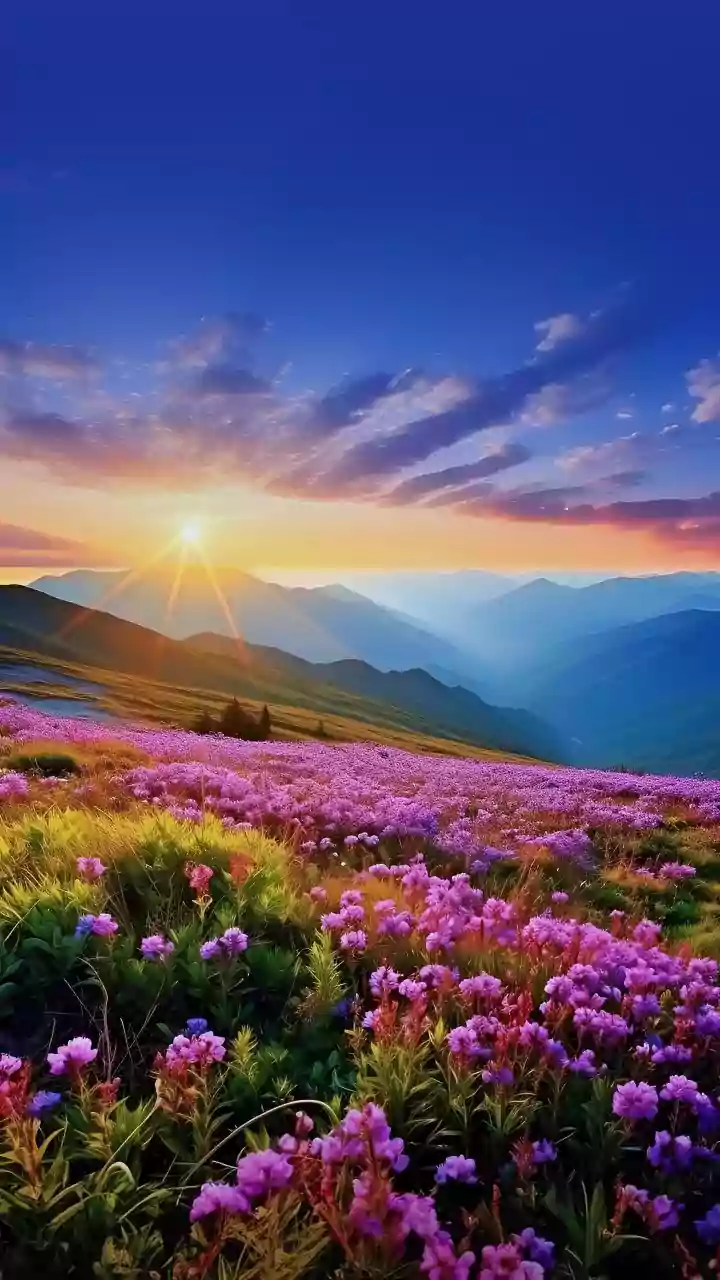


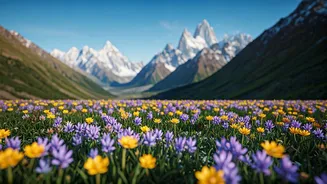
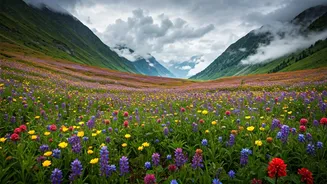
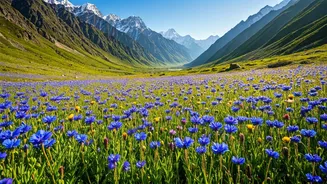


A Symphony of Colours Unveiled
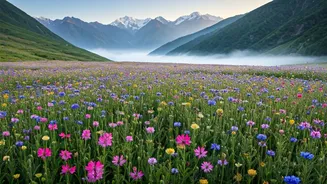
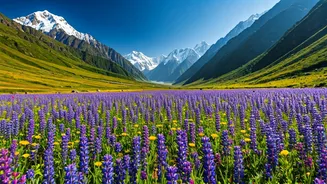
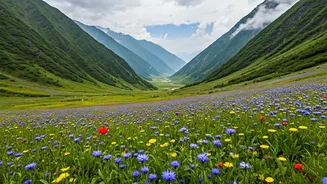
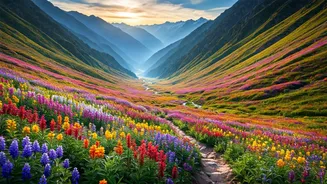
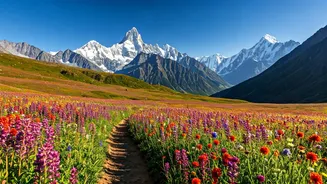
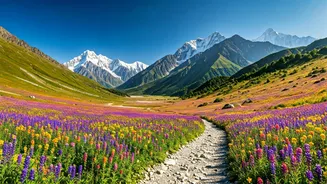
The Valley of Flowers is a UNESCO World Heritage Site, and for good reason. For just a few months each year, this high-altitude meadow bursts into life, showcasing over 600 species of wildflowers. After being covered in snow for most of the year, the valley
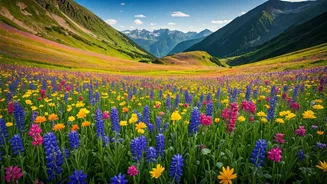
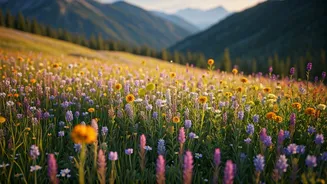
opens to visitors around June 1st. However, the most spectacular display occurs during the monsoon season, when the rains coax millions of seeds to germinate, painting the landscape in every imaginable hue. This fleeting spectacle of nature is what draws thousands of trekkers, botanists, and photographers to this remote paradise annually.
The Prime Time for a Visit
While the park is open from early June to early October, the undisputed best time to witness this floral extravaganza is from mid-July to mid-August. This period is considered the peak bloom season. Good monsoon forecasts for 2026 suggest that the bloom is expected to be exceptionally vibrant this year. In July, the valley is lush and green, with early bloomers like primulas, geraniums, and anemones creating a colourful tapestry. As August arrives, the famous Himalayan Blue Poppy makes its appearance, alongside the rare and sacred Brahma Kamal, which often blooms closer to the higher-altitude Hemkund Sahib lake.
The Journey to Paradise
Reaching the Valley of Flowers is an adventure in itself. The journey starts with a drive from a major hub like Rishikesh or Dehradun to Govindghat in the Chamoli district. From Govindghat, a short drive takes you to Pulna, the starting point of the trek. A well-maintained but demanding trek of about 10-13 kilometers along the Pushpawati River leads to Ghangaria, a small hamlet that serves as the base camp for visitors. The final leg is a 3-4 kilometer trek from Ghangaria into the valley itself, where entry is regulated between 7 AM and 5 PM, with no overnight camping allowed.
Essential Planning and Logistics
A trip to the Valley of Flowers requires some planning. The nearest airport is Jolly Grant in Dehradun, and the closest railway station is in Rishikesh. From there, it's a long road journey to Govindghat. Permits are mandatory and can be obtained at the forest department checkpoint in Ghangaria. As Ghangaria is the only place to stay, it's crucial to book accommodation in advance, especially during the peak season of July and August. One can hire porters or mules to carry luggage up to Ghangaria, making the steep ascent more manageable for trekkers.
Beyond the Blooms: Hemkund Sahib
Many trekkers combine their visit with a trip to Hemkund Sahib, a revered Sikh Gurudwara located at an altitude of over 4,300 meters. A separate, challenging trek from Ghangaria leads to a stunning glacial lake surrounded by seven snow-capped peaks, beside which the Gurudwara stands. This spiritual site offers not only profound peace but also a chance to spot high-altitude flowers like the Brahma Kamal, which are more common here than in the valley itself. The combination of the ethereal beauty of the valley and the spiritual aura of Hemkund Sahib makes for a truly unforgettable Himalayan experience.