

The Current Monsoon Scene
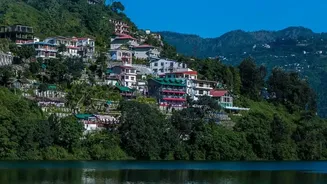
This July has seen exceptionally heavy rainfall across Maharashtra's Western Ghats, with some areas receiving historic downpours. Locations like Lonavala and Mahabaleshwar have recorded staggering amounts of rain, wiping out earlier deficits and bringing
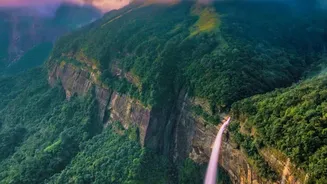
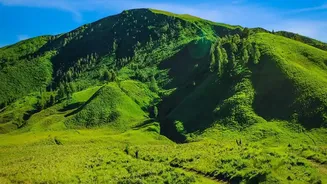
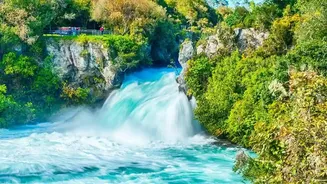
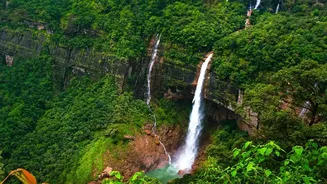
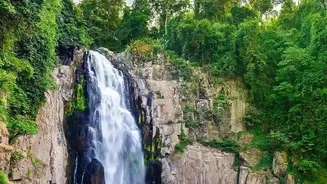
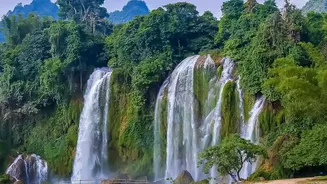
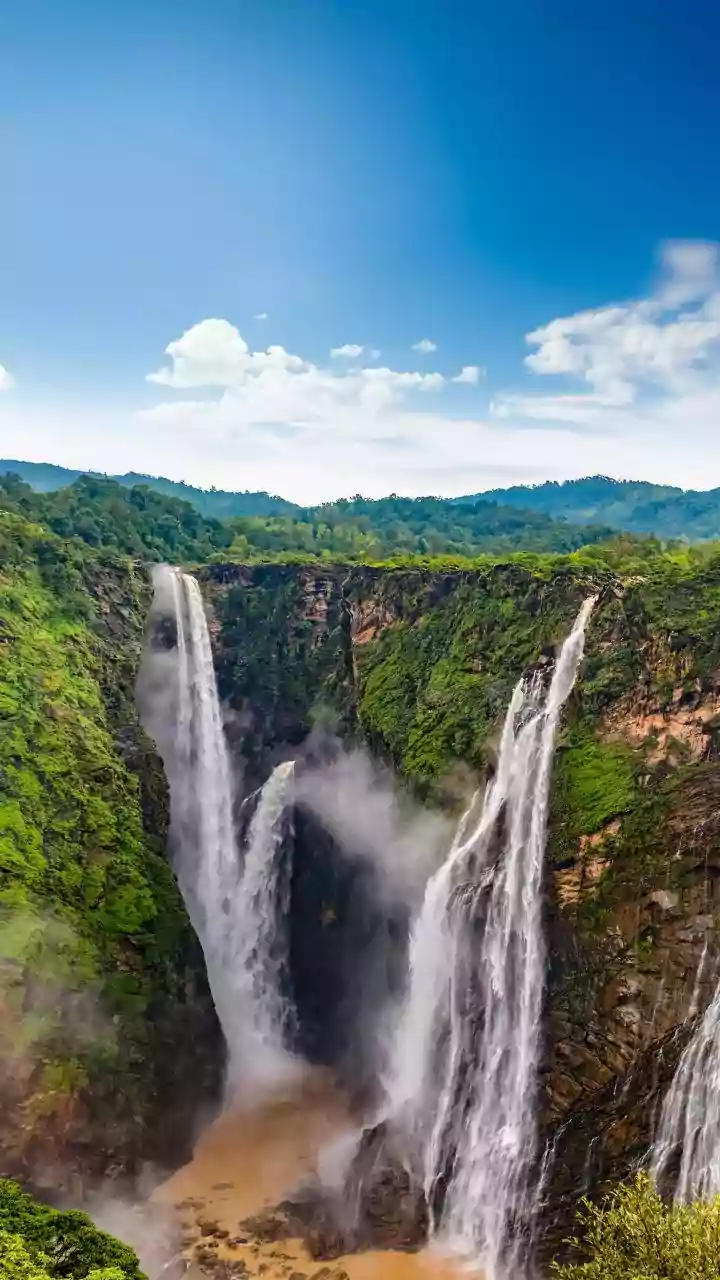
waterfalls to their roaring peak. This intense weather, driven by a combination of El Niño and a warm Arabian Sea, has created a breathtaking natural spectacle. The result is a surge in tourism, as residents from Mumbai, Pune, and beyond flock to witness the cascading water and misty hills. However, this beauty comes with risks, as authorities have issued numerous safety warnings and even closed access to some spots due to dangerous conditions.
Lonavala and Khandala: The Classic Choice
The twin hill stations of Lonavala and Khandala remain the undisputed favourites for a quick monsoon getaway from Mumbai and Pune. The area's accessibility is its biggest draw, but also its biggest challenge, with Bhushi Dam and Tiger Point experiencing significant crowds on weekends. Recent heavy rains, with Lonavala recording over 1200 mm in just two days earlier in July, have made the local waterfalls like Kune Falls exceptionally powerful. While the views are spectacular, the tourist rush has prompted authorities to implement safety restrictions, particularly around popular spots like Lohagad Fort and Bhushi Dam, prohibiting entry into fast-flowing water and taking selfies at dangerous cliff edges.
Bhandardara: For Majestic and Powerful Falls
For those seeking a more dramatic and slightly less crowded experience, Bhandardara is a prime destination. It is home to the mighty Randha Falls, which becomes a formidable cascade during the monsoon as the Pravara River plunges into a deep gorge. The area, nestled in the Sahyadris, also features the serene Arthur Lake and the historic Wilson Dam. It is considered a perfect retreat for nature lovers looking for a quieter holiday. The best time to visit is between July and September, when the waterfall is at its most powerful, offering a majestic sight for photographers and road-trippers alike.
Malshej Ghat: A Trekker's Paradise
Malshej Ghat is renowned for its stunning natural beauty, especially during the monsoon when countless waterfalls appear around every bend. It is a haven for trekkers, offering routes for all skill levels. The Kalu Waterfall, one of the largest in the region, is a major attraction, with treks leading through lush forests and across streams to reach it. Another unique phenomenon here is the Naneghat "reverse waterfall," where strong monsoon winds push water droplets upwards, creating a gravity-defying illusion. While some trails may have restrictions, Malshej Ghat continues to operate under controlled permits, making it a key destination for adventurers.
A Word on Safety: Enjoying the Monsoon Responsibly
The allure of monsoon waterfalls is undeniable, but it comes with significant dangers. Sudden flash floods are a real and present threat, as evidenced by recent incidents where tourists were stranded or tragically swept away by rapidly rising water levels. The Pune Forest Department and other local authorities have issued advisories urging extreme caution. Visitors are warned not to enter fast-flowing water, avoid slippery cliff edges, and heed all warning signs. Several popular spots, like Pandavkada Falls and Gawli Dev Waterfall, have been closed to the public entirely due to safety concerns. Before planning any trip, always check the latest weather forecasts and local advisories. Traveling with experienced guides, wearing proper footwear, and informing family of your itinerary are crucial steps for a safe experience.