




Understanding the Mediterranean Philosophy
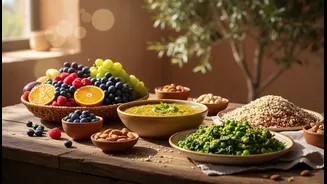
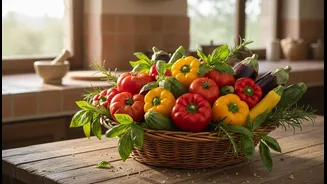
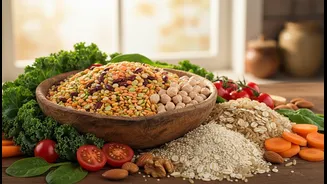
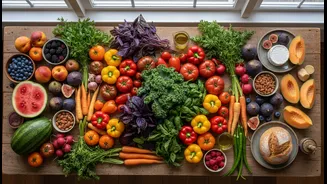
The Mediterranean diet isn't a strict rulebook; it's a flexible way of eating that emphasizes whole, plant-based foods, healthy fats, and lean proteins. Instead of focusing on what to eliminate, it encourages what to add: an abundance of vegetables, fruits,
legumes, whole grains, nuts, and seeds. Fish and poultry are eaten in moderation, while red meat and processed foods are limited. The good news is that many traditional Indian food practices already align with these principles, making the adaptation less of a leap and more of a simple, mindful shift in choices.
Swap Your Fats, Not Your Flavours
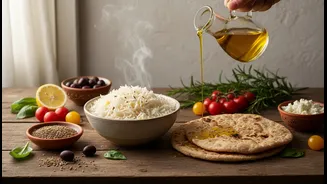
One of the cornerstones of the Mediterranean diet is its use of healthy unsaturated fats, which combat inflammation and support heart health. While extra virgin olive oil is the star in Mediterranean countries, Indian kitchens have their own healthy alternatives. Instead of using refined vegetable oils for everyday cooking, consider switching to locally available options like mustard oil or groundnut oil. Ghee, a staple in many Indian homes, can still be used sparingly for its flavour. The goal isn't to eliminate traditional fats entirely but to prioritize healthier, less-processed options for the majority of your meals.
Reimagining the Indian Thali
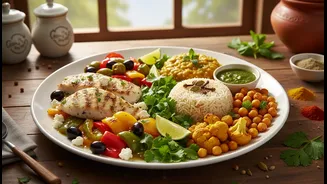
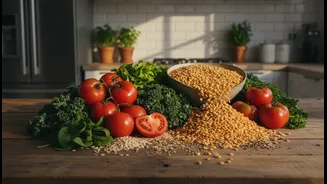
A simple way to apply Mediterranean principles is to adjust the proportions on your plate. Aim to fill half your thali with vegetables—both cooked sabzis and fresh salads. One quarter should be dedicated to lean protein, and the final quarter to whole grains. This structure is already familiar to Indian dining. The key is to make vegetables the star of the meal, not just a side dish. Your protein can come from dals, chickpeas (chana), kidney beans (rajma), or paneer, all of which are staples in Indian cuisine. For non-vegetarians, fish and chicken are excellent choices.
Embrace Whole Grains and Millets
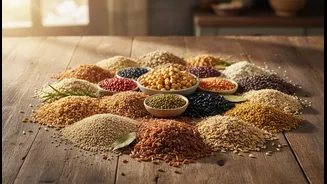
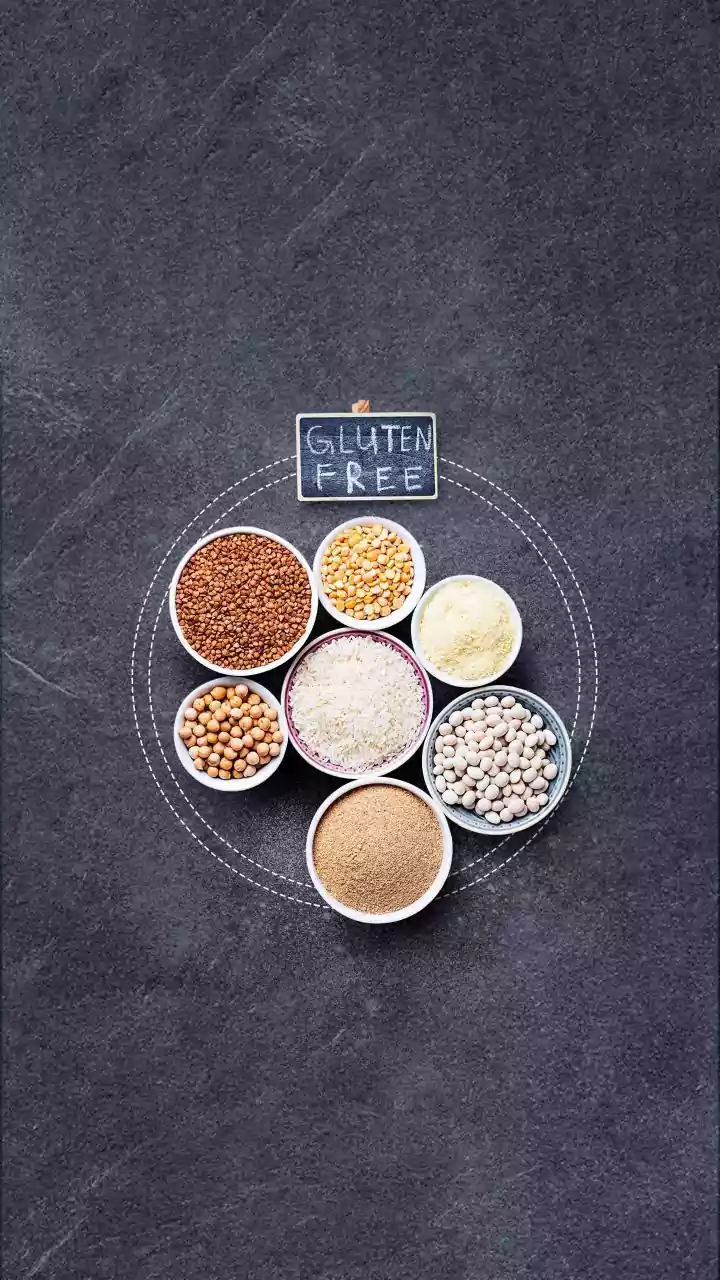
The Mediterranean diet favors whole grains over refined carbohydrates. This is an easy and effective swap in an Indian context. Instead of white rice, opt for brown rice, which is higher in fibre. When making rotis or chapatis, use whole wheat flour (atta) or, even better, incorporate millet flours like ragi, jowar, or bajra. These grains not only provide more nutrients but also help you feel fuller for longer, which can aid in weight management. This small change preserves the comforting ritual of eating roti and rice while significantly boosting the meal's health factor.
Lean into India's Plant-Protein Power
Indian cuisine is celebrated for its incredible variety of vegetarian dishes, which aligns perfectly with the plant-forward focus of the Mediterranean diet. Legumes like lentils (dal), chickpeas, and beans are packed with protein and fibre, making them a cornerstone of a healthy diet. Make dal a daily habit and incorporate dishes like chana masala and rajma into your weekly rotation. These foods are not only nutritious and affordable but are already beloved comfort foods, proving that you don't need to look for foreign ingredients to build a healthy, satisfying meal.
Mindful Indulgence with Comfort Foods
Adopting healthier eating habits doesn't mean you can never enjoy a samosa or biryani again. The principle of moderation is key. Rather than deep-frying, try baking or air-frying snacks like samosas and cutlets. When preparing rich, creamy curries that traditionally use a lot of cream, you can swap it for hung curd or cashew cream for a lighter but still satisfying texture. Think of these comfort foods as occasional treats rather than daily staples. By making smarter preparation choices and enjoying them mindfully, you can still savour your favourite flavours without compromising your health goals.