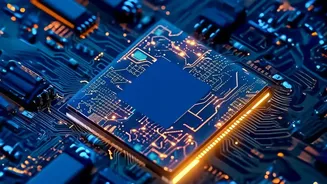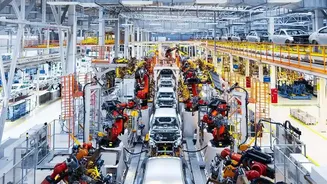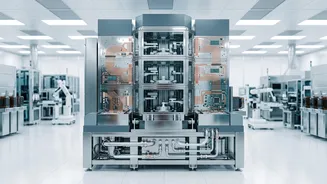










India is making a calculated, multi-billion dollar entry into the global semiconductor race. This ambitious national mission aims to build a resilient local industry, creating thousands of jobs and securing India's place in the future of technology.
Decoding the Landmark Investment
India
has earmarked approximately $23 billion in government incentives to establish a domestic semiconductor ecosystem, a strategic initiative known as the India Semiconductor Mission (ISM). This figure represents a combination of central and state government support aimed at attracting global manufacturers and nurturing local champions. The push, which includes ambitious programs like Semicon 2.0, is designed to de-risk these massive capital investments for private companies. The goal isn't just to build factories; it's to create an entire value chain, from chip design and fabrication to assembly and testing, reducing the nation's heavy reliance on imports for these critical components.
First Movers and Big Names
The policy is already translating into concrete projects. US-based Micron Technology is setting up a major semiconductor assembly and test facility in Sanand, Gujarat, with a total investment of around $2.75 billion. This plant alone is expected to create 5,000 direct jobs and an additional 15,000 jobs in the surrounding community over the next few years. Simultaneously, the Tata Group is making a huge splash with an $11 billion fabrication plant in Dholera, Gujarat, in partnership with Taiwan's Powerchip Semiconductor Manufacturing Corp (PSMC). Construction is progressing rapidly, with trial production of mature-node chips—essential for the automotive, electronics, and telecom sectors—targeted to begin by the end of 2026.
Why This, Why Now?
The global scramble for semiconductor sovereignty has intensified, with nations recognising the strategic vulnerability of depending on a few countries for chips. For India, this push is a geopolitical and economic necessity. The goal is to reduce dependence on foreign supply chains, particularly those linked to China, and position India as a reliable partner for global tech companies looking to diversify their manufacturing footprint. By building domestic capacity, India aims to bolster its national security, create high-quality employment, and capture a larger share of the global electronics market, which is projected to grow significantly.
The Jobs and Skills Revolution
The creation of a semiconductor industry promises a wave of new, highly skilled jobs. Micron's facility in Gujarat is already recruiting Graduate Engineer Technicians for its assembly and test operations. These roles range from equipment engineers and data scientists to design verification and packaging specialists. Recognizing the massive need for specialised talent, the government has launched an ambitious plan under SEMICON 2.0 to train an additional one lakh semiconductor engineers. This initiative has already seen semiconductor design curriculum rolled out to over 355 universities, including those in Tier-2 and Tier-3 cities, to build a workforce ready for the coming boom.
Building the Local Supply Chain
A successful semiconductor industry needs more than just a few large factories; it requires a robust local ecosystem of suppliers. India currently imports over 90% of the specialty chemicals, gases, and high-purity materials needed for chip manufacturing. To address this, companies like Tata Electronics are actively building a network of partners, having already signed agreements with over 450 ecosystem players for its Dholera fab. This includes collaborations for equipment, chemicals, logistics, and construction. Developing this upstream supply chain is critical for longterm selfreliance and will create a ripple effect, fostering a new generation of ancillary industries across the country.
Challenges on the Road Ahead
The path to becoming a semiconductor powerhouse is steep. India faces significant hurdles, including overcoming past project failures, ensuring stable infrastructure like uninterrupted power and ultrapure water, and navigating complex regulations. The country is also playing technological catchup, starting with maturenode chips (like $28nm$ and above) rather than the cuttingedge processors at the heart of the USChina tech race. Building a skilled manufacturing workforce and a local supply chain for critical equipment and materials will take sustained investment and years of dedicated effort to move beyond assembly and towards true design and fabrication leadership.