



Before You Leave: Check Everything
Spontaneity is great, but not when it comes to monsoon travel. Before you even pack your bags, do your homework. Check the weather forecast for your destination and the entire route, paying close attention to warnings about heavy rainfall, flooding, or landslides.
Many regions are more prone to these issues, so an informed decision on your destination is the first step to a safe trip. If you're planning a road trip, give your vehicle a thorough check. This is non-negotiable. Ensure your tyres have adequate tread depth—at least 3mm is recommended for wet roads. Worn tyres significantly increase the risk of skidding and are a primary cause of monsoon accidents. Also, test your brakes, all your lights (headlights, tail-lights, and indicators), and especially your windshield wipers. Replacing a worn-out wiper blade is a small cost for the priceless benefit of clear visibility in a downpour.
Pack for the Weather, Not Just the Destination
Packing correctly is crucial. Opt for synthetic, quick-drying clothes instead of cotton, which stays damp for a long time. A lightweight waterproof jacket and a sturdy umbrella are essential. Your choice of footwear is equally important; leave the flip-flops and stylish heels at home. You need sturdy, waterproof shoes or boots with a good grip to navigate slippery, uneven surfaces and muddy paths. It's also wise to waterproof your luggage. Use a waterproof backpack or ensure your bags have a rain cover. Inside, protect your most valuable items—electronics, documents, and cash—by sealing them in zip-lock bags or waterproof pouches. This simple step can save you from the costly damage that a sudden shower can cause. An emergency kit with basic medicines for common ailments like colds and stomach issues, along with insect repellent, is also a must-have.
On the Road: Safety First
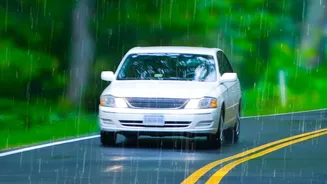
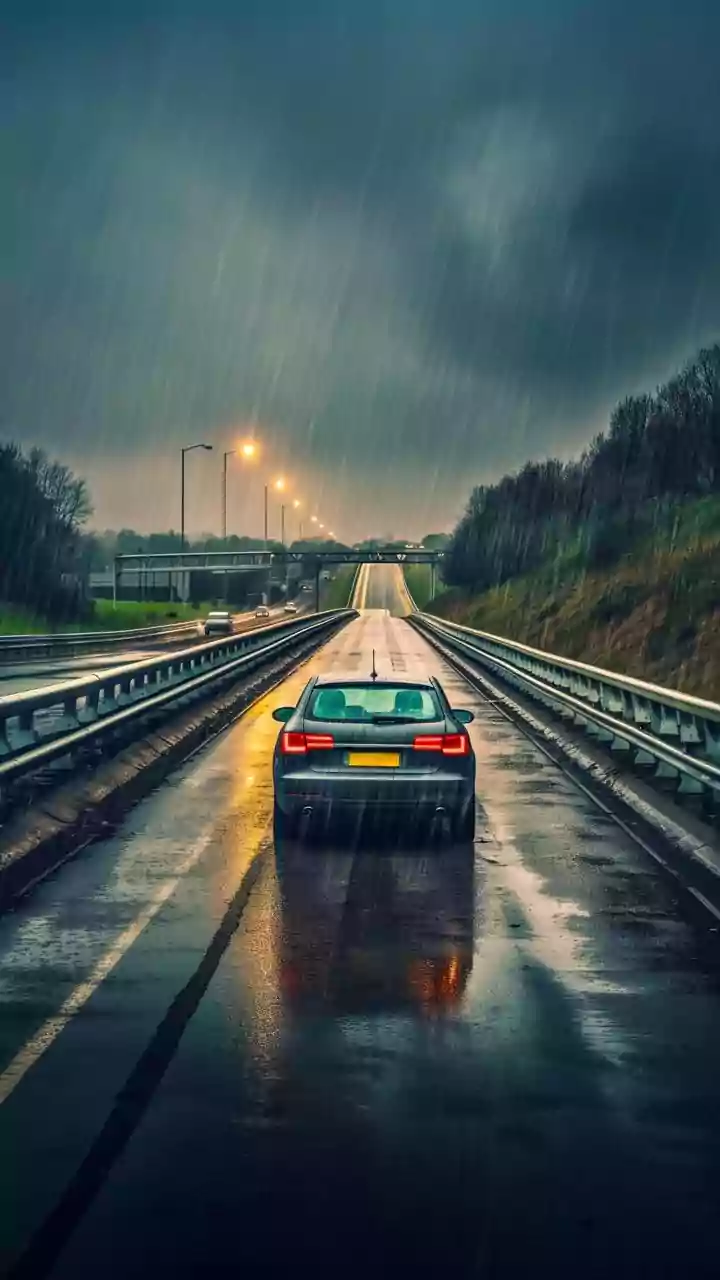
Once you're on your way, adjust your driving habits for the conditions. The most important rule is to slow down. Wet roads dramatically increase braking distances, and what might be a safe speed in the dry is dangerous in the rain. Double the usual following distance between you and the vehicle in front to give yourself more time to react. Always drive with your headlights on, even during the day, so that other drivers can see you more easily in low visibility. One of the biggest dangers is waterlogged roads. If you can't see the road surface or the water appears to be deeper than the centre of your wheels, do not attempt to drive through it. You risk stalling your engine, getting trapped, or encountering hidden potholes. It’s always better to turn around and find an alternative route.
Stay Informed and Flexible
Weather conditions can change rapidly. Use weather apps and traffic monitoring services to stay updated on conditions along your route. While technology is helpful, don't rely on it completely. Power cuts can happen, so carry a fully charged power bank. It's also a good idea to have offline maps downloaded and hard copies of essential documents. Be prepared for delays and cancellations, as flights and trains can be affected by extreme weather. Building buffer days into your itinerary can reduce stress if your plans are disrupted. Finally, be cautious about what you eat and drink. The risk of waterborne diseases increases during the monsoon. Stick to bottled or filtered water and eat at clean, trusted establishments to avoid getting sick.