


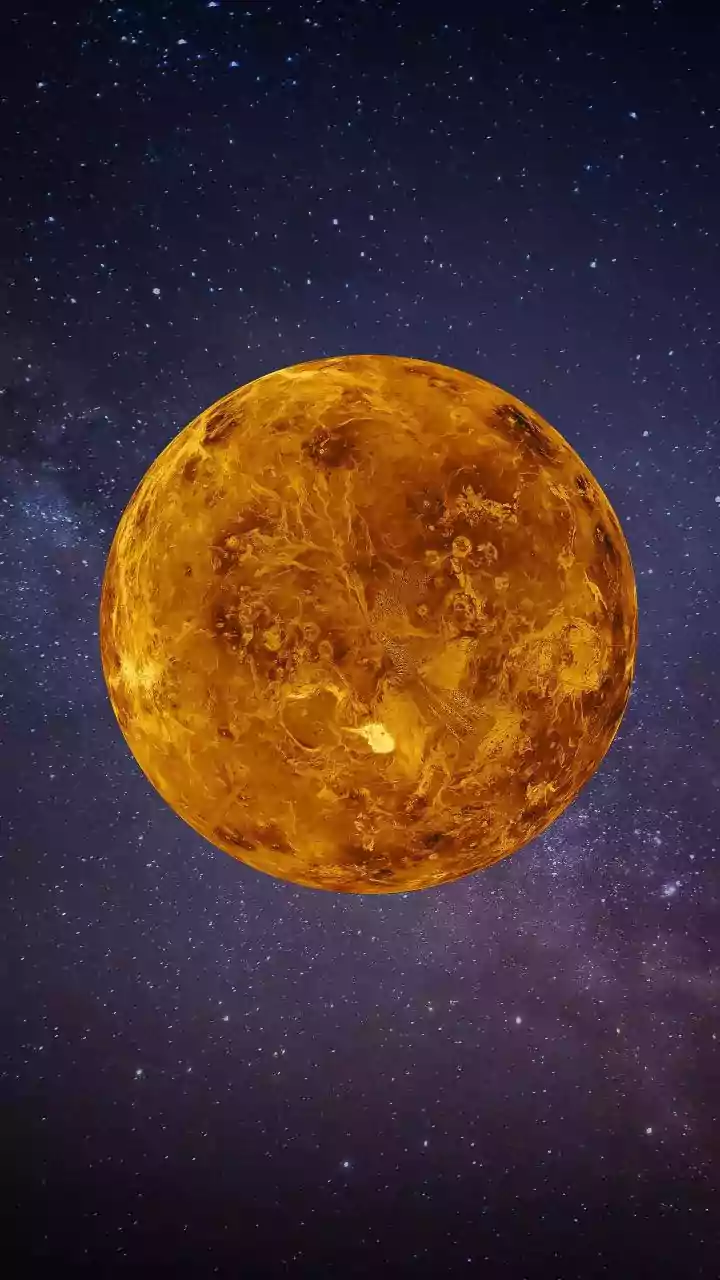
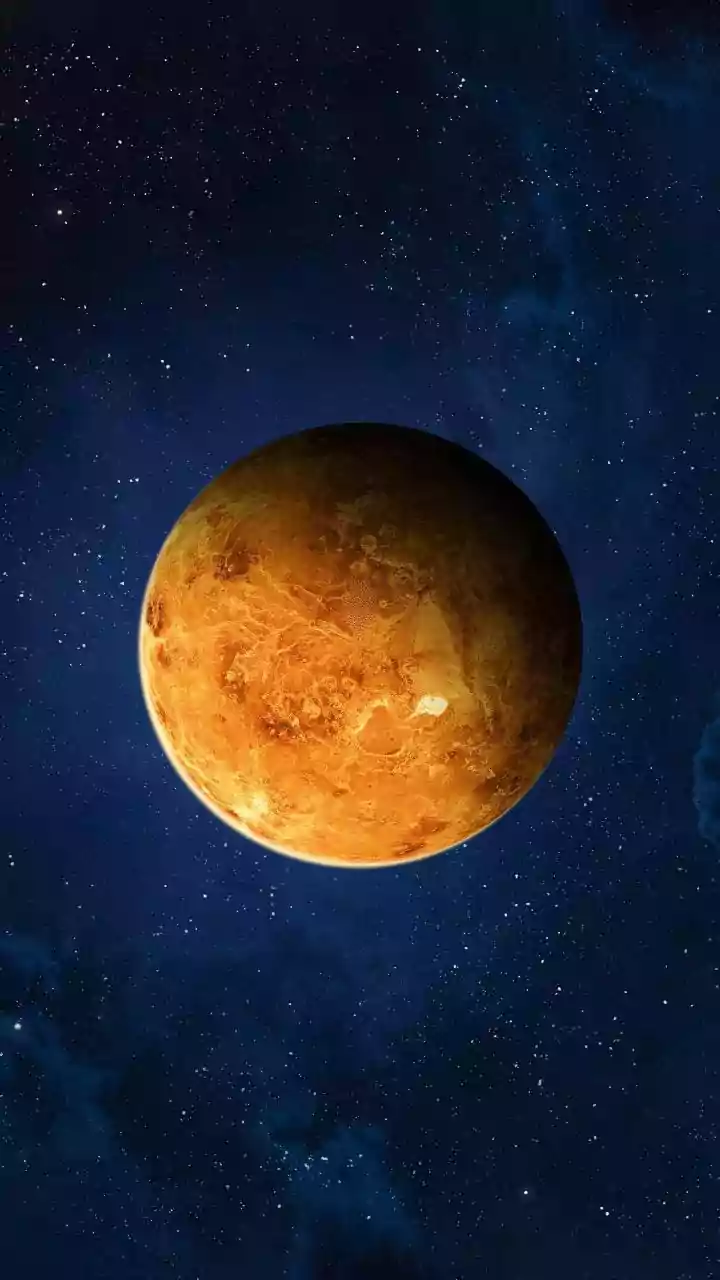





A Day Longer Than A Year?
It sounds like a riddle, but it’s a verified astronomical fact. While Venus takes about 225 Earth days to complete one full orbit around the Sun (its 'year'), it takes a staggering 243 Earth days to complete just one rotation on its axis (its 'sidereal
day'). Imagine celebrating your first birthday before you’ve even lived through a single day-night cycle. On Venus, that’s reality. This isn't just a quirky piece of trivia; it’s a fundamental characteristic that makes Venus one of the strangest planets in our solar system. For decades, scientists struggled to get precise measurements due to the planet’s thick, opaque cloud cover. But recent radar observations, bouncing signals off the surface from Earth, have pinned down these numbers with unprecedented accuracy, confirming this bizarre temporal mismatch.
Understanding Spin vs. Orbit
To grasp this, let's quickly recap our own planet's schedule. Earth’s 'day' is the 24 hours it takes to spin once on its axis. Its 'year' is the 365.25 days it takes to travel around the Sun. Our days are neat, bite-sized fractions of our year. This is the norm for most planets we know. Venus throws that neat relationship out the window. Its journey around the Sun is relatively swift, but its personal spin is agonizingly slow. It’s the slowest-rotating planet in the solar system, so slow that its orbital motion starts to catch up with its rotation. This sluggishness is the key to its strange calendar.
Venus Spins The Wrong Way
Adding another layer of weirdness, Venus spins 'backwards'. While Earth and most other planets in the solar system rotate counter-clockwise on their axis (prograde motion), Venus rotates clockwise (retrograde motion). If you could stand on Venus, you would see the Sun rise in the west and set in the east. Scientists believe this might be the result of a colossal impact with another large celestial body early in its history, which could have knocked it off-kilter and reversed its spin. Another theory suggests that the gravitational pull of the Sun on Venus’s incredibly dense atmosphere, combined with friction between the atmosphere and the core, could have slowed its rotation to a halt and then caused it to start spinning slowly in the opposite direction. Whatever the cause, this backward spin is a crucial piece of the puzzle.
The Culprit: A Crushing Atmosphere
So why is the spin so slow? The leading theory points to Venus’s atmosphere. It is about 92 times more massive than Earth's, creating a surface pressure equivalent to being nearly a kilometre deep in our ocean. This thick, heavy blanket of gas doesn't just sit there; it's a dynamic, super-rotating entity that whips around the planet in just four Earth days. This powerful atmosphere exerts a tremendous amount of friction on the planet’s surface. Think of it like a massive brake, constantly dragging against the rocky globe and slowing its rotation over billions of years. This atmospheric drag is so powerful that it overwhelms the planet's own rotational momentum, leading to the incredibly long Venusian day we observe today. Recent studies have even shown that the exchange of momentum between the solid planet and its thick, churning atmosphere causes the rotation rate to fluctuate slightly.
What Sunrise on Venus Is Like
Because of the planet's slow retrograde spin, the experience of a 'day' for an observer on the surface is different again. While its sidereal day (one full 360-degree rotation) is 243 Earth days, the time from one sunrise to the next—a 'solar day'—is shorter, at about 117 Earth days. This is because as the planet slowly spins backward, it’s also moving forward in its orbit around the Sun. The result is that the Sun appears to cross the sky more quickly than the planet's actual rotation speed would suggest. Still, that means you'd have to endure nearly four months of daylight before seeing a single sunset.