


First, What Is a Solar Storm?
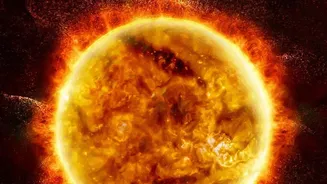
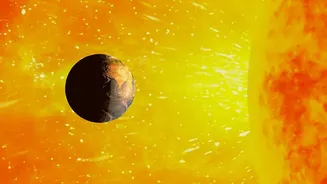
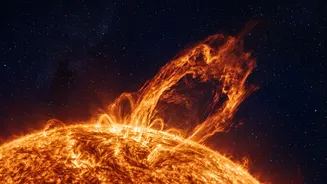
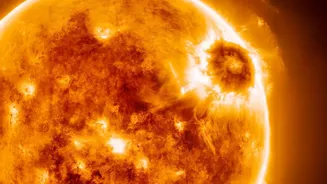
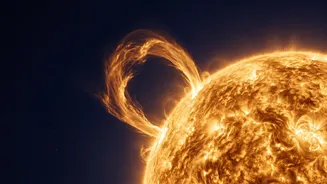
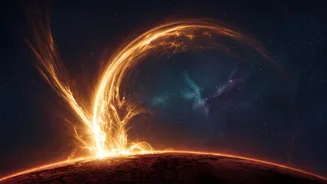
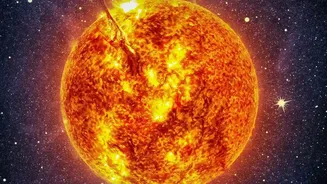
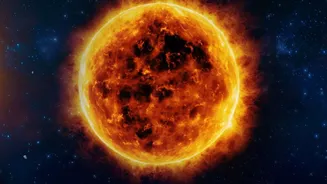
Think of the Sun not as a steady ball of fire, but as a dynamic, boiling star. Occasionally, it releases enormous bursts of energy and magnetised particles into space. These events are known as coronal mass ejections (CMEs). When a CME is aimed at Earth,
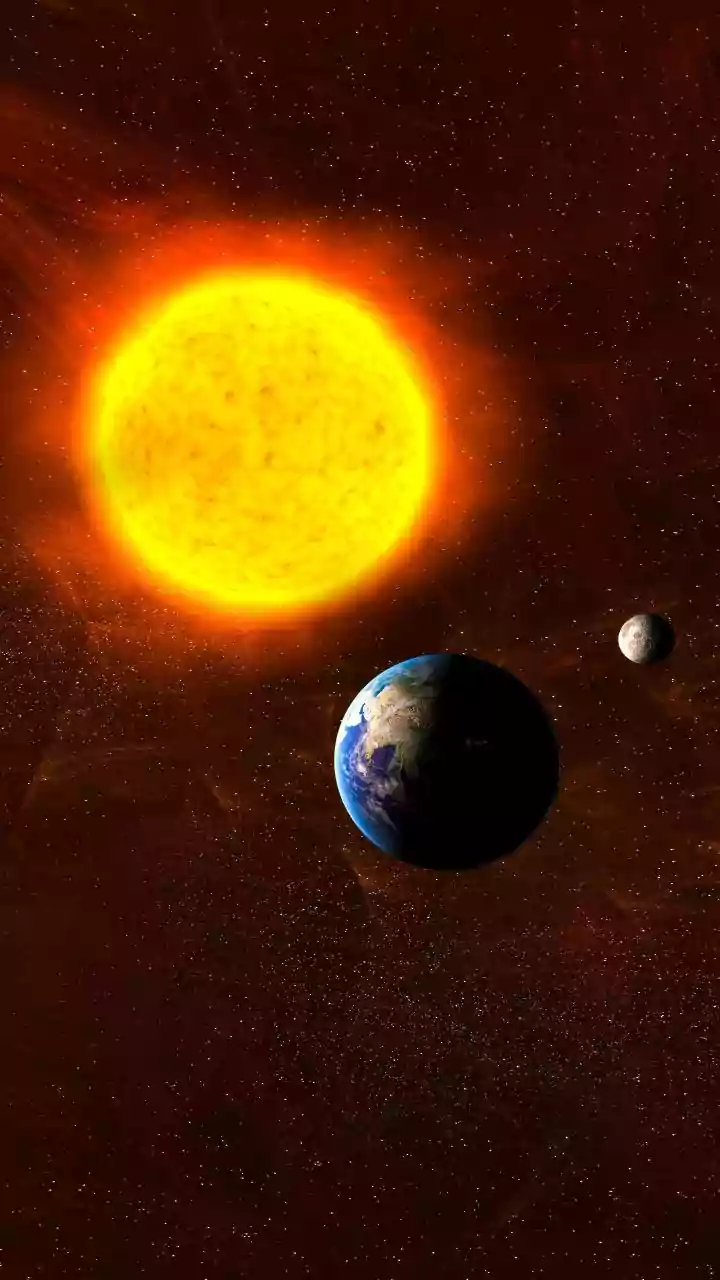
it can interact with our planet's magnetic field, creating what we call a geomagnetic or solar storm. While these storms are responsible for the beautiful auroras seen near the poles, they also carry the potential for widespread disruption. The energy they inject into our magnetic shield can have serious consequences for the technological infrastructure we rely on every day.
The Danger to Our Digital World
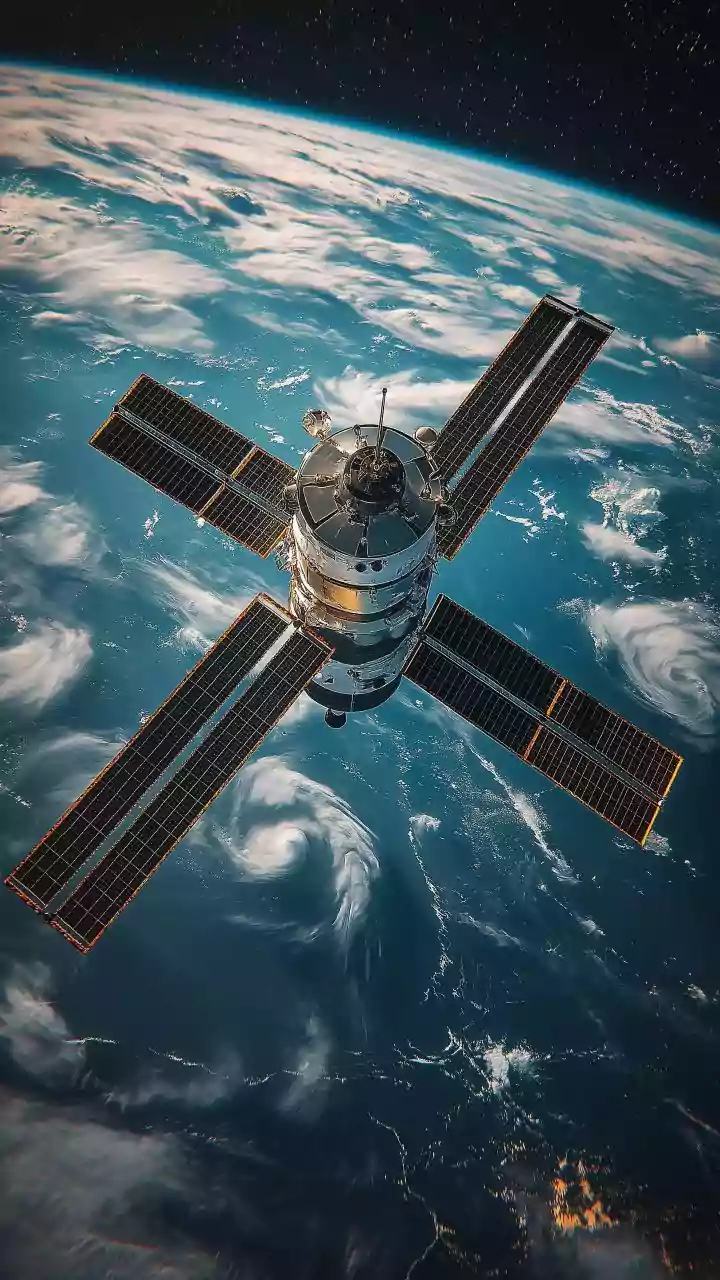
A severe solar storm is more than just a celestial light show; it's a direct threat to modern civilization. The massive electrical currents induced by a powerful storm can overload power grids, causing widespread, long-lasting blackouts. They can damage the sensitive electronics inside satellites, disrupting GPS navigation, weather forecasting, and global communications. In a worst-case scenario, like the historic Carrington Event of 1859, a similar storm today could trigger an "internet apocalypse" by damaging undersea cables and bringing down communication networks for months. With our increasing reliance on digital infrastructure, the stakes have never been higher.
The Challenge of Predicting Space Weather
For decades, predicting the exact timing and impact of a solar storm has been incredibly difficult. Scientists can see a CME leaving the Sun, but knowing precisely where and when it will strike Earth's magnetic field—and how severe its effects will be—has been a major challenge. Previous methods provided some warning, but often lacked the speed and specificity needed for utility operators and satellite controllers to take meaningful protective action. This is where NASA's new approach marks a significant leap forward.
NASA's AI Solution: DAGGER
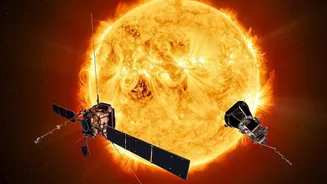
To tackle this problem, NASA has helped develop a new artificial intelligence model called DAGGER (Deep Learning Geomagnetic Perturbation). This system was trained on vast amounts of data from NASA satellites that constantly monitor the solar wind—the stream of particles flowing from the Sun. Using a process called deep learning, DAGGER learned to identify the complex patterns in the solar wind that precede a geomagnetic disturbance on Earth. By analysing real-time satellite data, the AI can now predict where a solar storm will strike anywhere on the planet.
A Crucial 30-Minute Warning
The most significant advantage of the DAGGER model is its speed and precision. It can provide a specific, worldwide prediction with 30 minutes of advance warning before a storm's impact. While 30 minutes may not sound like much, it can be just enough time for power grid operators to re-route power, for satellite controllers to put their spacecraft into a protective safe mode, and for other critical infrastructure to be secured. The model can produce these crucial predictions in less than a second and updates them every minute, offering a dynamic and responsive shield against space weather. This is like getting a tornado siren for solar storms, allowing for preparation rather than just reaction.
Why This Matters for India
The threat of solar storms is a global one, and India's rapidly growing digital economy makes it particularly relevant. From the UPI payment network to the extensive mobile and internet services that millions rely on, much of the country's modern infrastructure is vulnerable. India's own space program, with its growing constellation of communication, navigation, and observation satellites managed by ISRO, is also at risk. An accurate, 30-minute warning could be invaluable for protecting these vital national assets, ensuring that everything from financial transactions to disaster management communications can be safeguarded from the Sun's unpredictable fury.