






What Exactly is the Big Change?
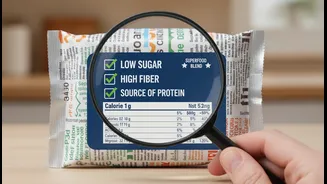
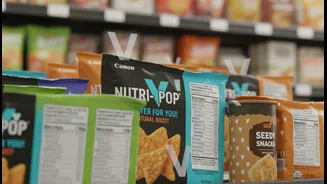
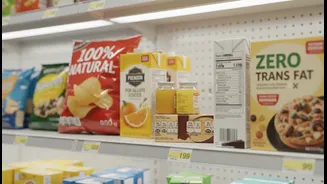
The FSSAI is tightening the rules on what companies can say on their food packages. This crackdown targets misleading claims like "100% Natural" on products that contain artificial ingredients. Recently, the regulator has issued notices to several brands
for such violations. The broader goal is to make labels more honest and transparent. A key part of this reform is the long-debated introduction of Front-of-Pack Labelling (FoPL). The idea is to give consumers a quick, easy-to-understand summary of a product's nutritional value, especially its content of salt, sugar, and fat, right on the front. These are the nutrients often linked to the rising tide of lifestyle diseases like obesity and diabetes in India.
The Key Debate: Stars vs. Warnings
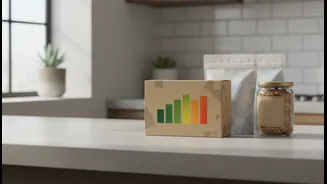
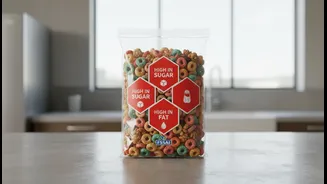
The most significant point of contention is what this new front-of-pack label will look like. There are two main proposals. The first is the Health Star Rating (HSR) system, which rates products on a scale from half a star to five stars. This model, similar to one used in Australia, calculates a score based on both negative ingredients (fat, sugar, salt) and positive ones (fibre, protein, nuts). The second proposal, backed by many public health experts and even the Supreme Court, is a system of direct warning labels. These would be simple, clear symbols—like a black octagon—that instantly flag a product as being 'High in Sugar,' 'High in Salt,' or 'High in Fat'. This approach has seen success in countries like Chile, where it led to a significant drop in the consumption of sugary drinks.
Potential Benefits: Empowering the Consumer
The primary benefit of a clear labelling system is consumer empowerment. With rising rates of non-communicable diseases in India, simple labels can help shoppers make healthier choices at a glance, without needing to decode complex nutritional tables on the back of the pack. Proponents argue this could be a crucial public health intervention. Clear warnings, in particular, have been shown in studies to be more effective than star ratings at helping people identify and avoid unhealthy products. A more transparent system also holds manufacturers accountable, pushing them to reformulate their products to be healthier.
Risks and Criticisms: A Flawed System?
The proposed Health Star Rating system has faced heavy criticism from nutritionists and public health advocates. They argue that stars can be misleading, creating a "health halo" around junk food. For example, a sugary cereal might still get two or three stars because it contains added fibre or nuts, confusing consumers into thinking it's a healthy choice. Critics say the HSR system is favoured by the food industry because it is less likely to deter sales compared to stark warning labels. The long delay in finalizing these regulations, a process that has dragged on for years, has also drawn criticism and accusations of industry influence.
Practical Next Steps for Every Shopper
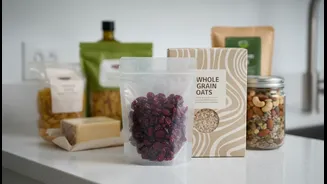
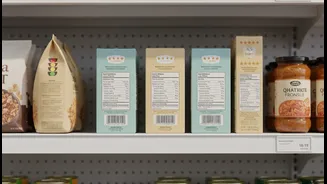
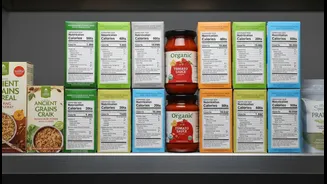
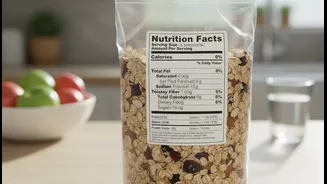
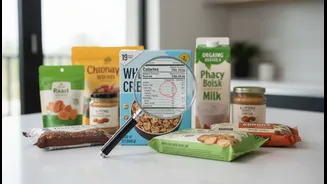
While the final form of the front-of-pack label is still being decided, you can become a smarter shopper right now. First, ignore the flashy claims on the front. Words like 'natural,' 'pure,' or 'real' are often marketing fluff. Turn the package over and read the ingredient list; the shorter and more recognisable, the better. Check the nutritional information panel, paying close attention to the amounts of added sugar, sodium (salt), and saturated fat. Also, look for the FSSAI license number, which shows the product is registered with the regulator. By developing these habits, you'll be well-prepared to use the new labels to your advantage whenever they are finally rolled out.