







Why Fruit Peels?
The outer layer of a fruit is its first line of defense against environmental stressors like UV rays and microbes. Because of this, peels are often packed with a higher concentration of antioxidants, vitamins, and beneficial plant compounds than the flesh
inside. For winter skin, which is prone to dehydration and dullness, these nutrient-dense peels offer a natural way to exfoliate, hydrate, and brighten without harsh chemicals. This approach is also part of a growing trend in 'upcycled beauty', which finds a second life for materials, like peels and seeds, that are typically discarded during food production.
Orange Peels for Brightness
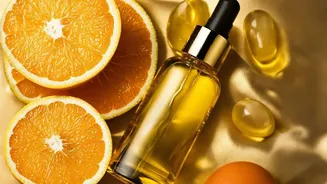
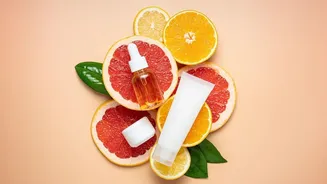
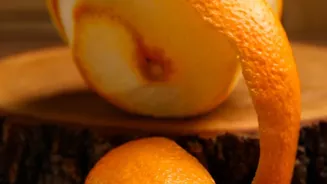
When your skin feels lacklustre from the lack of sunshine, orange peel can be a potent ally. Rich in Vitamin C and natural acids, orange peel is known to help boost collagen production, fade dark spots, and act as a gentle exfoliant to slough off dead skin cells. This helps reveal a fresher, more radiant complexion. For a simple at-home treatment, you can use dried orange peel powder mixed with honey or yoghurt to create a nourishing face mask. While the vitamin C in dried powder may not be as stable as in a lab-formulated serum, the peel still offers antioxidant flavonoids and mild exfoliation. Just be sure to use finely ground powder to avoid irritation.
Pomegranate Peels for Protection
Often considered inedible, the tough peel of a pomegranate is a treasure trove of antioxidants like polyphenols and ellagic acid. These compounds are excellent at fighting damage from environmental stressors and have anti-inflammatory properties that can soothe irritated skin. Studies suggest pomegranate peel extract can help promote collagen synthesis, which is key to maintaining skin elasticity and slowing down signs of ageing like fine lines. Its antimicrobial properties may also help in managing breakouts. Pomegranate peel powder can be mixed into a paste with water or yoghurt for a detoxifying face mask that calms and protects.
Banana Peels for Hydration
Don't toss that banana peel just yet. The inner side of the peel is loaded with potassium and vitamins A, B6, and B12, which can help nourish and hydrate dry winter skin. The natural compounds in banana peels, including polysaccharides and antioxidants, can provide a moisturizing and soothing effect, making them especially useful for calming minor irritation and replenishing dry patches. Simply rubbing the inside of a fresh peel gently on your face for a few minutes and letting the residue sit before rinsing can leave your skin feeling softer and more supple. While not a replacement for your daily moisturizer, it’s a quick and easy trick for an extra boost of hydration.
Apple Peels for Renewal
There's truth to the idea that an apple's goodness is in its skin. Apple peels contain vitamins A and C, along with powerful antioxidants like quercetin, which helps fight inflammation. These nutrients support skin renewal and help maintain elasticity, combating the signs of ageing that can feel more prominent on dry winter skin. Research has shown that compounds in apple peel have potent antioxidant and cell-protecting capabilities. While you can't exactly rub an apple peel on your face like a banana peel, many skincare brands are now harnessing apple extracts in their formulas, giving you the benefits without the DIY hassle.