

The Lost Art of the Pickle Jar
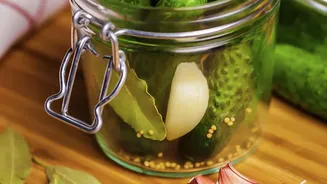
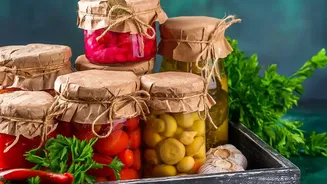
In many urban Indian households, the pickle jar on the dining table used to be a direct link to a grandmother's kitchen. It was a vessel of preserved love, made with seasonal produce and secret family spice blends. Today, fast-paced lifestyles, smaller
apartments with no sun-drenched courtyards, and the geographic disconnect from older generations have turned this tradition into a dying art. The knowledge, patience, and time required for traditional pickling are luxuries few can afford. This created a void: a deep-seated craving for authentic, pure, and familiar tastes that mass-produced supermarket pickles, often loaded with synthetic preservatives, simply cannot satisfy.
The Rise of 'Achaar-preneurs'
Stepping into this gap is a wave of artisanal condiment brands, often founded by individuals driven by a passion to preserve their own family heritage. Take, for instance, brands like 'JhaJi Store' from Bihar, which brought the unique flavours of Mithilanchal to a national audience after an appearance on Shark Tank India. Started by a sister-in-law duo, they transformed decades of home pickling into a thriving business that now employs dozens of local women. Similarly, other ventures like 'Aamra' and 'Farmdidi' are built on the foundation of empowering rural women and using heirloom recipes. These 'achaar-preneurs' aren't just selling a product; they are selling a story of authenticity, purity, and a connection to a specific region and its culinary soul.
Beyond Mango: A World of Flavour
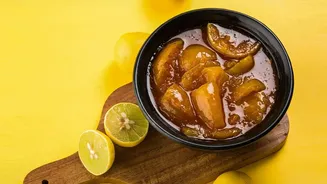
What makes this trend so exciting is the sheer diversity of pickles being rediscovered. These brands are moving far beyond the ubiquitous mango and lime varieties. Now, urban foodies can explore the pungent, fiery kick of a Bhut Jolokia (ghost pepper) pickle from the Northeast, the sweet and sour complexity of a Gujarati Gor-Keri made with sun-dried mango and jaggery, or the uniquely savoury notes of a Goan prawn or mutton pickle. We're seeing jars of brinjal pickle, popular in Andhra cuisine, and crunchy, spicy carrot pickles that are a North Indian winter staple. These are flavours that were once hyper-local, rarely tasted outside their region of origin. Now, they are just a click away, offering a delicious education in India's vast culinary map.
The Direct-to-Consumer Secret Sauce
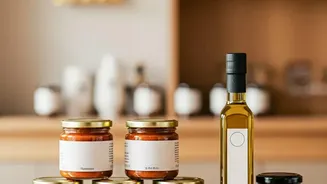
The magic behind this nationwide distribution lies in a modern business strategy: the direct-to-consumer (D2C) model. By leveraging social media platforms like Instagram and setting up their own e-commerce websites, these brands can speak directly to their audience. They can share the story behind each pickle, post videos of the traditional making-process, and highlight the freshness of their ingredients. This narrative-driven approach, combined with premium glass-jar packaging and a promise of 'no artificial preservatives', builds trust and justifies a higher price point. It transforms a simple condiment into a gourmet product, a small luxury that delivers a powerful dose of nostalgia and authentic flavour right to the customer's doorstep.