



The Green Banana: A Gut-Friendly Powerhouse
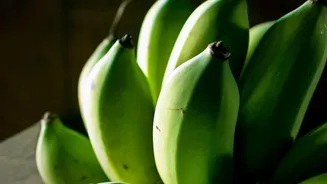
A green, unripe banana is firm, slightly waxy, and less sweet for a reason: its carbohydrates are mostly in the form of resistant starch. This type of starch 'resists' digestion in the small intestine, travelling to the colon where it acts as a prebiotic,
feeding the beneficial bacteria in your gut. This process can support digestive health and promote a feeling of fullness, which may aid in weight management. Because it is not easily broken down into sugar, green bananas have a low glycemic index (GI) of around 30-42. This means they cause a slower, more gradual rise in blood sugar, making them an excellent choice for individuals managing their glucose levels. However, for some, the high resistant starch content can cause gas or bloating as the gut bacteria ferment it.
The Yellow Banana: The Sweet Spot of Ripening
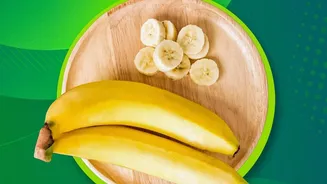
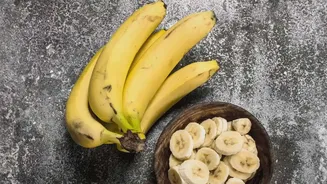
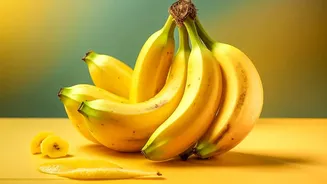
As a banana ripens to a perfect yellow, a significant chemical change occurs. Enzymes break down the complex resistant starch into simple sugars like sucrose, fructose, and glucose. This is why a yellow banana is noticeably sweeter, softer, and easier to digest. While the sugar content is higher, a ripe banana still has a relatively low to medium GI, typically ranging from about 47 to 57, making it a good source of quick, natural energy that won't necessarily cause a dramatic sugar crash for most people. This stage offers a balanced nutritional profile, providing essential nutrients like potassium, vitamin B6, and vitamin C. The fibre content, which includes pectin, helps moderate the absorption of sugar.
The Spotted Banana: Peak Sweetness and Antioxidants
Those brown spots are not a sign of spoilage but an indicator that the banana has reached its final stage of ripening. At this point, nearly all the starch has converted into simple sugars, making the fruit incredibly sweet and soft. This makes brown-spotted bananas an ideal ingredient for baking, as their high sugar content can replace processed sweeteners in recipes. While their sugar content is at its highest, so are their antioxidant levels. The browning process is linked to an increase in bioactive compounds that help protect the body's cells from damage. Due to the high concentration of easily digestible sugars, a very ripe banana has a higher glycemic index, around 60 or more, making it perfect for a rapid energy boost, such as before or after a workout.
Starch vs. Sugar: What’s the Difference?
The core of the banana's transformation lies in the conversion of starch to sugar. Resistant starch, dominant in green bananas, is a complex carbohydrate that functions like dietary fibre. Your body doesn't digest it easily, so it doesn't raise blood sugar quickly and becomes food for your gut microbiome. As the fruit ripens, enzymes triggered by ethylene gas break these long starch chains down into simple sugars: glucose, fructose, and sucrose. These are absorbed directly into the bloodstream, providing a quick source of energy but also causing a faster rise in blood sugar. The total calorie count of the banana remains relatively consistent throughout this process; it's the type of carbohydrate and how your body uses it that changes.
Which Banana Is Right for You?
There is no single 'best' banana; the ideal choice depends on your personal health needs and preferences. If you are managing your blood sugar or looking to improve your gut health with prebiotics, a firm green banana is your best bet. They keep you feeling full for longer and provide a steady release of energy. If you want a classic, all-purpose snack with a balance of sweetness and nutrients, the perfectly yellow banana is an excellent choice. It offers readily available energy without being overly sugary. For those needing a quick pre-workout fuel-up, or for bakers looking for a natural sweetener, the brown-spotted banana is ideal. Its high sugar content provides a rapid energy source, and its soft texture blends perfectly into smoothies and baked goods.