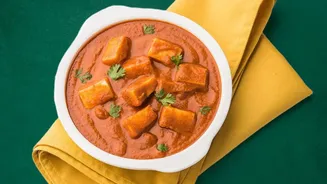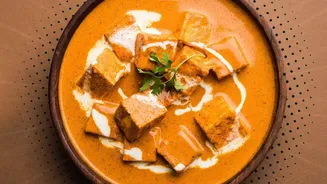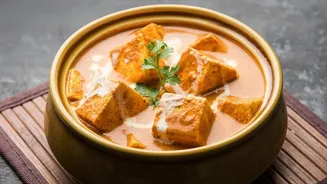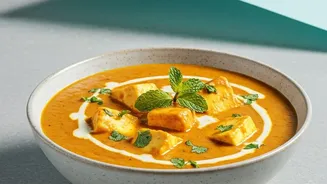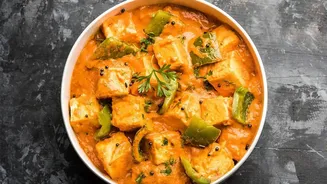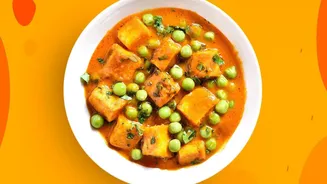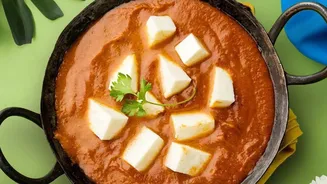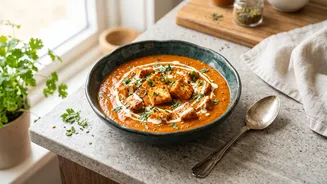


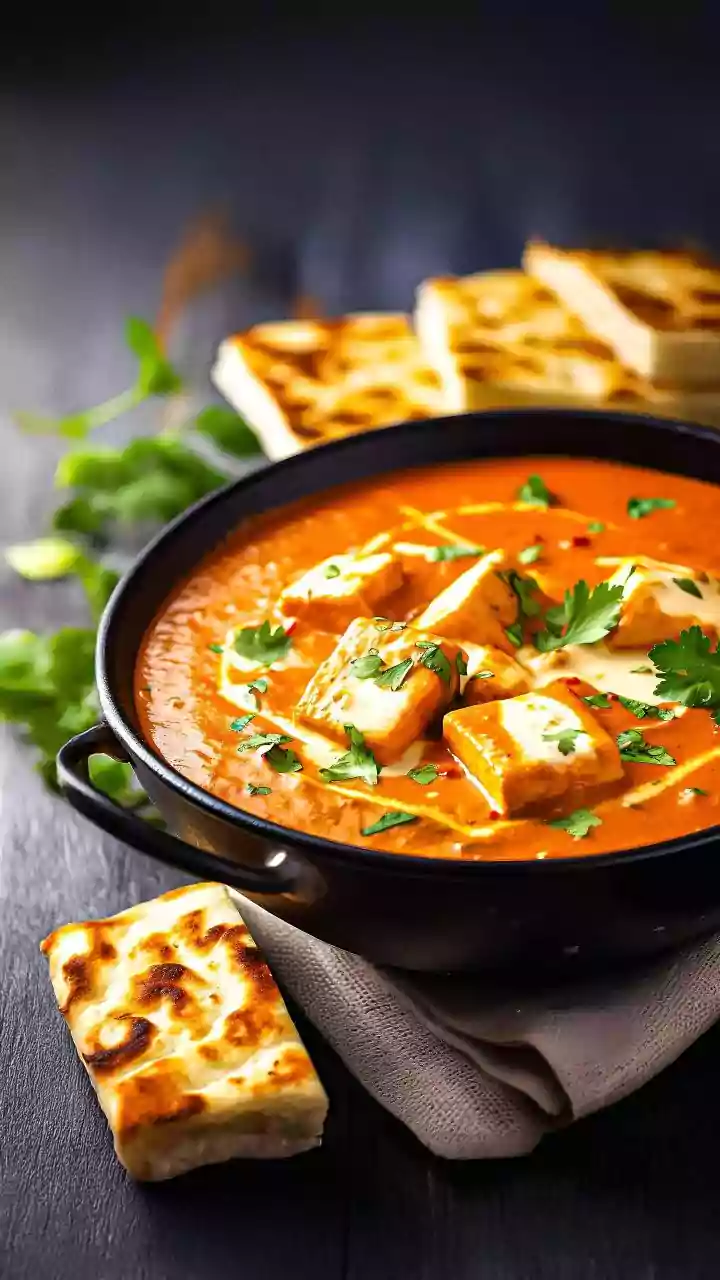


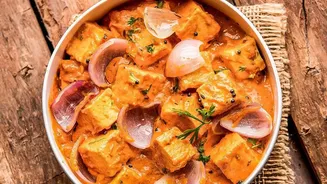
Craving that smoky, creamy paneer tikka masala from your favourite restaurant? You can create this iconic dish in your own kitchen with everyday utensils and simple, fresh ingredients. Here’s how to master it from scratch.
The Magic of the Marinade
The secret to mouth-watering
paneer tikka lies in the marinade. This is where the flavour journey begins. Traditionally, this involves hung curd, which is just thick yogurt with the whey drained out. You can make it at home by hanging regular curd in a muslin cloth for an hour, or simply use a thick, Greek-style yogurt. In a bowl, combine the thick yogurt with essential spices: ginger-garlic paste, turmeric powder, Kashmiri red chilli powder for colour without intense heat, garam masala, cumin powder, and coriander powder. A pinch of salt and a squeeze of fresh lemon juice will balance the flavours. For an authentic 'dhaba' taste, some recipes recommend adding a teaspoon of mustard oil. Mix these ingredients into a smooth, thick paste, ensuring there are no lumps.
Prepping the Paneer and Veggies
For the best texture, choose fresh, firm paneer. If your store-bought paneer is hard, you can soak the block in warm water for 15-20 minutes to soften it before cubing. Cut the paneer into one-inch cubes. Along with the paneer, classic additions include chunks of bell peppers (capsicum) and onions, cut to a similar size. Add the paneer cubes, onion petals, and capsicum chunks to the prepared marinade. Use your hands to gently coat everything evenly, making sure not to break the delicate paneer cubes. Cover the bowl and let it marinate for at least one hour in the refrigerator. For even deeper flavour infusion, you can marinate it for several hours or even overnight.
Cooking the Tikka Without a Tandoor
You don’t need a traditional clay tandoor to achieve that signature char. A simple non-stick pan or a cast-iron skillet will work perfectly. Heat a tablespoon of oil or butter in the pan over medium-high heat. You can thread the marinated paneer and vegetables onto wooden or metal skewers, or simply place them directly in the pan. Don't overcrowd the pan; cook in batches if necessary. Cook for a few minutes on each side until the paneer is golden brown and slightly charred at the edges. This high-heat cooking is crucial for flavour. Alternatively, you can arrange the skewers on a baking tray and bake them in a preheated oven at a high temperature (around 220°C) for 10-15 minutes, or until the edges begin to char.
Crafting the Silky Masala Gravy
While the tikka is the star, the masala gravy is its essential counterpart. Start by making a base paste. Heat oil in a large kadai or pan and sauté chopped onions until they turn soft and translucent. Then, add ginger-garlic paste, followed by chopped ripe tomatoes. Many recipes also add a handful of cashew nuts at this stage to provide a rich, creamy texture without having to use a lot of cream. Cook until the tomatoes are mushy. Let this mixture cool down completely, then blend it into a smooth, fine paste. Return the paste to the pan, and now it's time to add the ground spices: turmeric, red chilli powder, coriander powder, and garam masala. Cook this masala base on low heat until it becomes fragrant and you see oil separating from the sides.
Bringing It All Together
Once your gravy base is aromatic, adjust the consistency by adding a cup of water, mixing well to form a smooth sauce. Bring it to a gentle simmer. Now, carefully add the cooked paneer tikka pieces to the gravy. Stir gently to coat the tikka without breaking it. Let it simmer for another 5–8 minutes, allowing the smoky flavours of the paneer to meld with the creamy gravy. For a final touch of richness, stir in a tablespoon or two of fresh cream and crushed kasoori methi (dried fenugreek leaves). The kasoori methi, crushed between your palms before adding, releases an unmistakable aroma that completes the dish. Let it simmer for one last minute before turning off the heat.