




The Core Allure: Why Go Barefoot?
The fundamental argument for barefoot hiking is that it allows our feet to function as they were designed. Proponents claim that traditional hiking boots, with their thick soles and rigid support, act like a cast, weakening the intricate network of muscles,
tendons, and ligaments in our feet. The main claimed benefits revolve around three key ideas: strengthening your feet, improving your gait, and enhancing your connection to the environment. By removing the barrier between foot and ground, hikers report feeling more agile and in tune with the terrain, with every nerve ending providing rich feedback about the world underfoot.
Claim: Stronger Feet and Better Balance
One of the most frequent claims is that going shoeless strengthens foot muscles. The logic is that without artificial arch support and cushioning, the foot's natural architecture must work harder, leading to stronger muscles over time. This is closely linked to the concept of proprioception, often called our 'sixth sense'. Proprioception is your body's ability to sense its own position and movement. With over 200,000 nerve endings, your soles are designed to send detailed information to your brain about the texture and angle of the ground, allowing for instant, subtle adjustments in balance. Proponents argue that thick-soled shoes dull this vital communication, while barefoot hiking sharpens it, potentially leading to better stability and fewer missteps on uneven trails.
Risk: The Unavoidable Dangers
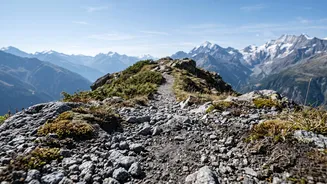
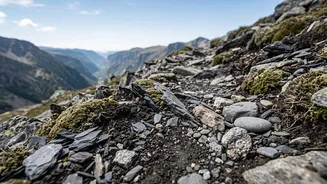
The risks of barefoot hiking are often more immediately obvious than the benefits. The most apparent danger is injury from the terrain itself. Sharp rocks, thorns, broken glass, and even hot pavement can cause cuts, puncture wounds, and burns. Beyond visible threats, there's the risk of infection from bacteria or fungi entering through any small abrasion. Another significant concern is the biomechanical stress on feet that are unaccustomed to being unsupported. Walking on hard or uneven surfaces without cushioning can lead to problems like stress fractures or aggravate conditions like plantar fasciitis, especially if you transition too quickly without allowing your feet to adapt.
How to Start Safely, If You Choose To
If the potential benefits appeal to you, the key to a positive experience is a slow, gradual transition. Experts advise against suddenly attempting a long hike on rough terrain. Instead, start by walking barefoot for short periods on safe, soft surfaces like a grassy park or a sandy beach. Pay close attention to your technique; try to land on the ball of your foot rather than a hard heel strike. Always watch the path several paces ahead to plot a safe course. Many people find a middle ground by using minimalist or 'barefoot' shoes. These have a thin, flexible sole and a wide toe box, offering protection from cuts while still allowing for enhanced ground-feel and natural foot movement. They can serve as an excellent transitional tool as you build foot strength and callous.
The Verdict: Is It Right for You?
There is no universal 'yes' or 'no' answer to whether barefoot hiking is a good idea. The evidence suggests that with a slow, careful approach, it can indeed help strengthen feet and improve proprioception. However, the risks of injury and infection are very real and should not be underestimated. It requires a significant adaptation period and a heightened awareness of your surroundings. For some, especially those with pre-existing conditions like diabetes where foot injuries can be particularly dangerous, the risks will likely outweigh the rewards. For others, it becomes a deeply rewarding practice that enhances their connection with nature.